
Enhancing Interiors with Wood Slats: A Complete Guide
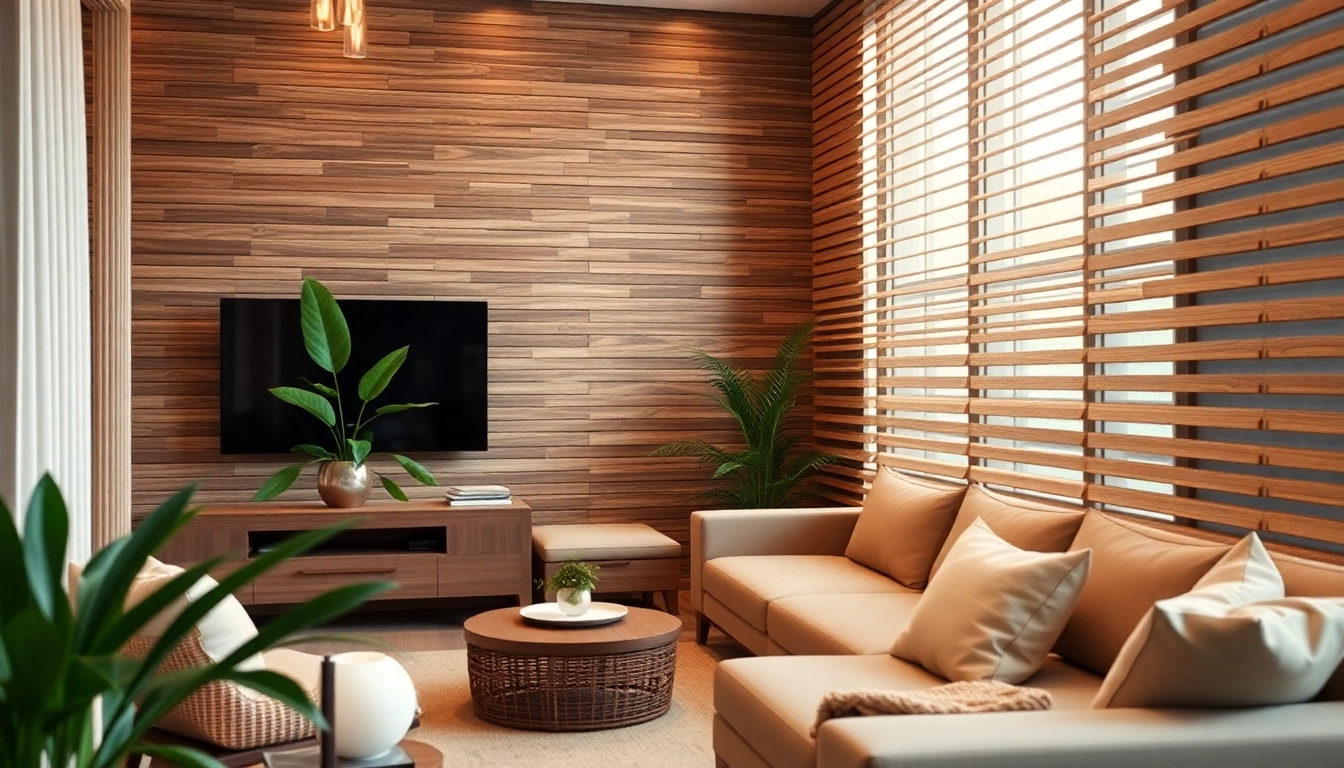
Wood slats are a versatile and stylish option for enhancing the aesthetic and functionality of any space. They can be employed in a variety of applications, from home decor to commercial design. Their natural beauty, durability, and ease of installation make them a favored choice among designers and homeowners alike. Whether you’re looking to create a modern accent wall or enhance sound insulation, wood slats can meet your needs effectively. In this comprehensive guide, we’ll explore the definition, types, uses, benefits, and installation techniques related to wood slats, along with design ideas, maintenance tips, and the best practices for choosing quality slats for your projects.
1. Understanding Wood Slats
1.1 Definition and Types of Wood Slats
Wood slats are thin, elongated pieces of wood that are typically used in various construction and design applications. They can be cut from various types of wood and come in different thicknesses and widths. The most common types include:
- Solid Wood Slats: These are made from solid pieces of wood, providing strength and durability.
- Plywood Slats: Constructed from layers of wood veneer, plywood slats offer stability and resistance to warping.
- MDF Slats: Medium Density Fiberboard slats are cost-effective and can be finished to mimic wood.
- Veneered Slats: These have a thin layer of real wood on top of man-made materials, providing a wood-like appearance at a lower cost.
1.2 Popular Uses for Wood Slats
Wood slats are utilized in various construction and design projects. Some of the most popular uses include:
- Wall Paneling: Enhancing interior spaces with decorative wall treatments.
- Furniture Design: Incorporating into pieces such as shelving, tables, and beds for added aesthetics and functionality.
- Acoustic Panels: Designed to improve sound quality in rooms by reducing noise reflection.
- Fences and Decking: Offering privacy while maintaining an open, airy feeling outdoors.
1.3 Benefits of Using Wood Slats in Design
There are numerous advantages to incorporating wood slats into your design projects:
- Aesthetic Appeal: The natural grain and color of wood add warmth and character to any space.
- Versatility: Suitable for various styles, from rustic to contemporary.
- Sound Absorption: Wood slats can effectively reduce noise and echoing in a room.
- Easy Installation: Many wood slat products come with intuitive installation systems.
2. Choosing the Right Wood for Your Slats
2.1 Different Wood Varieties
Selecting the right type of wood for your slats depends on both the aesthetic and functional needs of your project. Here are some common types:
- Pine: Known for its affordability and ease of use. It’s a softwood, making it easy to work with but less durable.
- Oak: Offers strength and a beautiful grain. Ideal for high-traffic areas and furniture.
- Maple: Dense and durable, maple has a fine texture that looks great in both natural and stained finishes.
- Bamboo: A sustainable option that provides strength and flexibility, perfect for eco-friendly designs.
2.2 Comparing Costs of Wood Slats
The cost of wood slats varies widely based on the type of wood and its sourcing. Solid hardwoods tend to be more expensive, while softwoods and manufactured options like MDF are budget-friendly. Always consider long-term value over initial cost, especially when durability is a concern.
2.3 Sustainable Sourcing Options for Wood Slats
Choosing sustainably sourced wood is essential for reducing environmental impact. Look for certifications like FSC (Forest Stewardship Council) that ensure responsible forestry practices. Additionally, consider reclaimed wood for an eco-friendly option that also offers unique character.
3. Installation Techniques for Wood Slats
3.1 Preparing Your Space
Before installing wood slats, proper surface preparation is crucial. Ensure the walls are clean and free from moisture. Measure the area accurately and plan your design layout to visualize how the slats will be arranged.
3.2 DIY Installation vs. Professional Help
While installing wood slats can be a DIY project, assessing your skill level and the complexity of the installation is essential. For intricate designs or large areas, enlisting professionals may save time and ensure a polished look.
3.3 Tools and Materials Needed
For a successful installation, you’ll need the following tools and materials:
- Measuring tape
- Level
- Stud finder
- Power drill
- Adhesive (if required)
- Wood slats of your choice
4. Design Ideas Using Wood Slats
4.1 Creating Accent Walls with Wood Slats
Accent walls are a popular way to add visual interest to a room. Consider using a mix of wood slat widths or stains for added texture. Backlighting can enhance the effect, creating a dramatic ambiance.
4.2 Incorporating Wood Slats in Furniture Design
Wood slats can redefine furniture design; use them for creative shelving units, bed frames, or as decorative panels in cabinetry. Their natural attributes lend warmth to modern minimalistic designs.
4.3 Innovative Applications in Commercial Spaces
In commercial settings, wood slats can create inviting atmospheres while ensuring noise reduction. Consider using them in cafes, offices, or retail spaces to enhance the customer experience and improve soundscape.
5. Maintenance and Care for Wood Slats
5.1 Cleaning Tips for Wood Slats
To maintain the quality of wood slats, regular cleaning is necessary. Use a soft brush or a microfiber cloth to remove dust. Avoid harsh chemicals that can damage the finish; a mild soap solution is usually sufficient for deeper cleaning.
5.2 Protecting Wood from Environmental Damage
Wood is susceptible to moisture and direct sunlight. Use sealants or finishes that offer protection against humidity spots or UV damage, especially for outdoor applications.
5.3 Restoring and Refinishing Wooden Slats
Over time, wood slats may require refinishing to restore their luster. Sanding the surface and applying a new coat of stain or sealant can significantly improve their appearance. Ensure proper ventilation during this process.
Frequently Asked Questions
1. What are wood slats used for?
Wood slats can be used in various applications, including wall paneling, furniture design, acoustic panels, and decorative fencing.
2. How do I install wood slats?
Installation involves measuring your space, preparing the surface, and then attaching the slats using screws or adhesive, depending on the design.
3. What types of wood are best for slats?
Common choices include pine for affordability, oak for durability, and bamboo for eco-friendliness. Your choice depends on the desired look and functional requirements.
4. Can I use wood slats outdoors?
Yes, wood slats can be used outdoors, but ensure they are treated or sealed for weather resistance to prolong their lifespan.
5. How do I maintain wood slats?
Clean wood slats regularly with a soft cloth, protect them from moisture or direct sunlight, and refinish surfaces as needed to maintain their appearance and durability.