Understanding Image to Prompt AI Technology
The advent of artificial intelligence has transformed the creative landscape, enabling artists, designers, and professionals across various domains to harness the power of technology for enhanced creativity and productivity. One of the most intriguing developments within this space is the image to prompt ai technology, which allows users to convert visual content into detailed text prompts. This technology not only simplifies the creative process but also generates a deeper understanding of how AI interprets visual information, making it an invaluable tool for creators seeking to push their artistic boundaries.
What is an Image to Prompt Generator?
An image to prompt generator is an AI tool designed to analyze images and convert them into structured, natural language prompts. The tool examines various visual elements such as subjects, styles, lighting, composition, and mood, and then generates a well-crafted text description that can be utilized by AI image generators. These descriptions serve as input for various platforms, including popular AI models like Midjourney, DALL·E, Stable Diffusion, and Gemini, enabling users to create unique and compelling visuals based on textual guidance.
How Does Image to Prompt AI Work?
The functionality of an image to prompt AI generator relies heavily on sophisticated technologies like computer vision and large language models. When an image is uploaded, the AI system breaks down its components, identifying key features and attributes. For instance, it might recognize the foreground subject, the background environment, and the overall composition. After analyzing these elements, the tool converts them into a textual format that accurately represents the image’s content. This process facilitates easier interpretation by AI image generators, allowing for higher fidelity recreations or modifications based on user-defined text prompts.
Benefits of Using AI Image Prompt Generators
- Enhanced Creativity: By transforming images into descriptive prompts, users can explore a myriad of creative directions that may not have been initially considered.
- Time Efficiency: Automated prompt generation saves significant time, allowing creators to focus more on the artistic process rather than struggling with language.
- Accessibility: AI tools democratize access to high-quality prompt crafting, making it feasible for individuals without extensive experience in creative writing or image generation.
- Consistency: AI prompts maintain a level of consistency in style, tone, and descriptive accuracy, which is vital for ongoing projects or series.
Utilizing Image to Prompt AI for Enhanced Creativity
The integration of image to prompt AI technology into creative workflows can significantly elevate the quality of output and streamline the creative process. By understanding how to maximize this tool, users can unlock a new level of artistic expression.
Choosing the Right AI Model for Your Prompts
Selecting the appropriate AI model is crucial for achieving the desired results. Different models have unique capabilities and styles, which can influence the final output. For example, models like Midjourney excel in creating highly stylized visuals, while Stable Diffusion may be better for photorealistic interpretations. Users should familiarize themselves with the strengths and weaknesses of each model to make informed decisions that align with their artistic vision.
Crafting High-Quality Prompts from Images
The quality of prompts generated from images can vary based on the clarity and complexity of the original image. To ensure optimal results, users should aim to upload images that are well-composed and rich in detail. Additionally, refining the output prompts by adjusting the language or context can further enhance the effectiveness when feeding into AI image generators.
Exploring Different Prompt Styles and Formats
Image to prompt AI tools can produce various types of prompts, including general descriptive prompts, structured formats, and model-specific prompts. By experimenting with different styles, users can determine what resonates best with their creative goals. For instance, structured prompts might be better suited for technical illustrations, while narrative-driven prompts could enhance storytelling-focused projects.
Real-World Applications of Image to Prompt AI
The versatility of image to prompt AI technology extends across a multitude of industries, proving beneficial for artists, businesses, and educators alike. Understanding these applications can inspire users to harness this technology in their unique contexts.
Case Studies: Successful Artists Using AI Prompts
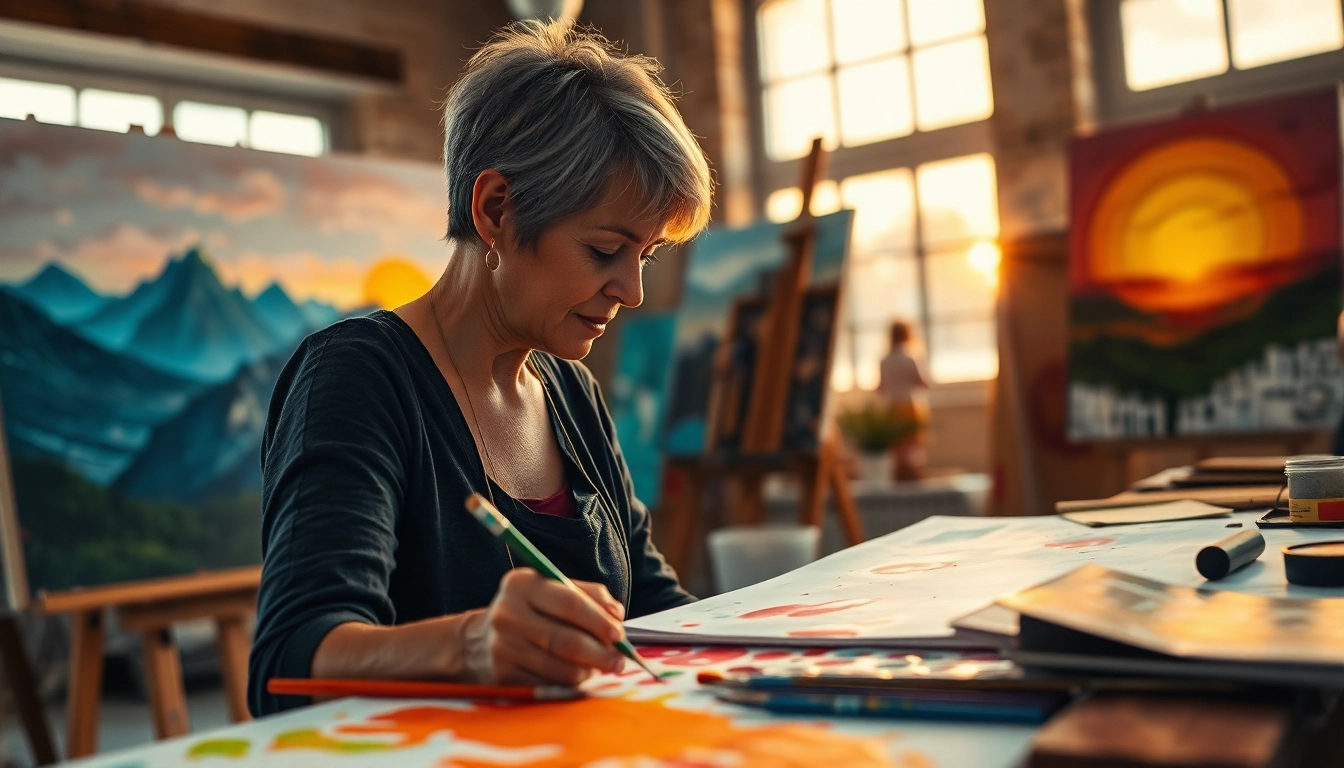
Numerous artists have successfully integrated AI-generated prompts into their creative processes. For instance, digital artist Jamilah Natali Rispic uses image to prompt technology to derive inspiration for her vibrant landscape paintings. By converting her photographs into prompts, she explores different interpretations of the same scene, leading to a diverse portfolio that showcases her evolving style and artistic exploration.
How Businesses Leverage Image to Prompt AI
In the corporate world, companies are using image to prompt AI for marketing and advertising purposes. Brands can generate tailored visuals that align with their campaigns by converting images from past advertisements into prompts. This approach not only streamlines content creation but also ensures consistency in branding across various platforms.
Educational Uses of AI Prompt Generation
Educational institutions are adopting image to prompt AI tools to facilitate creative learning and encourage students to explore artistic expression. For example, art programs have begun integrating these tools into their curriculum, allowing students to generate prompts that inspire original works. This method fosters innovation and creativity, leading to deeper engagement with the subject matter.
Best Practices for Using Image to Prompt AI
To maximize the benefits of image to prompt AI technology, users should follow best practices that enhance the effectiveness and quality of their generated prompts.
Common Mistakes to Avoid
One of the most common pitfalls is uploading low-quality images or those with excessive clutter. Such images can lead to vague or inaccurate prompts, diminishing the utility of the tool. Users should strive for clarity by ensuring that the subject is well-defined and that the image composition supports prompt generation.
Tips for Improving Prompt Quality
Refining generated prompts is crucial for achieving the best results when using AI image generators. Users should consider adding specific details about style, mood, and desired outcomes. For instance, instead of using a generic prompt, incorporating words that convey a particular emotion or artistic technique can lead to more satisfying results.
Measuring the Success of AI-Generated Images
Evaluating the success of images generated through AI prompts involves assessing factors such as user satisfaction, the effectiveness of the prompts in guiding the AI output, and the overall quality of the resulting images. Collecting feedback from peers and audiences can provide valuable insights into how well the images resonate with viewers.
The Future of Image to Prompt AI
As technology continues to evolve, the landscape of image to prompt AI is likely to undergo significant changes, shaping how artists and creators engage with this technology.
Emerging Trends in AI Image Generation
Future trends may include advancements in real-time image analysis, allowing for instantaneous prompt generation as images are created or modified. Additionally, we may see the integration of augmented reality features that enable users to visualize prompts in real environments, further enhancing the creative process.
Predictions for the Industry by 2026
By 2026, we can anticipate a greater democratization of AI tools, making them accessible to a broader audience beyond professional artists. Enhanced collaboration capabilities will likely emerge, allowing users to share prompts and iterate on each other’s ideas more efficiently.
How to Stay Ahead in the Evolving Landscape
To remain competitive, creators should stay informed about technological advancements and trends within the AI image generation sector. Engaging with communities, attending workshops, and experimenting with various AI tools will empower users to utilize the full potential of image to prompt AI technology, ensuring they remain at the forefront of innovation.