Understanding Vinyl Flooring
What Is Vinyl Flooring?
Vinyl flooring is a type of resilient flooring made primarily from polyvinyl chloride (PVC). This versatile flooring option offers a range of styles, textures, and colors, making it a popular choice for homeowners and businesses alike. It’s designed to mimic natural materials such as wood or stone while providing a durable, waterproof surface that can handle daily wear and tear. One of the standout features of vinyl flooring is its capacity to resist stains, scratches, and moisture, which makes it suitable for high-traffic areas, kitchens, and bathrooms.
Types of Vinyl Flooring Options
When it comes to vinyl flooring, there are several types to consider, each catering to different aesthetic preferences and functional needs:
- Luxury Vinyl Planks (LVP): These planks are designed to look like hardwood flooring and provide realistic textures and finishes.
- Luxury Vinyl Tiles (LVT): These tiles mimic stone, ceramic, or other natural materials, allowing for intricate designs and layouts.
- Sheet Vinyl: This type comes in large sheets and is ideal for rooms with fewer seams, offering a seamless look that’s easily installed.
- Vinyl Composite Tile (VCT): Commonly used in commercial settings, VCT is durable and economical, making it a practical choice for busy environments.
Benefits of Using Vinyl Flooring
Vinyl flooring presents several advantages that make it an attractive choice for many consumers:
- Affordability: Vinyl flooring typically costs less than hardwood or stone alternatives, making it accessible for budget-conscious homeowners.
- Easy Installation: Unlike traditional flooring, vinyl can often be installed without professional help, saving time and labor costs.
- Comfort and Warmth: Vinyl flooring has a softer feel underfoot, offering more comfort compared to harder surfaces like tile or stone.
- Moisture Resistance: Ideal for areas prone to spills and humidity, vinyl flooring resists water damage, preventing mold and mildew growth.
- Low Maintenance: Regular cleaning is simple, requiring only sweeping and occasional mopping to keep the surface looking fresh.
Choosing the Right Vinyl Flooring for Your Home
Factors to Consider When Selecting Vinyl Flooring
Selecting the right vinyl flooring involves several key considerations to ensure it meets your aesthetic and functional needs:
- Room Type: Consider the area where the flooring will be installed. Kitchens and bathrooms benefit from moisture-resistant options, while living rooms can focus on aesthetics.
- Foot Traffic: For high-traffic areas, choose a thicker, more durable product that can withstand daily use without showing wear.
- Climate: In regions with high humidity, opt for flooring that can handle moisture without warping or buckling.
- Color and Design: Think about how the flooring will complement existing decor. Lighter colors can open up a space, while darker shades add warmth.
Style Choices: Design and Aesthetics
Vinyl flooring comes in a wide variety of designs, allowing homeowners to find a style that matches their unique vision. Options include:
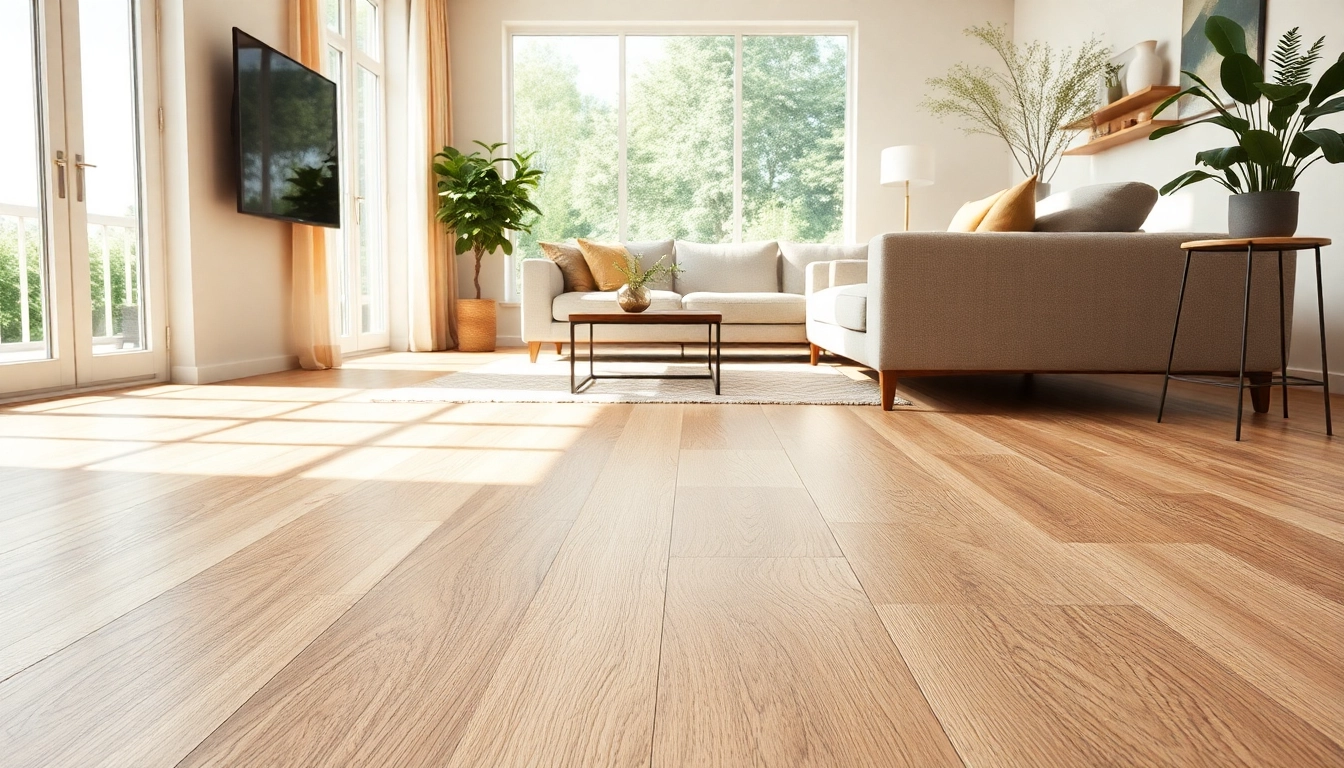
- Wood-Look Vinyl: Perfect for those who love the appearance of hardwood but want the advantages of vinyl. These designs range from rustic to modern styles.
- Stone-Look Vinyl: Captures the elegance of natural stone without the associated cost and maintenance, available in various textures and colors.
- Custom Patterns: Many manufacturers offer customizable options that allow homeowners to create unique designs tailored to their preferences.
Durability and Maintenance Options
Vinyl flooring is known for its resilience, but knowing how to maintain its beauty is crucial:
- Wear Layer: Check the thickness of the wear layer, as thicker layers offer better protection against scratches and stains.
- Adhesive vs. Floating Installation: Depending on your choice, ensure proper adhesive techniques for glued-down installations, and allow floating floors to acclimate.
- Routine Care: Regularly vacuum and mop with a mild cleaner to preserve the floor’s appearance and prevent buildup of dirt and debris.
Installation Process of Vinyl Flooring
Pre-Installation Preparations
Proper preparation is vital for a successful vinyl flooring installation. Follow these essential steps:
- Subfloor Assessment: Ensure the subfloor is level, dry, and clean. Any imperfections can affect the final appearance and performance.
- Acclimation: Allow the vinyl planks or tiles to acclimate in the room where they will be installed for at least 48 hours to minimize expansion and contraction.
- Gather Needed Tools: Collect tools such as a utility knife, tape measure, straight edge, and a roller for pressing down seams.
Step-by-Step Installation Guide
The installation process can vary depending on the type of vinyl you choose. Here’s a general step-by-step guide:
- Preparation: Prepare the subfloor as previously described.
- Layout: Plan how the planks or tiles will be laid out, starting in the center or a straight wall for alignment.
- Cutting: Use a utility knife and straight edge to cut planks or tiles to fit snugly against walls.
- Installation: For planks, connect them by clicking them together in place. For tiles, spread adhesive in sections and place tiles evenly.
- Seaming: Roll over seams with a roller to secure adhesion and ensure a flat surface.
- Finishing Touches: Install baseboards or transition strips to complete the look and cover gaps.
Common Mistakes to Avoid During Installation
To ensure a smooth installation process, here are common pitfalls to avoid:
- Neglecting Subfloor Preparation: Failing to properly clean or level the subfloor can lead to uneven surfaces or damage.
- Incorrect Acclimation: If the flooring is not properly acclimated, it can lead to warping or gaps.
- Improper Adhesive Application: Not following adhesive application guidelines can result in peeling and buckling.
Maintaining Your Vinyl Flooring
Daily Care for Vinyl Flooring
Proper daily maintenance ensures your vinyl flooring remains in optimal condition:
- Regular Sweeping: Dust and dirt can scratch the surface, so sweep or vacuum regularly to keep it clean.
- Spot Cleaning: Address spills immediately to prevent stains. Use a damp cloth or mop with a suitable cleaner for the material.
Deep Cleaning Techniques
Every few months, deep cleaning is necessary. Here’s how to do it effectively:
- Mop with Warm Water: Use a damp mop and warm water to deep clean the surface without damaging it.
- Use pH-Balanced Cleaners: Avoid harsh chemicals that can degrade the flooring materials; opt for cleaners specifically designed for vinyl.
Repairing Minor Damages
Minor damages like scratches or scuffs can typically be repaired easily:
- Scratches: For deeper scratches, consider using a vinyl repair kit that matches your flooring’s color.
- Seam Repairs: If seams become loose, use a clear seam sealer to secure them back in place.
Cost Considerations for Vinyl Flooring
Estimating the Costs of Vinyl Flooring
The cost of vinyl flooring can vary widely based on several factors:
- Material Costs: Expect to pay anywhere from $2 to $7 per square foot, depending on the quality and type.
- Installation Costs: Hiring a professional can add between $1 to $3 per square foot, though DIY can save costs.
- Additional Materials: Don’t forget about underlayment and baseboards, which can add to your total cost.
Comparative Analysis with Other Flooring Types
To understand the true value of vinyl flooring, it’s important to compare it with other flooring options:
- Hardwood: Often 2–4 times more expensive, hardwood requires more maintenance and is prone to scratches.
- Tile: While more resilient, tile installation can be significantly more expensive, requiring extensive labor.
- Carpet: Generally cheaper, but carpets can harbor allergens and require regular cleaning.
Ways to Save on Vinyl Flooring Projects
To keep your project within budget, consider these cost-saving strategies:
- Shop Sales: Many retailers offer seasonal sales—watch for discounts on materials.
- Bulk Purchases: Buying in bulk can lead to significant savings per square foot.
- DIY Installation: If you’re handy, installing the flooring yourself can drastically reduce labor costs.
Frequently Asked Questions
1. Is vinyl flooring waterproof?
Yes, vinyl flooring is typically waterproof, making it an excellent choice for kitchens and bathrooms.
2. How long does vinyl flooring last?
With proper care, vinyl flooring can last anywhere from 10 to 20 years, depending on the quality.
3. Can vinyl flooring be installed over existing floors?
Yes, vinyl flooring can often be installed over existing floors, but ensure the surface is smooth and clean.
4. Is vinyl flooring suitable for pets?
Absolutely, vinyl flooring is scratch-resistant and easy to clean, making it a pet-friendly option.
5. How do I clean vinyl flooring?
Regular sweeping and mopping with warm water and a mild cleaner are recommended to keep vinyl flooring clean.