Understanding the Role of a Steel Fabrication Shop
Definition of Steel Fabrication
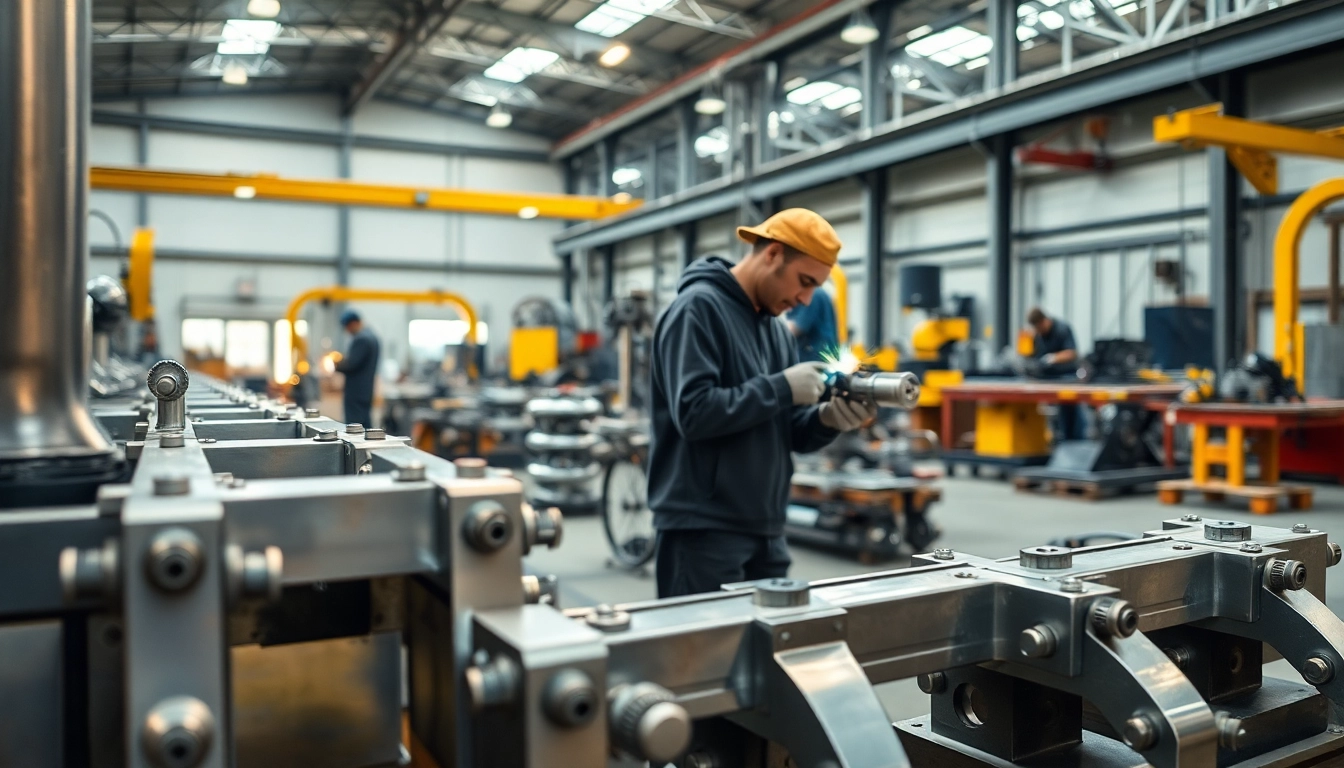
Steel fabrication is the process of constructing structures or components from steel, involving cutting, shaping, and assembling steel materials to create required products. This process is crucial in various industries, including construction, manufacturing, and automotive, as it forms the backbone of many architectural and engineering projects. A steel fabrication shop specializes in this process, providing the tools, expertise, and resources required to transform raw steel into usable materials and products.
Importance in Various Industries
The significance of steel fabrication extends across multiple sectors. In construction, steel frameworks are pivotal for building stability and safety. The automotive industry relies on fabricated steel components for vehicle manufacturability and performance. Moreover, manufacturing industries utilize steel fabrication for machinery parts, tool creation, and heavy equipment structures, ensuring reliability and robustness in their operations. Given steel’s inherent properties — durability, strength, and malleability — the demand continues to increase across various applications.
Common Materials Used in Fabrication
Steel fabrication predominantly involves a variety of steel grades and types, including:
- Carbon Steel: This is the most widely used steel in fabrication due to its cost-efficiency and versatility in structural applications.
- Stainless Steel: Known for its resistance to corrosion, stainless steel is favored in environments that demand hygiene, such as food processing and medical equipment.
- Alloy Steel: Alloying elements are added to improve specific attributes, such as strength or toughness, making it ideal for various high-stress applications.
- Reinforced Steel: Used in concrete structures to enhance tensile strength and durability.
Key Services Offered by Steel Fabrication Shops
Custom Fabrication Solutions
One of the hallmark services of a steel fabrication shop is custom fabrication. This entails creating bespoke structures or components according to specified designs, dimensions, and client requirements. This service allows for greater flexibility and adaptability in various projects, such as bespoke architectural features, unique machinery parts, or specialized tools. Utilizing advanced software for design and modeling, skilled fabricators can produce prototypes and final products with a high degree of precision and accuracy.
Welding and Assembly Services
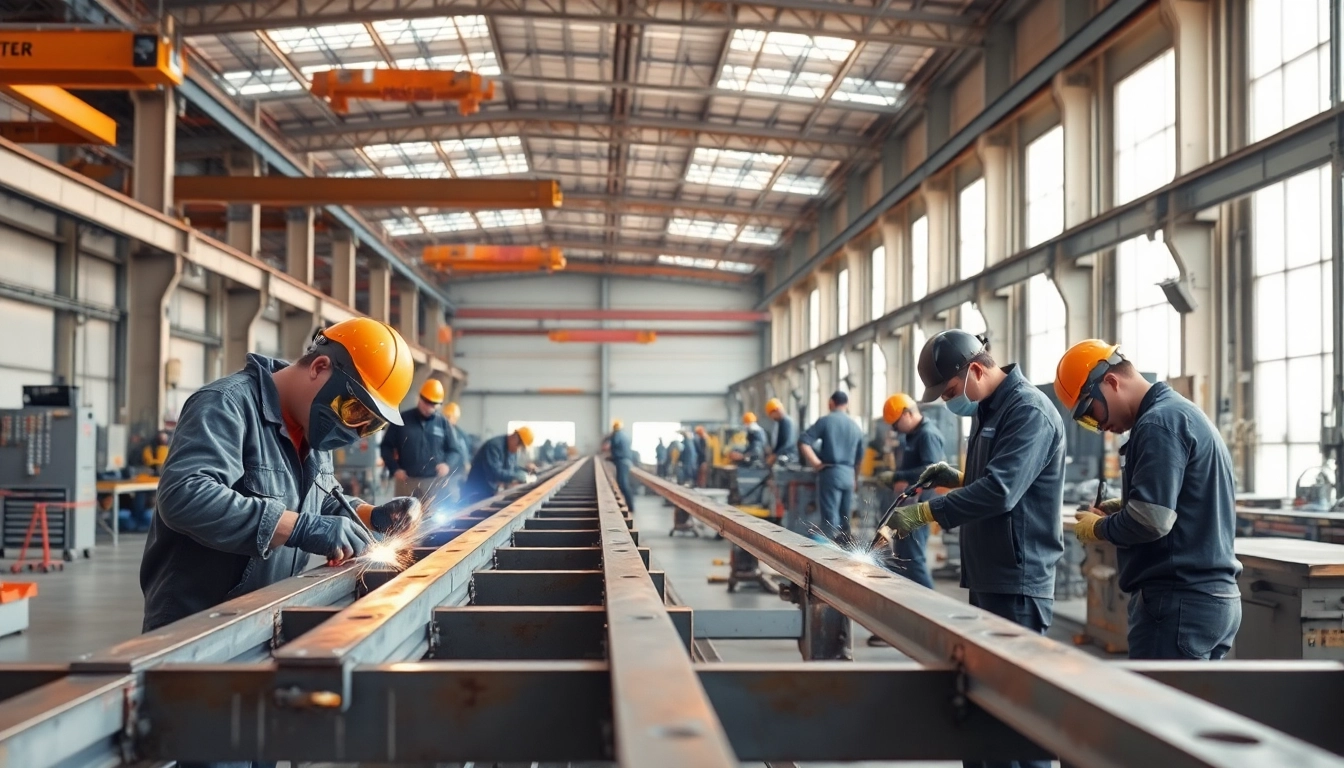
Welding is an essential part of steel fabrication that involves joining steel pieces together to form a single unit. Expert welders employ various techniques, such as MIG, TIG, and stick welding, depending on the materials and outcome desired. An efficient steel fabrication shop ensures that all welds meet the necessary industry standards and regulations, resulting in sturdy constructions that withstand operational stresses. Moreover, assembly services combine multiple fabricated components into a cohesive structure, significantly saving time on construction projects.
Available Finishing Options
Finishing options are pivotal in enhancing the aesthetic and functional properties of fabricated steel products. Common finishing services include:
- Galvanization: This involves coating steel with zinc to prevent rust and corrosion, enhancing longevity.
- Powder Coating: This provides a vibrant finish and additional protection from environmental factors.
- Painting: An effective and cost-friendly means to provide aesthetic appeal and surface protection.
Choosing the Right Steel Fabrication Shop
Factors to Consider: Experience and Expertise
When selecting a steel fabrication shop, one of the most critical factors is the experience and expertise of the team. Shops with a proven track record demonstrate their capability through successful project deliveries and satisfied clients. It’s essential to examine the qualifications, certifications, and past projects of fabricators to ensure they possess the necessary skills and knowledge to handle your specific fabrication needs.
Evaluating Equipment and Technology
The technology and equipment used in a fabrication shop significantly impact the quality of work produced. Look for shops that utilize modern machinery, such as CNC machines for precision cutting and bending, laser cutters for intricate designs, and advanced welding equipment. Up-to-date technology not only enhances productivity but also ensures the highest quality standards in the fabrication process.
Customer Service and Support
Quality customer service plays a vital role in the relationship between clients and steel fabrication shops. A dependable shop will provide thorough consultations, prompt communication, and support throughout the project lifecycle. Furthermore, an understanding of project timelines and costs should be transparent, allowing clients to make informed decisions.
Cost Considerations in Steel Fabrication
Understanding Pricing Models
Steel fabrication costs can vary significantly depending on several factors. Typically, pricing may be calculated based on materials used, complexity of the design, labor intensity, and lead time demanded for the project. Understanding these models will aid clients in budgeting accordingly and determining the overall feasibility of their projects.
Factors Influencing Costs
Several factors impact the overall cost of steel fabrication:
- Material Selection: The choice of steel and additional materials used can dramatically affect the project costs, with specialty steels being more expensive.
- Project Size: Larger projects generally incur higher costs due to the amount of material required and labor involved.
- Complexity: More intricate designs require specialized skills and additional time for fabrication, which translates into increased costs.
- Shipping and Logistics: The cost for transporting materials and final products can influence the overall budget, particularly for long-distance projects.
Budgeting for Projects
A successful project begins with effective budgeting. Clients should outline their project scope, desired materials, and timeline, and allow for additional contingencies (commonly around 10-20% of the overall budget) to accommodate unforeseen challenges. Engaging early with the steel fabrication shop during this process allows for better clarity on pricing and helps in preventing financial overruns.
Future Trends in Steel Fabrication
Sustainability Practices
As industries increasingly focus on sustainability, steel fabrication shops are adopting environmentally friendly practices. This includes using recycled materials, optimizing resource utilization, and implementing waste reduction strategies. Green certifications and sustainable sourcing are becoming vital criteria for clients evaluating potential fabrication partners.
Technological Advancements
The rise in digitization leads to profound changes in steel fabrication methodologies. Trends like additive manufacturing (3D printing), automated welding systems, and AI-driven design software are reshaping the landscape. These technologies enhance precision, reduce lead times, and minimize human error, improving overall efficiency in the fabrication processes.
Impacts of Industry Regulations
Regulations surrounding construction and manufacturing continuously evolve, with increased emphasis on safety standards and environmental impacts. Steel fabrication shops must stay updated with these regulations to ensure compliance, which impacts operational procedures. Being proactive in understanding potential regulations helps avoid delays and fines while ensuring client satisfaction through adherence to safety and quality standards.