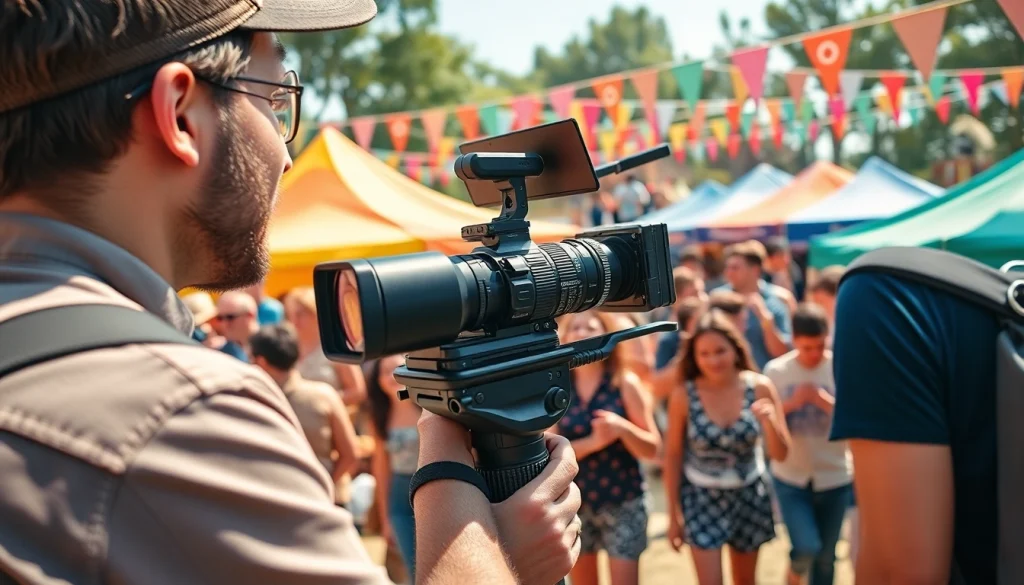
Understanding the Role of the Videographer
The world of videography is vibrant and multifaceted, encompassing a broad spectrum of functions and responsibilities. At the core, a Videographer specializes in capturing high-quality video content tailored for various purposes, including filmmaking, broadcasting, digital marketing, and event coverage. Their work often serves as a visual storytelling medium, providing an engaging way to communicate messages and ideas. In this comprehensive exploration, we will delve into the skill set required, common job environments, and evolving trends within the videography field.
What Does a Videographer Do?
A videographer’s primary role is to create, capture, and edit video content. This can range from recording corporate events, weddings, and music videos to producing short films and documentaries. They are adept at using their technical skills to ensure that each video project aligns with the client’s vision while also engaging the audience. Specifically, a videographer typically engages in the following tasks:
- Pre-production planning: This involves collaborations with clients to understand the project’s vision, developing storyboards, and preparing equipment.
- Filming: Capture footage using professional-grade cameras, ensuring optimal lighting and sound quality. A thorough understanding of composition, angles, and movements adds to the depth of the final product.
- Editing: Post-production is where the magic happens; videographers edit the footage, adding music, graphics, and effects to enhance storytelling.
- Client Communication: Maintaining clear communication with clients is vital to understand their feedback and expectations throughout the project.
Key Skills for a Successful Videographer
Success as a videographer hinges on a blend of creative and technical skills. Here are the key attributes that aspiring videographers should develop:
- Technical Proficiency: Mastery of cameras, lighting equipment, microphones, and editing software is essential. Understanding the technical jargon aids in efficient production.
- Creativity: A strong artistic vision shapes the narrative structure and visual style. Experimentation with different styles and techniques leads to unique content.
- Attention to Detail: Every shot counts, and having an eye for detail ensures quality in the final edits. Focusing on small elements can significantly impact storytelling.
- Interpersonal Skills: Engaging effectively with clients, crew members, and subjects is vital, as successful projects often rely on seamless collaboration.
- Problem-Solving: Unforeseen issues can arise during filming or editing; having the ability to adapt and find solutions quickly is crucial.
Common Videographer Job Environments
Videographers can work in various settings, depending on the type of projects they pursue. Common job environments include:
- Freelance: Many videographers operate independently, taking contracts from different clients ranging from individuals to companies.
- Film and Television Production: Videographers often collaborate with directors, producers, and other crew members in larger production teams.
- Corporate Settings: Businesses may hire videographers to create promotional videos, training materials, or record events.
- Event Coverage: Videographers frequently work at weddings, parties, and conferences, capturing significant moments for clients.
Essential Equipment for Videographers
The right tools and equipment can significantly influence the quality of a videographer’s output. Investing in essential gear is crucial for producing professional-level videos.
Must-Have Cameras and Gear
Choosing the right camera is one of the first steps in establishing a videography career. Below are key equipment considerations:
- Video Cameras: Options range from DSLR and mirrorless cameras to more advanced cinema cameras; the choice depends on the type of projects one undertakes.
- Tripods and Stabilizers: To achieve smooth and professional-looking footage, stabilization equipment is a must. A tripod provides steadiness, while gimbals help with dynamic shots.
- Audio Gear: Quality microphones (lapel, shotgun, or handheld) should be prioritized to ensure clear audio capture. Boom arms and audio interfaces further enhance sound quality.
- Lighting Equipment: Proper lighting can drastically improve video quality. Softboxes, ring lights, and reflectors help create the desired mood and ambiance.
- Accessories: Items like batteries, memory cards, filters, and lens cleaners are vital for maintaining gear efficiency on the job.
Software for Videographers
Post-production is as essential as filming, and having the best software can streamline this process. Key editing software options for videographers include:
- Adobe Premiere Pro: A professional editing tool that provides versatile features for video editing, color correction, and audio mixing.
- Final Cut Pro: Apple’s editing software that offers a user-friendly interface along with powerful editing capabilities for Mac users.
- DaVinci Resolve: Known for its color grading features, it also includes robust editing tools for comprehensive video production.
- After Effects: Ideal for creating motion graphics and visual effects that can enhance a video project.
Investment in Technology: Pros and Cons
While investing in high-end videography equipment and software can yield rich dividends, it also carries some drawbacks. Here are the primary advantages and disadvantages:
Pros:
- Higher Quality Output: Professional-grade equipment allows for superior video and audio quality, contributing to a better viewer experience.
- Increased Client Trust: Investing in good equipment signals professionalism and commitment, fostering trust with clients.
- Versatility: Advanced technology enables videographers to take on various types of projects, including commercial work, events, and creative filmmaking.
Cons:
- High Initial Costs: Fulfilling the equipment needs for a professional videography setup can demand a substantial financial investment.
- Maintenance and Upgrades: Ongoing costs include servicing gear, purchasing new gear, and software licenses, which can accumulate quickly.
- Complex Learning Curve: New equipment and software may require additional training, which can take time away from actual videography work.
Building a Portfolio as a Videographer
A strong portfolio is essential for any videographer seeking to establish their brand and attract clients. An effective portfolio showcases expertise and style and demonstrates versatility in videography.
Types of Work to Include
When curating a portfolio, videographers should aim to include a diverse array of work that reflects their range of skills. Types of projects to consider might include:
- Corporate Videos: This can include promotional videos, employee training, and corporate events that highlight professionalism and technical skill.
- Weddings and Events: Capturing emotional moments and unique aspects of the occasion can resonate with potential clients.
- Short Films: Original content created by the videographer that showcases storytelling ability and creative vision.
- Documentaries or Interviews: Focus on real stories or personal experiences helps to convey depth and character.
How to Showcase Your Videographer Skills
To effectively present skills as a videographer, it’s important to consider the following strategies:
- Create a Dedicated Website: A personal website serves as a hub for your portfolio, contact information, and any client feedback. It allows you to display your work cohesively.
- Utilize Social Media: Platforms like Instagram, Vimeo, and YouTube can significantly widen exposure, allowing you to showcase video clips and engage with potential clients or collaborators.
- Networking Events: Attend events or gatherings to meet other creatives, which can lead to collaborations and opportunities in videography.
- Online Communities: Participate in forums and groups for videographers to share your work, receive feedback, and learn from others.
Networking Tips for Videographers
Establishing a robust network can open doors in the videography industry. Here are some helpful tips:
- Attend Workshops and Classes: Learning from industry professionals and connecting with peers can build valuable relationships.
- Join Local Film Groups: Collaboration on film projects enables you to meet fellow videographers, filmmakers, and potential clients.
- Participate in Film Festivals: Entering your work into competitions can boost visibility and provide significant exposure to those working in the industry.
- Follow Up with Contacts: After meeting someone, maintaining the relationship through follow-up messages can strengthen connections.
Trends in Videography
As technology evolves, so does the field of videography. Staying up-to-date with current trends allows videographers to maintain a competitive edge and cater to changing audience preferences.
Emerging Styles and Techniques
Innovations in techniques and styles can greatly influence the success of video projects. Look for these key emerging trends:
- Virtual and Augmented Reality: These immersive technologies enhance storytelling by placing audiences within the video context, offering a unique experience.
- Live Streaming: Growing in popularity, live streaming allows real-time engagement with viewers and is increasingly utilized for events, webinars, and other programming.
- Drones: Aerial videography has exploded in popularity for its stunning visuals and is often used in real estate, outdoor events, and scenic storytelling.
- 360-Degree Video: Similar to VR, 360-degree techniques allow viewers to interact with videos actively, increasing engagement and immersion.
Impact of Social Media on Videography
Social media has become a powerful platform for disseminating video content. Its effects on videography include:
- Wider Audience Reach: Platforms like Facebook, Instagram, and TikTok enable quick sharing of videos, allowing for potential virality and greater exposure.
- Viewer Engagement: Social media facilitates direct communication with audiences, allowing videographers to gauge feedback, preferences, and trends.
- Content Variety: Diverse formats, such as short stories, IGTV, and live streams, require versatile videographers capable of adapting their styles to fit each platform.
Future Trends for the Videographer Industry
Anticipating future trends helps videographers remain relevant. Look for these possible developments:
- AI and Automation: Advancements in AI technologies may streamline editing processes, enabling faster production while maintaining quality.
- Increased Demand for Personalized Content: As audiences seek more targeted and authentic content, videographers will need to create tailored videos that resonate with specific demographics.
- Enhanced Interactivity: Future video trends may include increasing viewer engagement through interactive storytelling, allowing audiences to influence narratives or outcomes in video content.
- Green Videography: Increasing focus on sustainability may inspire videographers to adopt eco-friendly practices in production and sourcing materials.
Tips for Hiring a Videographer
Whether hiring for a corporate project, wedding, or personal endeavor, understanding the traits of an effective videographer is crucial to achieving the desired outcome. Here are essential considerations:
What to Look for in a Videographer
Hiring a suitable Videographer involves assessing various factors:
- Experience and Specialization: Consider a videographer’s portfolio, experience in specific types of events, and the quality of prior work.
- Reviews and Testimonials: Seek feedback from previous clients, which can offer insights into professionalism and reliability.
- Communication Skills: A good videographer should listen to your vision and faithfully translate it into a visual medium.
- Technical Skills: Ensure they are proficient with cameras, lighting, and editing software, providing flexibility across various project types.
Budgeting for Videography Services
Understanding typical pricing structures allows clients to effectively budget for videography services. Considerations include:
- Type of Project: Wedding videography may differ from corporate videos in terms of complexity and the final product offered.
- Time Commitment: Costs can vary based on the hours needed for pre-production, filming, and post-production.
- Equipment Used: Higher-end gear may come with higher fees, reflecting its ability to enhance video quality.
- Location and Travel Expenses: Travel for destination shoots can impact overall costs and should be discussed in advance.
Questions to Ask Potential Videographers
To ensure a good fit, ask the following questions during the hiring process:
- What is included in your service package? Understanding the range of services offered (editing, multiple cameras, etc.) helps determine overall value.
- Can you provide references from past clients? Testimonials from previous clients can offer reassurance about the videographer’s capabilities.
- How do you handle unexpected events or changes during a shoot? This showcases their adaptability and ability to maintain quality under pressure.
- What is your estimated turnaround time for the final product? Knowing the delivery time from filming to final edits helps in project planning.