Understanding the Tree House Life Concept
Living within a treehouse is a dream shared by many, evoking images of childhood adventure and a deep connection with nature. But the concept of tree house life has evolved far beyond simple playhouses. Today's treehouses are sophisticated constructions that can serve as homes, holiday retreats, or even functional spaces for work. This article delves into the multifaceted world of treehouse living, exploring its benefits, design principles, and the techniques used to bring such aspirations to life.
What is Tree House Life?
Tree house life encapsulates a lifestyle choice that promotes sustainability, creativity, and a unique living experience. It refers to residences built among trees, utilising their natural beauty as a backdrop. While treehouses have traditionally been associated with childhood fun, modern treehouse living intertwines comfort with environmental consciousness, making it an increasingly popular choice for those seeking an alternative to conventional housing.
Benefits of Living in a Treehouse
Choosing to reside in a treehouse comes with numerous advantages. Here are a few key benefits:
- Connection to Nature: Living in a treehouse allows residents to engage directly with the environment, offering breathtaking views and a tranquil atmosphere.
- Minimal Environmental Impact: Many treehouses are designed with eco-friendly materials and practices, reducing their carbon footprint.
- Unique Architectural Expression: Treehouses offer an opportunity for creative design, allowing for innovative structures that reflect the owner's personality.
- Privacy and Seclusion: Elevated living spaces provide a sense of privacy, perched high above the ground, making them ideal for peaceful retreats.
Exploring Eco-Friendly Building Materials
As more individuals commit to sustainable living, the use of eco-friendly materials in treehouse construction is on the rise. Key materials include:
- Reclaimed Wood: Utilising salvaged timber not only saves trees but also adds character and history to the structure.
- Recycled Steel: For structural elements, recycled steel provides robust durability without compromising the environment.
- Natural Insulation: Bio-based insulation options, such as sheep's wool or cellulose, improve energy efficiency while being biodegradable.
Designing Your Dream Treehouse
Design is a critical aspect of any treehouse project, necessitating thoughtful planning and creativity. The design process should marry functionality with aesthetics while considering both the environment and the user’s needs.
Essential Considerations for Treehouse Design
When embarking on a treehouse design journey, consider the following factors:
- Tree Health: It’s vital to assess the health of the trees chosen for construction, ensuring they can support the structure while thriving.
- Site Location: The position of the treehouse can significantly affect the views, sunlight, and accessibility. Choosing the right site is foundational to the living experience.
- Size and Layout: Determine how much space is necessary and design the layout to maximise functionality. Include areas for sleeping, relaxing, and potentially working.
Incorporating Nature into Your Design
The philosophy of treehouse living encourages seamless integration with nature. Here are ways to enhance that connection:
- Large Windows: Incorporate expansive windows or glass walls to bring in natural light and views of the surrounding landscape.
- Outdoor Decks: Create outdoor living spaces that blend into the surrounding trees, allowing for gatherings and outdoor activities.
- Natural Landscaping: Landscape the area around the treehouse with native plants and trees, promoting local biodiversity and supporting wildlife.
Creative Uses of Space in Treehouses
Modern treehouses can serve multiple purposes, and creativity in space usage can enhance their appeal:
- Home Office: A treehouse can provide a unique and inspiring workspace, far removed from the distractions of traditional offices.
- Recreational Spaces: Design areas for hobbies, such as art studios or yoga spaces, capitalising on the peaceful environment.
- Guest Accommodations: Treehouses can be designed to host friends and family, providing a memorable experience for guests.
Building Techniques and Best Practices
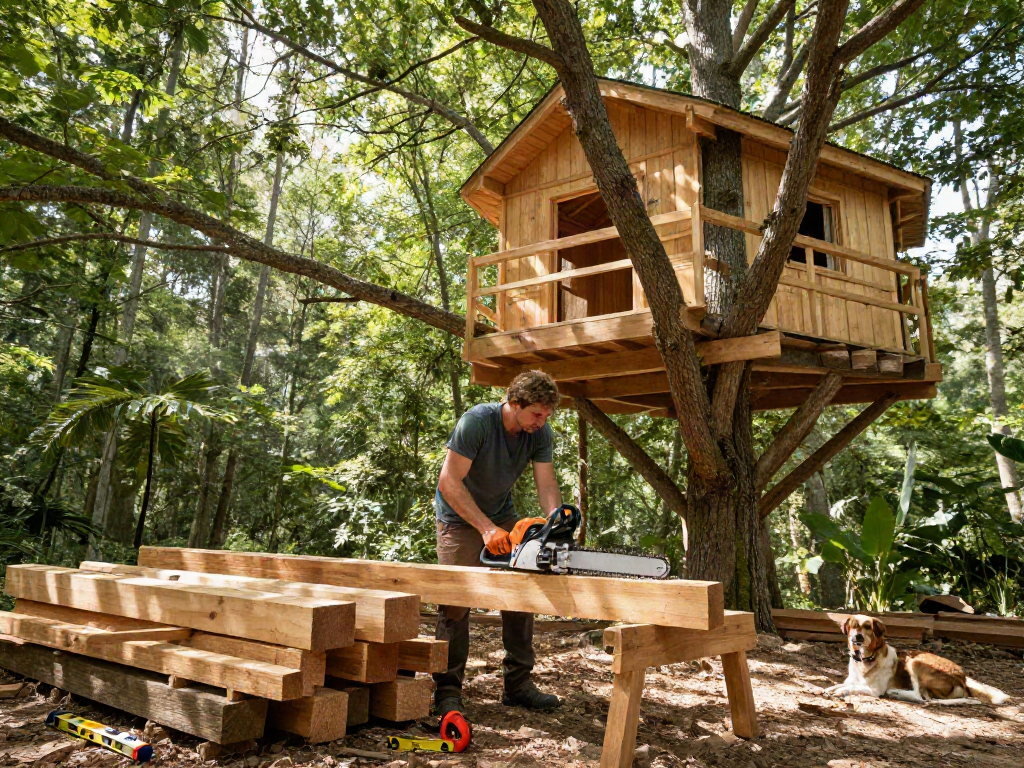
Constructing a treehouse is a blend of art and engineering, requiring specific techniques to ensure safety and longevity. Understanding the best practices in treehouse construction can lead to more successful projects.
Step-by-Step Guide to Treehouse Construction
To build a sturdy and lasting treehouse, follow these key steps:
- Planning and Design: Create detailed plans and gather necessary permissions.
- Selecting Trees: Choose healthy trees that are strong enough to support the structure.
- Foundation Building: Construct a solid foundation that properly distributes weight across the tree branches.
- Framing: Build the frame using strong materials, ensuring it is securely attached to the tree.
- Adding Roof and Walls: Install weather-resistant roofing and insulate walls for comfort.
- Finishing Touches: Add interiors, windows, and decks to complete the treehouse.
Common Mistakes to Avoid
While building a treehouse can be rewarding, several mistakes can complicate the process:
- Ignoring Tree Health: Not assessing the trees can lead to structural failure.
- Overbuilding: Heavy structures may compromise the health of the tree; always keep designs light.
- Lack of Safety Measures: Neglecting safety features can result in accidents, so always incorporate railings and secure access points.
Maintenance Tips for Longevity
To ensure the treehouse remains safe and functional over the years, regular maintenance is needed:
- Regular Inspections: Check for structural integrity and signs of wear or damage.
- Cleaning: Regularly clean the roof and gutters to prevent water damage.
- Wood Treatments: Apply treatments to protect the wood from pests and weathering.
Legalities and Safety Regulations
Understanding the legal landscape is crucial when planning a treehouse project. Compliance with local regulations ensures safety and avoids legal issues.
Understanding Local Building Codes
Every region has its own building codes that dictate the requirements for treehouses. Key considerations include:
- Permits: Many areas require building permits for treehouses, especially if they are used as residences.
- Height Restrictions: Local regulations may restrict how high you can build your treehouse.
- Structural Standards: Ensure that your project meets the structural standards outlined by local authorities.
Ensuring Safety in Treehouse Construction
Safety should always be a top priority in the construction and design of treehouses:
- Secure Access: Use stable ladders or staircases for safe entry and exit.
- Child Safety: Install safety features if children will be using the treehouse.
- Regular Maintenance Checks: Keep the structure safe through regular inspections and repairs.
Insurance Considerations for Tree Houses
Before construction begins, consider how to protect your investment with insurance:
- Homeowners Insurance: Verify that your homeowners policy covers treehouses or consider additional coverage.
- Liability Coverage: This is important, especially if you plan to allow guests or rental opportunities.
- Specialised Insurance: Look for insurers that offer specific coverage for unique structures like treehouses.
Future Trends in Tree House Living
The future of treehouse living is vibrant and intertwined with advancements in sustainability and design. Key trends are shaping the way treehouses are viewed and constructed.
Innovations in Sustainable Treehouse Design
As technology and eco-design evolve, so do the methods used to build treehouses. Look for trends such as:
- Smart Technology: Integrating home automation for energy efficiency and convenience.
- Modular Designs: Creating components that can be easily assembled or disassembled, reducing waste.
- Self-Sufficient Structures: Implementing solar panels or rainwater harvesting systems to promote self-sufficiency.
Community and Lifestyle Impact
Treehouses are not only a residence; they can foster community and enhance lifestyles:
- Eco-Conscious Living: More treehouses promote environmental awareness and a sustainable lifestyle.
- Social Hubs: Treehouses can serve as gathering places for families and friends, strengthening community ties.
- Tourism Opportunities: Unique treehouse designs can attract tourism, aiding local economies.
Predictions for Tree House Living in 2026
As we look ahead to 2026, predictions for treehouse living include:
- Increase in Urban Treehouses: As city dwellers seek nature, urban treehouses will gain popularity.
- Greater Focus on Sustainability: The trend towards eco-friendly designs will become more mainstream.
- Community Treehouse Projects: Initiatives that allow for communal treehouse living are likely to rise, fostering connection.
Frequently Asked Questions
How long do treehouses last?
With proper maintenance, treehouses can last for decades. The key is to use durable materials and conduct regular inspections.
Can you live in a treehouse full time?
Yes, many people choose to live in treehouses full time, particularly those that are built to modern standards with amenities like plumbing and electricity.
What materials are best for building a treehouse?
Using a mix of reclaimed wood, treated lumber, and eco-friendly materials will ensure a sustainable and lasting treehouse.