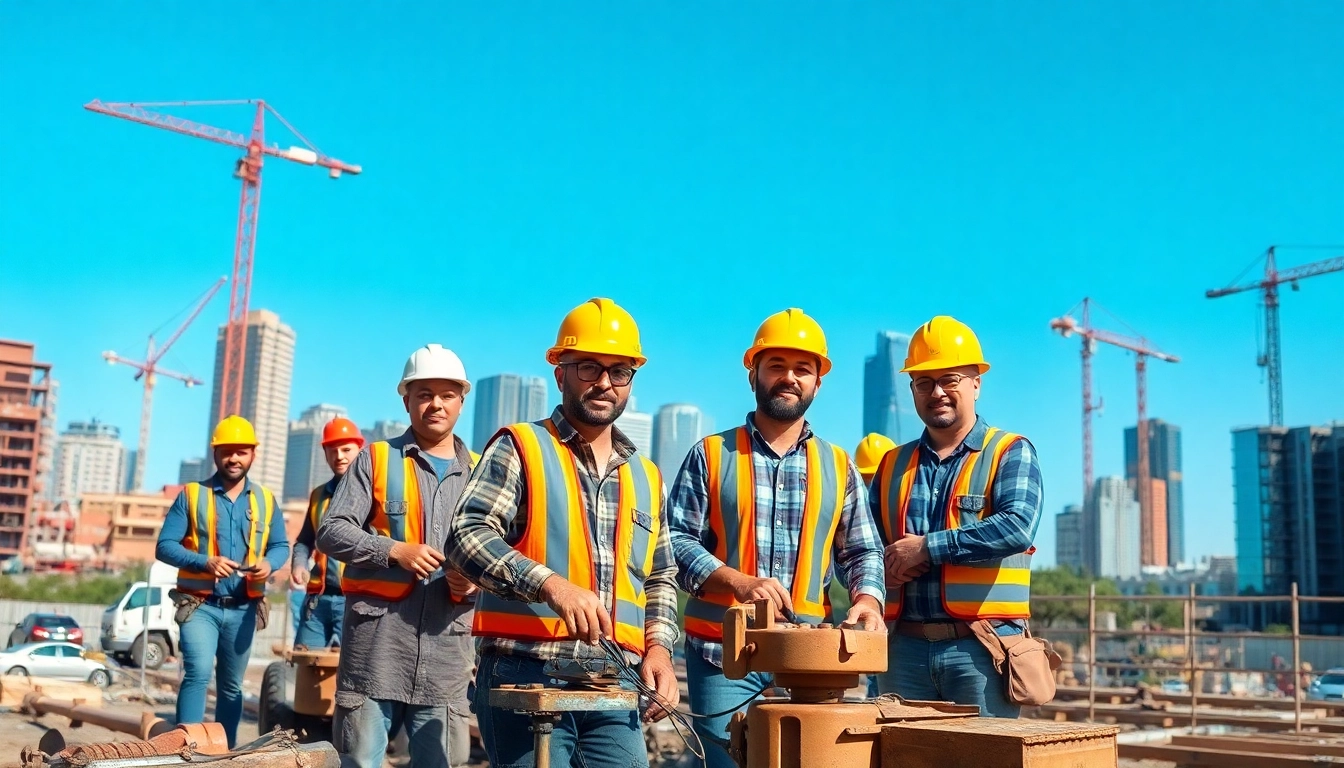
Understanding Austin Construction Landscape
Austin's construction landscape is an ever-evolving tapestry that reflects the city's booming economy, cultural vibrancy, and the increasing demand for housing and commercial spaces. As one of the fastest-growing metro areas in the United States, the city is undergoing extensive development, making Austin construction a vital topic for stakeholders, from government officials to local residents. This article delves into the various aspects that define the construction landscape in Austin, including its growth, key players, and the regulatory environment that influences the industry.
The Growth of Austin's Construction Industry
The growth trajectory of Austin's construction industry is nothing short of remarkable. Over the past decade, the city's population has surged due to its robust job market, attracting a young and diverse workforce. This influx has led to a surge in both residential and commercial construction projects. As companies expand their footprints, demand surges for office spaces, retail environments, and housing developments.
A key driver of this growth is the technology sector, which continues to flourish in Austin. With major companies setting up operations in the area, including both startups and established giants, the construction of state-of-the-art office buildings has become a priority. Furthermore, the housing market is responding to the demands of new residents, resulting in numerous multifamily complexes and single-family homes sprouting throughout the city.
Influence of Local Regulations on Austin Construction
Local regulations play a pivotal role in shaping the Austin construction industry. Zoning laws, building codes, and environmental regulations must all be adhered to, ensuring that developments align with community standards and sustainability goals. The City of Austin has implemented a variety of measures that not only influence the construction process but also prioritize safety, accessibility, and environmental stewardship.
For instance, redevelopment plans often undergo rigorous public review and engagement. Community feedback regarding aesthetics, density, and traffic concerns can shape project designs significantly. Furthermore, regulations on energy efficiency and green building standards are becoming increasingly stringent, pushing developers to innovate in ways that reduce environmental impact while meeting the housing demands of a growing population.
Key Players and Stakeholders in Austin Construction
The construction landscape in Austin is populated by a diverse array of key players and stakeholders. From general contractors and subcontractors to architects, engineers, and local government agencies, each stakeholder plays an essential role in the construction process.
Developers are often the driving force behind projects, seeking to turn vision into reality while navigating the complexities of regulation and community expectations. Architects and engineers contribute their expertise in designing functional and aesthetically pleasing spaces, while contractors manage the logistics of project execution on-site. In addition, professional organizations and trade unions play a significant role in advocating for worker rights and promoting industry standards, ensuring that the workforce is skilled and prepared for the challenges at hand.
Innovative Techniques in Austin Construction
Innovation is at the forefront of Austin's construction industry, with trends emerging that showcase modern techniques and materials designed to improve efficiency and sustainability. The embrace of innovative technology and methodologies is essential in meeting the demands of the region's expanding urban environment.
Modern Materials Revolutionizing Austin Construction
Austin's construction sector is witnessing a revolution in material science, with innovative products designed to enhance performance, durability, and sustainability. Conventional materials such as wood, concrete, and steel are now being augmented with new alternatives that offer improved energy efficiency and environmental benefits.
For instance, cross-laminated timber (CLT) is gaining traction as a sustainable alternative for multi-story construction projects. This engineered wood product not only reduces carbon footprints but also provides an attractive aesthetic that resonates with the city’s love for natural materials. Similarly, the use of recycled materials is on the rise, where waste from deconstructed buildings is repurposed into new construction elements, demonstrating an industry shift towards circular economy practices.
Technology Integration in Austin Construction Projects
Technology integration is rapidly redefining traditional construction methods in Austin. Building Information Modeling (BIM), drones, and wearables serve to enhance project planning, execution, and management. BIM allows for detailed 3D modeling, enabling stakeholders to visualize projects comprehensively and identify potential conflicts before construction begins.
Drones are increasingly being used for site surveys and progress tracking, significantly improving efficiency and accuracy. Additionally, wearables such as smart helmets and safety vests help ensure worker safety on construction sites by providing real-time data on environmental conditions and location tracking. As new technologies emerge, adoption within the Austin construction industry is essential for enhancing productivity and collaboration across teams.
Eco-Friendly Practices in Austin Construction
With a growing focus on sustainability, eco-friendly practices are becoming an integral part of the Austin construction ethos. Developers and contractors are adopting green building certifications like LEED (Leadership in Energy and Environmental Design) as benchmarks for environmental performance.
Strategies include utilizing energy-efficient designs, maximizing natural light, and incorporating renewable energy sources such as solar panels. Additionally, water-conservation techniques and site selection to minimize ecosystem disruption are essential considerations. By prioritizing sustainable building practices, Austin’s construction industry not only meets current ecological demands but also sets the standard for future development.
Common Challenges Faced in Austin Construction
Despite the promising opportunities within the Austin construction sector, numerous challenges persist that stakeholders must navigate to ensure project success. The dynamic and competitive nature of the market requires ongoing adaptation and problem-solving strategies.
Supply Chain Disruptions in Austin Construction
One of the most pressing challenges in Austin construction is the frequent disruption of supply chains. The COVID-19 pandemic exposed vulnerabilities in global supply networks, leading to delays and increased costs for essential materials. Factors such as geopolitical tensions, transportation bottlenecks, and a shift towards localized sourcing have all contributed to these disruptions.
In response, industry stakeholders are exploring alternative sourcing strategies and increasing inventory levels to cushion against future shortages. Moreover, the adoption of digital procurement tools aids in tracking materials, suppliers, and lead times, allowing for better crisis management and supply chain resilience.
Labor Shortages Impacting Austin Construction
Austin’s construction industry is also grappling with significant labor shortages. As the city's growth continues to attract new developments, the demand for skilled trade workers outpaces supply. This challenge is compounded by an aging workforce, where many experienced tradespeople retire without a sufficient influx of new talent to replace them.
To address this labor gap, the industry is investing in educational partnerships, apprenticeship programs, and workforce training initiatives to encourage younger generations to pursue careers in construction. Emphasizing the value of skilled trades and providing pathways to certification can enhance recruitment efforts and build a robust future workforce.
Managing Project Timelines in Austin Construction
Timely project completion is critical in the competitive Austin construction landscape. However, various factors can impede project timelines, including weather conditions, regulatory approvals, and unforeseen complications that arise during construction.
Effective project management practices are essential for navigating these challenges. Implementing agile methodologies, utilizing project management software, and maintaining open lines of communication among stakeholders can mitigate delays. Additionally, establishing contingency plans for potential disruptions ensures that projects can adapt and remain on track regardless of external pressures.
Best Practices for Efficient Austin Construction
Engaging in best practices is essential for ensuring efficiency, cost-effectiveness, and quality in Austin construction projects. By adhering to proven methods, stakeholders can enhance project outcomes and contribute to the city’s development goals.
Importance of Pre-Construction Planning in Austin Construction
Pre-construction planning is often cited as one of the most critical phases in the construction process. Thorough planning encompasses everything from budgeting and scheduling to design and regulatory compliance. By taking the time to conduct detailed assessments, stakeholders can identify potential pitfalls and address them proactively.
Collaborative pre-construction meetings involving all key players can facilitate the sharing of insights and set clear expectations. Utilizing data from previous projects can help in making informed decisions about timelines, resource allocation, and design choices, ultimately leading to greater project cohesion and success.
Collaboration Among Austin Construction Teams
The interconnected nature of the construction process necessitates a high level of collaboration among teams. Effective communication between architects, engineers, general contractors, and subcontractors can significantly enhance project delivery.
Utilizing collaborative platforms and tools fosters transparency and real-time updates, allowing all team members to remain on the same page throughout the project lifecycle. Establishing a culture of collaboration encourages shared goals and accountability, driving team members to perform at their best, even in challenging scenarios.
Quality Control Measures for Austin Construction
Implementing robust quality control measures is paramount to ensuring that construction projects meet the highest standards of safety and aesthetics. Regular inspections, third-party audits, and adherence to established best practices are key components of an effective quality control strategy.
Training programs for workers focused on quality standards and continuous improvement can lead to a more skilled and conscientious workforce. Using technology such as digital checklists and inspection software can streamline quality assurance processes, ensuring thorough documentation and tracking of compliance throughout construction projects.
Evaluating Success in Austin Construction Projects
Assessing the success of construction projects requires a multifaceted approach. Key performance indicators (KPIs) can provide measurable insights into project efficiency and overall impact on the community.
Performance Metrics for Assessing Austin Construction
A variety of performance metrics can be employed to evaluate the success of construction projects in Austin. These may include budget adherence, schedule delays, safety incidents, and quality ratings, among others.
Utilizing a balanced scorecard approach can provide stakeholders with a holistic view of project performance, allowing for adjustments as necessary. Every completed project provides valuable lessons, and utilizing data analytics to assess past performance can assist in enhancing future efforts and strategic planning.
Case Studies of Successful Austin Construction
Examining case studies of successful construction projects in Austin offers insight into effective practices and the potential impact of innovative designs on the community. One notable example includes the revitalization of existing neighborhoods where adaptive reuse of buildings has provided modern living spaces while preserving cultural heritage.
Such projects not only promote sustainability by repurposing materials but also enhance community engagement by maintaining historical relevance. Other projects focus on affordable housing, showcasing collaboration among developers, city officials, and community organizations to address housing shortages while ensuring inclusivity and access for diverse populations.
Future Projections for Austin Construction Market Growth
The future of the Austin construction industry appears promising, with projections indicating continued growth fueled by ongoing urbanization and economic prosperity. As new technologies and sustainable practices mature, the city can expect to see innovative approaches to development that address the increasing demand for housing and commercial spaces.
Moreover, with a focus on improving infrastructure and transportation, the construction sector will increasingly contribute to enhancing the overall quality of life for residents while strategically positioning Austin as a leading metropolis in the nation.
In summary, the Austin construction landscape is characterized by rapid growth, innovation, and challenges. By understanding the complexities of the industry, embracing best practices, and focusing on collaboration, stakeholders can navigate the evolving landscape effectively and contribute to building a sustainable and vibrant future for the city.