Understanding the Functionality of Fly Fishing Backpacks
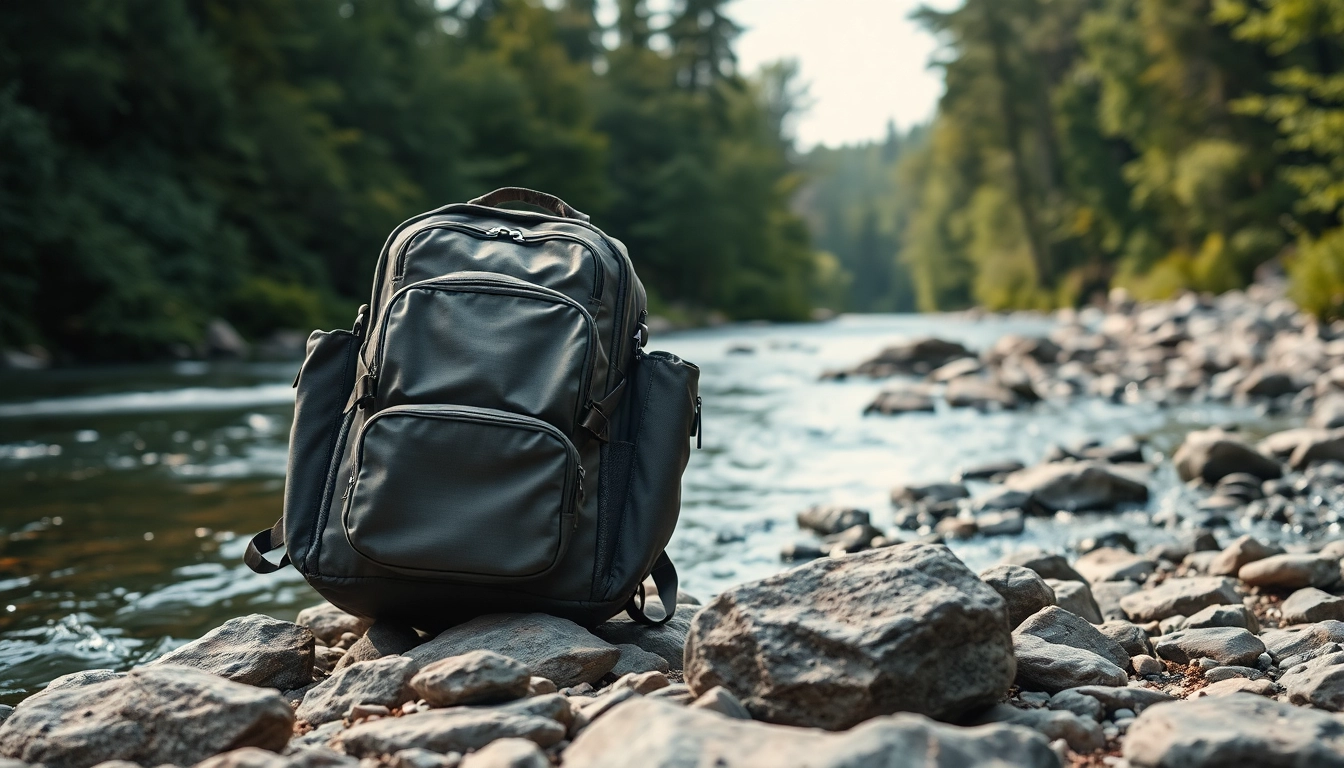
When it comes to fly fishing, having the right gear can significantly enhance your experience on the water. One crucial element of your fly fishing ensemble is a quality fly fishing backpack. These backpacks are specifically designed to carry essential fishing gear while ensuring ease of access, comfort, and convenience. Understanding the functionality of fly fishing backpacks can help you make informed choices when selecting the right model for your adventures.
Key Features to Look for in a Fly Fishing Backpack
The ideal fly fishing backpack should combine practicality with comfort. Here are some key features to consider:
- Water Resistance: Since fishing often involves wet environments, look for a backpack made of materials that can withstand moisture and rain.
- Comfortable Straps: Padded shoulder straps and adjustable belts contribute to greater comfort, especially during long treks.
- Storage Compartments: Multiple compartments and organizational pockets can help you separate gear, making it easier to find items when you need them.
- Accessibility: A backpack should offer easy access to your gear; look for features such as front-loading designs or side pockets.
- Lightweight Construction: Your backpack should not weigh you down. Look for lightweight synthetic materials that do not compromise on durability.
Comparing Different Styles of Fly Fishing Backpacks
Fly fishing backpacks come in various styles tailored to specific fishing needs and personal preferences. Below are some common styles:
- Daypacks: Ideal for short fishing trips, these backpacks tend to have a smaller capacity but can still hold the essentials.
- Hydration Backpacks: These are perfect if you plan to be on the water for extended periods. They often feature a bladder system to keep you hydrated.
- Chest Packs: While not a traditional backpack, chest packs provide easy access to tackle and gear and are lightweight.
- Wader Packs: Designed to be worn over waders, these packs allow for easy access while keeping your gear dry.
How Size and Capacity Affect Your Experience
The size and capacity of your fly fishing backpack can greatly influence your fishing adventures. It's essential to choose a backpack that suits your fishing style:
- For short excursions, a smaller daypack with a capacity of around 15-25 liters is adequate.
- Longer trips require larger packs, generally 30 liters or more, to fit additional gear and provisions.
- A good rule of thumb is to consider the length of your trips and the amount of gear needed, ensuring a balance between sufficient storage and portability.
Best Practices for Organizing Your Fly Fishing Gear
Proper organization within your fly fishing backpack can streamline your fishing process and ensure you are fully equipped. Here are best practices to keep your gear neatly arranged:
Essential Gear to Carry in Your Fly Fishing Backpack
Understanding what essential gear you need will help you avoid unnecessary clutter and ensure you have everything ready for your trip. Key items to include are:
- Fly Boxes: Organize flies by type, size, or color.
- Tools: Include pliers, line cutters, and tippets for various tasks on the water.
- First Aid Kit: Always prepare for unexpected situations.
- Waterproof Cases: For electronics like phones or cameras.
- Snacks and Water: Stay hydrated and energized throughout your outing.
Tips for Effective Packing
Packing your fly fishing backpack efficiently can prevent damaged gear and allow for quick access to necessities. Consider the following tips:
- Utilize Compartmentalization: Use divided spaces for specific gear types, minimizing rummaging.
- Pack Heaviest Items First: Place heavier items close to your back for better weight distribution.
- Leave No Space Empty: Fill smaller gaps with lighter items, ensuring your pack is balanced.
- Access Points: Keep frequently used items in exterior pockets for ease of access.
Organizational Accessories for Fly Fishing Backpacks
Enhancing your organization can be achieved through various accessories designed specifically for anglers. Consider these options:
- Modular Kits: These help store and compartmentalize various fishing tools and accessories.
- Waterproof Dry Bags: Protect your gear from water damage while maintaining organization.
- Tool Lanyards: Keep your essentials readily accessible and secure.
- Utility Boxes: Perfect for smaller items to reduce clutter.
Top Fly Fishing Backpack Brands and Models
Choosing from various brands can be overwhelming, but some have established themselves as leaders in the market. Below, we review some of the top brands and models:
Review of Leading Brands in Fly Fishing
Some of the most reputable brands that consistently receive high marks include:
- Orvis: Known for quality and durability, Orvis backpacks often incorporate innovative features.
- Simms: These backpacks are designed by anglers, providing practical features unique to fly fishing needs.
- Fishpond: Focused on sustainability, Fishpond offers eco-friendly materials without sacrificing performance.
- Patagonia: Combining style with functionality, Patagonia's outdoor gear is optimized for various environments.
Comparative Analysis of Popular Backpack Models
To help you identify the best fly fishing backpack for your requirements, here’s a look at some popular models:
- Orvis Sling Pack: A sleek design with great access points and ample compartments.
- Simms Dry Creek Z Pack: Known for its waterproof capabilities and spacious layout.
- Fishpond Thunderhead Submersible: Offers durability with a waterproof guarantee, ideal for adventurous anglers.
- Patagonia Black Hole Pack: Perfect for fly fishers who need versatility in varying conditions.
Customer Reviews and Feedback
Feedback from fellow anglers can provide invaluable insights into the performance and practicality of different backpacks. Customers commonly rate backpacks on factors like comfort, durability, accessibility, and overall value for money. Reading user reviews can guide your choice, as customers typically share their experiences regarding specific trips, gear storage solutions, and product longevity.
Maintaining and Caring for Your Fly Fishing Backpack
To ensure the longevity of your fly fishing backpack, maintenance and proper care are crucial. A little effort can keep your backpack in great condition for years to come.
Cleaning Tips for Longevity
Regular cleaning is essential to manage both stains and odors that can accumulate during outdoor use. Here are some effective cleaning tips:
- Immediate Rinse: Rinse off dirt and grime immediately after use to prevent buildup.
- Use Mild Detergents: Clean it with mild soap and warm water to avoid damaging the fabric.
- Air Dry: Always allow your backpack to air dry, avoiding direct sunlight that can fade colors.
Storage Recommendations for Off-Season
When fishing season ends, proper storage can protect your investment:
- Clean Thoroughly: Remove all gear and clean your backpack before storage.
- Avoid Damp Areas: Store it in a dry, cool space to prevent mold and mildew.
- Use Stuff Sacks: If possible, store your backpack in a breathable cotton stuff sack to maintain shape and prevent dust accumulation.
Repairing Common Issues in Fly Fishing Backpacks
Even with proper care, wear and tear can occur. Knowing how to address common issues can save you from costly replacements:
- Zipper Problems: Lubricate with zipper wax to improve functionality and prevent snagging.
- Fabric Tears: Repair small tears with fabric patches or sewing kits that are easily portable.
- Strap Tightening: If straps become loose, check for adjustable buckles or knots and retighten as necessary.
Enhancing Your Fishing Experience with the Right Backpack
A well-chosen fly fishing backpack can significantly improve your fishing success and enjoyment. Here’s how:
How a Good Backpack Influences Your Fishing Success
The right backpack provides organization, allowing you to focus on fishing instead of rummaging through misplaced gear. Here’s how it makes a difference:
- Time Efficiency: Quick access to tools and flies can save valuable fishing time.
- Safety: Easily carry first-aid supplies and safety gear to handle unexpected situations.
- Comfort: Well-padded straps and ergonomic designs create a more enjoyable fishing experience during long hikes.
Adapting Your Backpack for Different Fishing Environments
Every fishing environment poses unique challenges, and your backpack should be adaptable. Here are tips for various conditions:
- Saltwater Fishing: Choose a backpack with corrosion-resistant zippers and materials designed for salt exposure.
- Mountain Streams: Opt for a lightweight model that won’t hinder your mobility during steep climbs.
- Wet Environments: Always go for waterproof options or integrate dry bags to safeguard your essentials.
Testimonials from Experienced Fly Fishers
Many experienced anglers emphasize that investing in a quality backpack is crucial for an enjoyable fishing trip. Testimonials often highlight:
- “Having a backpack that keeps everything organized not only saves time but also helps in making informed gear choices throughout the day.”
- “I’ve made the mistake of buying cheaper packs, but good gear can really change your experience on the water.”