Understanding Wedding Flowers
Choosing the perfect wedding flowers is one of the most significant aspects of wedding planning. Flowers not only beautify the venue but also carry emotional significance, representing love and commitment. This guide delves into the various types of wedding flowers, their symbolism, and tips for selecting the best blooms for your special day.
Types of Wedding Flowers
The world of wedding flowers is richly diverse. Each type serves a unique purpose, and their visual appeal can complement your wedding style. Here are some popular types:
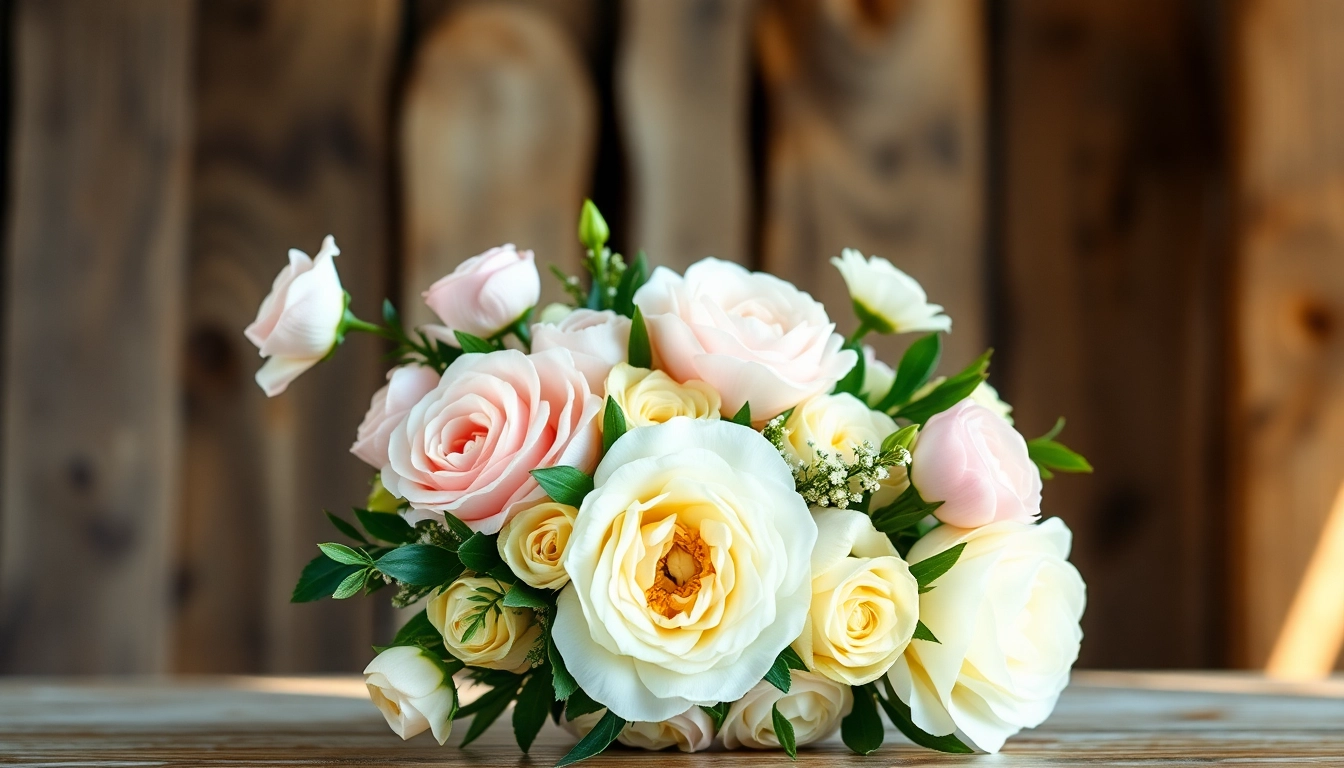
- Roses: The classic symbol of love, roses are timeless and come in a myriad of colors, making them a versatile choice for any wedding theme.
- Lilies: Known for their elegance, lilies symbolize purity and commitment. They stand out beautifully in floral arrangements.
- Peonies: With their lush blooms, peonies offer a romantic and soft look, perfect for spring and summer weddings.
- Sunflowers: Great for rustic weddings, sunflowers symbolize adoration and are a cheerful option for fall celebrations.
- Tulips: Available in numerous colors, tulips lend a simple yet elegant aesthetic to any bouquet or centerpiece.
When choosing your flowers, select those that not only fit your color scheme but also resonate emotionally with you and your partner.
Choosing Seasonal Blooms
Sticking to seasonal blooms can significantly impact your wedding's budget and overall look. Seasonal flowers are more readily available and tend to be less expensive, offering vibrant freshness and a connection to the time of year you are celebrating. For instance:
- Spring: Look for tulips, daffodils, and peonies.
- Summer: Choose vibrant sunflowers, roses, and daisies for a colorful look.
- Fall: Incorporate rich-toned chrysanthemums, dahlias, and seasonal foliage.
- Winter: Opt for classy options like calla lilies and amaryllis, embellished with evergreen.
Utilizing seasonal flowers not only enhances your wedding's theme but also contributes to sustainable practices in floristry.
Symbolism of Popular Wedding Flowers
Flowers convey emotions and symbolize sentiments integral to wedding ceremonies. Understanding these meanings can help guide your selections:
- Roses: Symbolize love and passion.
- Orchids: Represent beauty and strength.
- Daisies: Denote innocence and purity.
- Hydrangeas: Symbolize heartfelt emotion and gratitude.
- Carnations: Often represent admiration and a love that lasts through time.
By including flowers with meaningful symbolism, you deepen the emotional resonance of your wedding day.
Planning Your Wedding Flowers
Once you've identified the types and meanings of your desired flowers, the next step involves planning. This includes budgeting, consultations, and timelines.
Determining Your Budget
Creating a budget for your wedding flowers is essential to avoid overspending. Consider the following factors:
- Size of the Wedding: Larger weddings may require more flowers, impacting the total cost.
- Florist Fees: Professional florists charge varying fees based on their expertise and the complexity of your arrangements.
- Flower Types: Some flowers are more expensive than others based on rarity and season.
- Delivery and Setup Costs: Factor in any additional costs related to transporting or setting up your flowers at the venue.
By defining a clear budget, you can make informed decisions that fit your vision without financial strain.
Setting Up Consultations with Florists
Consultations with florists are vital to realizing your floral vision. When preparing for your meeting:
- Bring Inspiration: Collect images, creativities, and color palettes that reflect the theme you envision.
- Be Honest About Your Budget: Share your budget upfront so your florist can tailor recommendations accordingly.
- Ask Questions: Understand their offerings, delivery options, and how they handle any issues that may arise.
- Request Samples: Whenever possible, request visual or physical samples of the proposed arrangements to gauge their style.
Building a rapport with a florist you trust allows for collaborative creativity, ensuring they bring your vision to life.
Creating a Floral Timeline
A floral timeline assists in seamlessly integrating flowers into your wedding plans. Key milestones might include:
- Initial Consultations: Aim for this at least 6-8 months before your wedding.
- Finalizing Selections: Confirm your flower choices & designs 3-4 months prior.
- Delivery Arrangements: Coordinate the delivery day, ensuring everything aligns with your wedding schedule.
- Post-Wedding Plans: Decide if you'd like to preserve your bouquet or donate flowers to a local charity.
Ensuring your timeline is realistic and organized reduces stress as you approach your wedding day.
Designing Floral Arrangements
With your flowers selected and plans in place, focus on the aesthetic appeal of your arrangements. This section covers popular designs and insights into DIY options versus hiring professionals.
Popular Wedding Flower Arrangements
Strategically designed arrangements elevate the overall ambiance of the event. Here are popular arrangements to consider:
- Bridal Bouquets: These are the crowning glory of a bride's attire. They should complement her dress and personal style.
- Centerpieces: Tablescapes setting the mood for guests. From high to low arrangements, consider scale and seasonality.
- Altar Arrangements: This is the focal point of the ceremony and can set a striking backdrop for vows.
- Boutonnieres and Corsages: Smaller floral accents that add a polished touch to the attire of family members and the wedding party.
Your arrangements should reflect both your personal style and the character of your wedding, creating a cohesive look throughout.
Using Greenery and Accessories
Incorporating greenery and unique accessories can enhance floral designs while adding textural diversity. Consider these additional elements:
- Greenery: Eucalyptus, ferns, and ivy can add dimensions and a rich feel to arrangements.
- Ribbons and Fabrics: These can introduce softness and elegance, tying bouquets and centerpieces together.
- Lighting: Experiment with string lights or colored uplighting to amplify floral color tones and set the mood.
Utilizing complementary elements creates visual interest and adds to the overall elegance of your floral design.
DIY vs. Professional Florist
Deciding between DIY arrangements and hiring a professional florist can significantly impact your floral experience. Evaluate the following:
- Skills and Experience: If you have floral arranging skills, DIY could be a rewarding challenge. If uncertainties arise, lean towards a professional.
- Time Commitment: Arranging flowers can be time-consuming, especially leading up to the event. Professional florists streamline this process.
- Cost Considerations: Weigh the cost of purchasing flowers versus the fees associated with hiring a florist.
Your decision should align with your vision, budget, and ability to execute or delegate.
Maintaining Wedding Flowers
To ensure your flowers look stunning on the big day and beyond, it’s essential to prioritize their care. This section will guide you on maintaining freshness.
Care Tips for Fresh Flowers
The proper care of fresh wedding flowers dramatically affects their longevity. Here are some best practices:
- Water: Always keep stems in water until the moment of using them, as hydration is critical.
- Temperature: Store flowers in a cool location to prevent wilting and discoloration.
- Trim Stems: Cutting the stems diagonally before placing them in water allows better absorption.
- Remove Lower Leaves: Ensure no leaves are submerged in water to prevent bacterial growth.
Implementing these care strategies helps maintain the health of your wedding flowers throughout the preparations and the ceremony itself.
Keeping Your Bouquet Fresh on the Day
On your wedding day, your bouquet’s freshness is paramount. Here are methods to maintain it:
- Hydration: Have your bouquet placed in fresh water until the moment you walk down the aisle.
- Wrap Conditionally: Utilizing a wet cloth on the stem with a sealer can keep moisture locked in.
- Cool Conditions: Keep your bouquet in a cool area during photoshoots to prevent wilting.
Taking these simple precautions ensures that your bouquet stays beautiful for every photo and moment.
Post-Wedding Preservation Techniques
After the celebration, preserving your flowers can provide lasting memories of your special day. Options include:
- Drying: Hang bouquets upside down or use silica gel for a more vibrant preservation option.
- Framing: Create a shadow box with dried flowers for a unique art piece.
- Laminating: Press individual flowers in books and laminate them as keepsakes.
Choose a method that aligns with your aesthetic to create lasting reminders of your wedding's beauty.
Common Questions About Wedding Flowers
What types of flowers are optimal for weddings?
The optimal flowers vary widely based on preferences. Roses, peonies, orchids, and lilies are popular choices due to their beauty and symbolism, fitting various themes.
How to pick the right arrangements based on theme?
Consider the color palette and style of your wedding. For instance, rustic themes favor wildflowers and greenery, while glamorous weddings emphasize elegant roses and deep hues.
When should I order my wedding flowers?
Order your flowers at least 6-8 months in advance. This allows ample time for consultations and changes while ensuring availability for your chosen blooms.
Can I reuse flowers for different events?
Absolutely! Many couples choose to reuse floral arrangements from the ceremony at the reception or donate them post-wedding to make a positive impact.
Are artificial flowers a viable option?
Yes, artificial flowers have become increasingly popular and can be customized for lasting arrangements that suit any budget while offering significant seasonal flexibility.