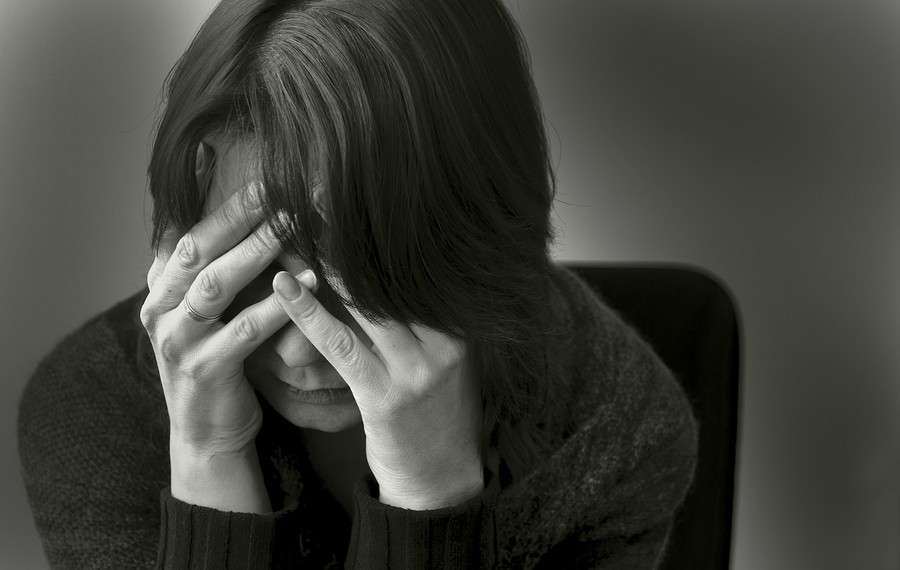
Depression is a mental health disorder that affects millions of individuals worldwide. It is one of the leading causes of disability and can have a profound impact on a person’s emotional, mental, and physical well-being. Depression does not discriminate—it affects individuals of all ages, genders, and backgrounds. Despite its prevalence, many people are unaware of the true extent of Depression symptoms and how to effectively seek help. In this comprehensive article, we will discuss the symptoms of depression, why it is important to recognize them, and the steps individuals can take to seek professional help.
What Is Depression?
Depression is more than just feeling sad or down. It is a complex mental health condition that can cause persistent feelings of hopelessness, worthlessness, and a loss of interest in activities that once brought joy. Depression can affect every aspect of a person’s life, including relationships, work, and physical health. While it may not always be easy to identify, depression is a serious condition that requires attention, treatment, and support.
There are several different types of depression, including:
- Major Depressive Disorder (MDD): Characterized by persistent feelings of sadness, hopelessness, and loss of interest in activities. It is the most common form of depression.
- Persistent Depressive Disorder (PDD): Also known as dysthymia, PDD involves chronic, low-level depression lasting for two years or more.
- Bipolar Disorder: A mood disorder that involves alternating periods of depression and mania (elevated mood and energy levels).
- Seasonal Affective Disorder (SAD): A form of depression that occurs at specific times of the year, usually during the winter months when there is less natural sunlight.
- Postpartum Depression: A type of depression that occurs after childbirth, affecting mothers emotionally and mentally.
- Psychotic Depression: A severe form of depression that includes symptoms of psychosis, such as hallucinations or delusions.
Common Depression Symptoms
Depression manifests itself in various ways, both emotionally and physically. Recognizing the symptoms early is essential for seeking proper treatment. While depression symptoms can vary from person to person, there are common signs to watch out for. These symptoms may occur consistently over a prolonged period and often interfere with daily life.
Emotional and Psychological Symptoms
Emotional and psychological symptoms are among the most noticeable aspects of depression. These symptoms can vary, but common signs include:
- Persistent Sadness: One of the hallmark symptoms of depression is feeling sad, empty, or hopeless for an extended period. This sadness may persist for weeks or even months and may feel like it will never go away.
- Loss of Interest in Activities: Known as anhedonia, this symptom involves a diminished interest in or pleasure from activities that were once enjoyable. Hobbies, work, socializing, and even spending time with family members may no longer bring satisfaction.
- Feelings of Worthlessness or Guilt: Depression can cause individuals to feel like they are inadequate or unworthy. They may have a pervasive sense of guilt, often for things that are not their fault or out of their control.
- Irritability or Frustration: While sadness is a typical emotional response, depression can also cause irritability or frustration. Individuals may become easily upset over small matters, which can strain relationships.
- Difficulty Concentrating or Making Decisions: Depression can affect cognitive function, leading to poor concentration and difficulty in making decisions. This cognitive impairment can impact daily functioning, including work and academic performance.
- Thoughts of Death or Suicide: Severe depression may lead to thoughts of death, self-harm, or suicide. These thoughts are serious and should never be ignored. If you or someone you know is experiencing such thoughts, it is essential to seek help immediately.
Physical Symptoms of Depression
Depression not only affects emotions but also has a significant impact on physical health. These physical symptoms are often overlooked or misattributed to other causes, but they are common signs of depression:
- Fatigue and Low Energy: One of the most common physical symptoms of depression is persistent fatigue or a lack of energy. Individuals may feel completely drained and may struggle to perform even the most basic tasks, such as getting out of bed, dressing, or preparing meals.
- Sleep Problems: Depression often leads to sleep disturbances. Some individuals may experience insomnia, which is the inability to fall asleep or stay asleep, while others may sleep excessively, a condition known as hypersomnia.
- Changes in Appetite and Weight: Depression can lead to significant changes in eating habits. Some people may lose their appetite, leading to weight loss, while others may overeat and gain weight. These changes can be linked to emotional distress and are often a coping mechanism.
- Physical Aches and Pains: People with depression may experience unexplained aches and pains, such as headaches, muscle pain, or back pain. These symptoms are real and should not be ignored.
Cognitive Symptoms of Depression
Cognitive symptoms of depression refer to changes in the way a person thinks and processes information. These symptoms can impair a person’s ability to function in their daily life and contribute to feelings of hopelessness:
- Negative Thinking Patterns: Depression often leads to a pessimistic view of the world. Individuals may have a tendency to think negatively about themselves, their future, and the world around them. This type of thinking can create a cycle of depression, where negative thoughts lead to negative emotions and further exacerbate the condition.
- Impaired Decision Making: Depression can cause difficulty in making decisions. Individuals may feel unsure or indecisive, even about simple tasks, due to a lack of motivation and focus.
- Memory Problems: Depression can lead to memory impairment, such as forgetting important appointments or struggling to remember details. This cognitive dysfunction can affect work and other responsibilities.
- Feelings of Hopelessness: Many people with depression believe that things will never get better. This hopelessness can be a powerful barrier to seeking help or taking steps toward recovery.

How to Seek Help for Depression
If you or someone you know is experiencing symptoms of depression, it is important to seek help. Depression is treatable, but early intervention is key to managing the condition and preventing it from worsening. Here are the steps to take to seek help for depression:
1. Reach Out to a Healthcare Professional
The first step in seeking help for depression is contacting a healthcare professional. A primary care doctor or mental health professional (such as a psychologist or psychiatrist) can assess your symptoms and recommend the best course of treatment.
- Therapy: One of the most effective treatments for depression is talk therapy or cognitive-behavioral therapy (CBT). Therapy helps individuals explore their thoughts, feelings, and behaviors and develop coping mechanisms to manage their depression. Therapy can be done individually, with a group, or even with family members, depending on the type of therapy and personal preferences.
- Medication: In many cases, medication is prescribed to help individuals manage depression symptoms. Antidepressants are commonly used to regulate mood and alleviate symptoms of depression. It is important to work closely with a doctor to find the right medication and dosage. Medication is often used in combination with therapy for the best results.
- Self-Help Resources: Self-help resources such as books, online support groups, and wellness apps can provide additional support for managing depression. These resources often offer strategies for coping with negative emotions, improving sleep, and maintaining healthy habits.
2. Building a Support System
Having a strong support system can make a significant difference in managing depression. Isolation can worsen depression symptoms, so it is important to reach out to loved ones and build a network of support. Whether it’s family, friends, or a support group, talking to others can provide comfort and understanding.
Support groups, both in-person and online, offer a sense of community for individuals with depression. Connecting with others who understand your experiences can provide validation and encouragement. It’s important to remember that you don’t have to go through this alone.
3. Make Lifestyle Changes
Certain lifestyle changes can help improve mental health and manage depression symptoms:
- Exercise: Physical activity is one of the most effective ways to combat depression. Exercise releases endorphins, the body's natural mood elevators, which can help alleviate feelings of sadness and anxiety. Aim for at least 30 minutes of moderate exercise most days of the week.
- Healthy Eating: A balanced diet rich in fruits, vegetables, whole grains, and lean proteins can support mental health. Avoiding excessive caffeine, alcohol, and junk food is also important for maintaining a stable mood.
- Sleep Hygiene: Good sleep hygiene is crucial for managing depression. Try to maintain a consistent sleep schedule, avoid screens before bedtime, and create a relaxing bedtime routine.
- Mindfulness and Relaxation: Practices such as meditation, yoga, and deep breathing exercises can help reduce stress and improve mood. These practices promote relaxation and mindfulness, allowing individuals to focus on the present moment and reduce negative thinking.
4. Consider Alternative Therapies
In addition to traditional therapies, alternative treatments may also be beneficial for managing depression:
- Light Therapy: For individuals with Seasonal Affective Disorder (SAD), light therapy can help alleviate symptoms. Exposure to bright light, particularly in the winter months, can help regulate mood and sleep patterns.
- Acupuncture: Some studies suggest that acupuncture may help reduce depression symptoms by stimulating certain points on the body that regulate mood.
- Massage Therapy: Massage therapy may help reduce stress and promote relaxation, providing relief from physical tension and emotional distress.
5. Know When to Seek Immediate Help
If depression symptoms are severe or involve thoughts of self-harm or suicide, immediate professional intervention is necessary. Crisis hotlines, therapists, and mental health centers can provide support during critical times. If you or someone you know is in immediate danger, please seek emergency help by calling 911 or visiting a hospital.
Conclusion
Depression is a serious and pervasive mental health condition that can have a profound impact on every aspect of a person’s life. Recognizing the symptoms of depression is the first step toward seeking help and managing the condition effectively. Whether through therapy, medication, lifestyle changes, or support from others, it is possible to overcome depression and improve mental well-being. Remember, you are not alone in this journey, and there is always support available to help you navigate the path to recovery. We update our homepage regularly with new features and highlights.
FAQs
What are the most common depression symptoms?
Common depression symptoms include persistent sadness, loss of interest in activities, changes in appetite or sleep patterns, fatigue, feelings of worthlessness, difficulty concentrating, and thoughts of death or suicide.
Can depression be treated without medication?
Yes, depression can be treated without medication through therapy, lifestyle changes, and self-help resources. However, in some cases, medication may be necessary to help manage symptoms effectively. It's important to work with a healthcare professional to determine the best treatment plan.
How long does it take to recover from depression?
The recovery time for depression varies from person to person. Some individuals may begin to feel better within a few weeks, while others may take longer. With the right treatment and support, many people can manage their depression and lead fulfilling lives.
Contact Us:
Name: Calm Minds Hub
Address: London Eye, Riverside Building, County Hall, Westminster Bridge Rd, London SE1 7PB, United Kingdom
Website:https://calmmindshub.com/