Understanding PPF Winter Road Salt Protection
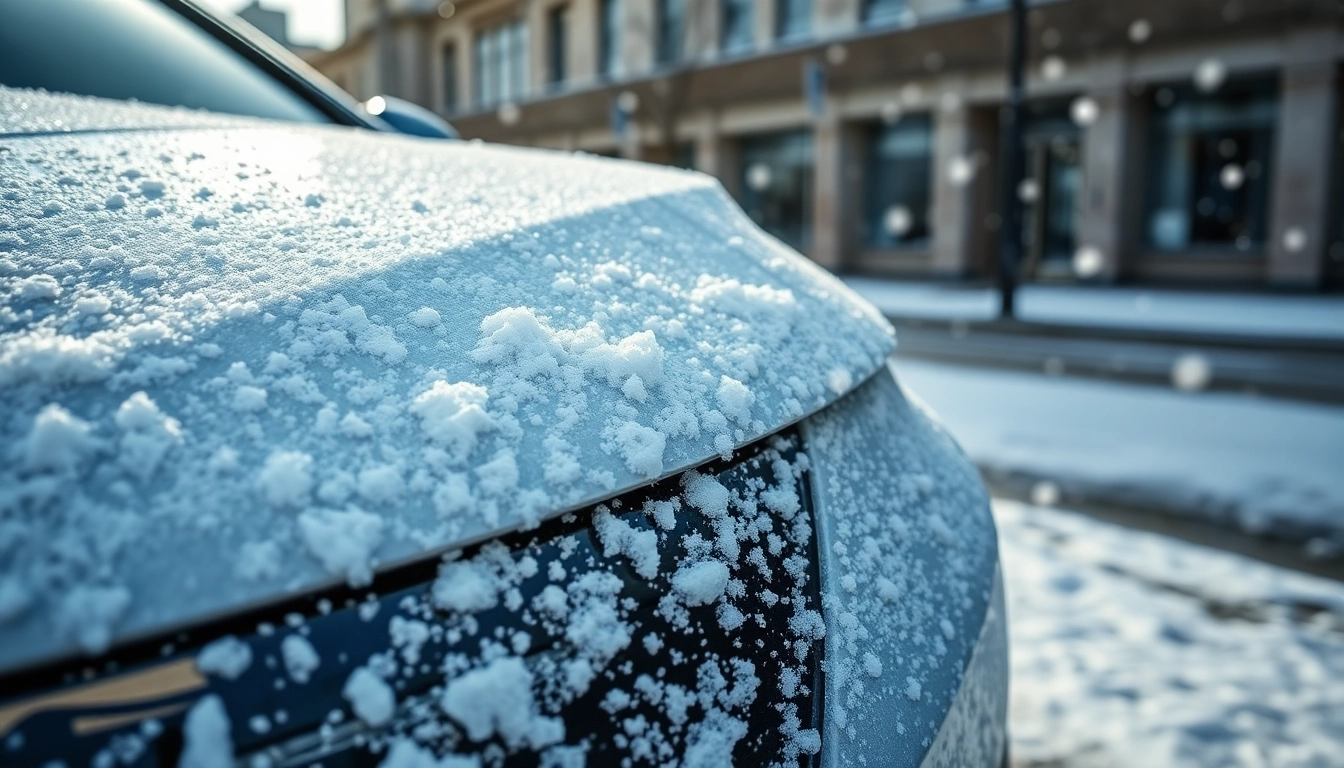
When winter arrives, a significant threat to vehicle exteriors emerges: road salt. This corrosive agent, used to keep our roads safe, can cause significant damage to the paint and body of your vehicle. To combat this, PPF winter road salt protection has become a popular solution among vehicle owners. In this article, we delve into the intricacies of Paint Protection Film (PPF) and how it can preserve your car's aesthetic and longevity during the harsh winter months.
What is PPF and its Benefits?
Paint Protection Film, commonly known as PPF, is a transparent polyurethane film designed to shield vehicle exteriors from debris, scratches, and environmental hazards. The main benefits of PPF include:
- Scratch Resistance: PPF acts as a sacrificial layer that absorbs minor scratches and impacts.
- UV Protection: It safeguards the paint from harmful ultraviolet rays, preventing fading and oxidation.
- Self-Healing Properties: Some advanced PPF products can heal minor abrasions when exposed to heat, maintaining a flawless appearance.
- Ease of Maintenance: PPF simplifies the cleaning process by providing a smooth surface that repels dirt and grime.
How Does PPF Protect Against Road Salt?
Road salt can be extremely damaging due to its chemical composition which accelerates corrosion. PPF serves as a barrier between the salt and the vehicle's paint. Here’s how it combats the effects of road salt:
- Prevents Direct Contact: By covering the paint, PPF prevents salt from directly contacting the vehicle’s surface.
- Moisture Resistance: PPF creates a hydrophobic barrier that repels moisture, reducing the chances of corrosion.
- Durability Under Stress: Designed to withstand the pressures of winter driving, high-quality PPF products resist chipping from salt crystallization.
Long-term Advantages for Vehicle Owners
The long-term benefits of using PPF go far beyond just winter protection. Vehicle owners might experience:
- Increased Resale Value: A well-maintained exterior with PPF can significantly enhance the resale value of a vehicle.
- Cost Savings: Protecting paint from winter damage can save on repainting and repair costs in the future.
- Longevity of Exterior Finish: PPF maintains the vibrancy of the paint for years, which enhances the overall appeal of the vehicle.
Choosing the Right PPF for Winter Conditions
With various PPF options available, selecting the right one for winter conditions is crucial. Understanding the differences can help vehicle owners make informed decisions.
Types of PPF Suitable for Winter
There are mainly two types of PPFs suitable for winter:
- Standard PPF: Offers essential protection and is great for everyday use.
- Self-Healing PPF: This operates under heat and is excellent for maintaining aesthetics while providing enhanced protection from road salt and other winter debris.
Thickness and Durability Ratings
The thickness of the PPF directly correlates with its durability. Most PPFs range from 6 to 12 mils in thickness. Here's a breakdown:
- 6-8 Mils: Provides basic protection suitable for everyday driving.
- 10-12 Mils: Offers superior protection for harsh climates and road conditions, making it ideal for winter use.
Cost vs. Performance Considerations
While PPF can be an investment, assessing the cost versus performance is essential. Higher quality PPFs might have a higher initial cost but will provide better protection, longevity, and savings on repairs over time.
Application Process of PPF in Winter
Understanding the application process of PPF can ensure that vehicle owners achieve optimal results. Here are the key steps involved:
Pre-Installation Requirements
Before applying PPF, a few steps should be taken to guarantee a successful process:
- Thorough Cleaning: The car must be washed and polished to remove any dirt or contaminants.
- Temperature Control: Ensure the application area is warm enough, between 60°F to 90°F, to allow proper adhesion.
Professional vs. DIY Installation
While DIY PPF installation is possible, professional installation is often recommended for ensuring seamless application. Professional installers possess the right tools and experience to handle complex curves and edges, reducing the chances of bubbles and peeling.
Post-Application Care and Maintenance
After PPF installation, it’s crucial to follow specific care instructions to prolong its lifespan:
- Avoid Waxing: For the first month post-installation, avoid waxing the vehicle as it can interfere with film adhesion.
- Regular Washes: Keep the surface clean, but be gentle—avoid harsh chemicals or automated car washes.
Real-World Use Cases of PPF Winter Road Salt Protection
Understanding how PPF works in real-life scenarios can provide valuable insights for potential users.
Case Studies from Vehicle Owners
Many vehicle owners have shared their positive experiences after applying PPF. For instance, after a harsh winter, one owner noted no visible corrosion or paint damage, attributing this success to the protective film.
Performance Comparisons with Other Coatings
PPF has been shown to outperform traditional waxes and ceramic coatings in terms of long-term protection against road salt. Users often find that PPF combined with proper maintenance offers superior durability and performance.
Common Misconceptions About PPF
There are several misconceptions about PPF that need addressing:
- PPF is Too Expensive: While the initial cost is higher than other protective options, the longevity and effectiveness can make it a worthwhile investment.
- PPF is Visible: Modern PPFs are virtually invisible when installed correctly, preserving the original look of the vehicle.
Frequently Asked Questions About PPF
How long does PPF last in winter?
Typically, PPF can last up to 5-10 years, depending on the quality of the film and maintenance. Regular care extends its life, especially in severe winter conditions.
Can I wash my car after applying PPF?
Yes, but it’s recommended to wait at least a week before using automatic car washes or harsh chemicals. Hand washing is preferable during this time.
Is PPF worth the investment?
Yes, PPF is worth the investment for the protection and maintenance benefits it offers. It can prevent costly repairs from road salt and environmental damage.
How to remove PPF without damage?
To safely remove PPF, heat the film gently with a heat gun or hairdryer and slowly peel it back. If needed, a specialized adhesive remover can assist in the process.
What maintenance is required for PPF?
Maintenance is minimal. Regular gentle washing is recommended along with avoidance of abrasive products or treatments to ensure durability and appearance.