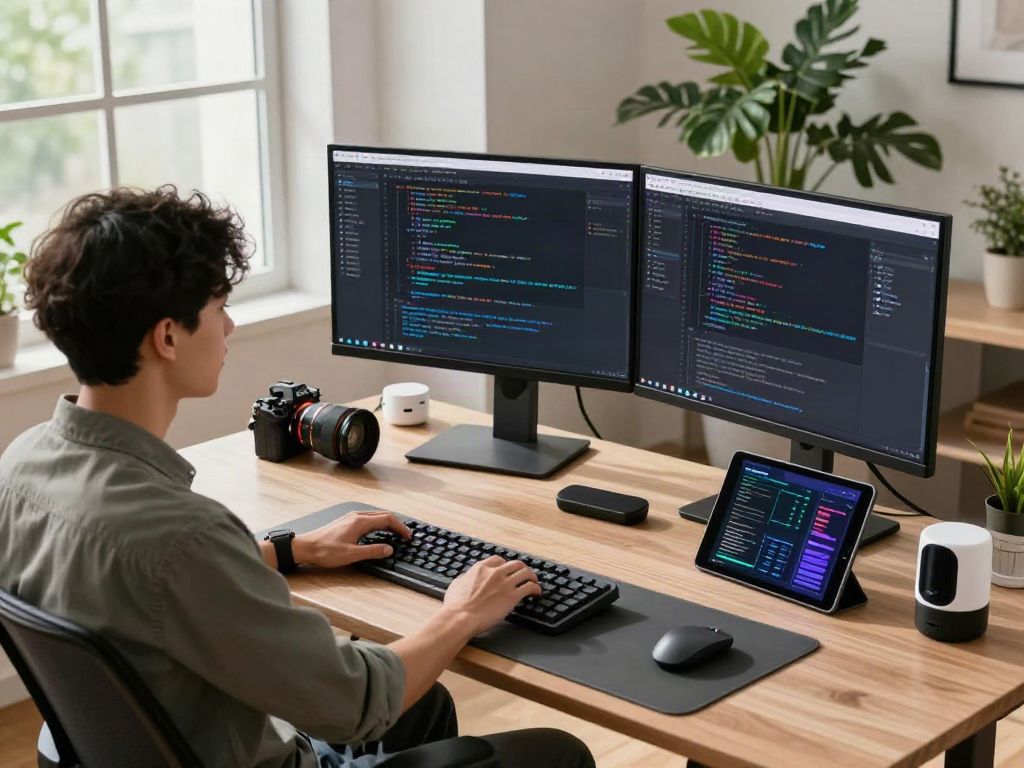
Understanding the Basics of Video Capture
What is Video Capture?
Video capture refers to the process of recording moving visual images. This can involve various forms of technology, ranging from simple smartphones to advanced cameras used in professional settings. The primary goal of video capture is to document moments, convey narratives, or share information visually. Whether for personal or commercial use, understanding the fundamentals of video capture is essential for producing high-quality content. As we delve deeper into this topic, we will explore how you can optimize your video capture techniques.
Key Equipment for Quality Video Capture
To achieve superb quality in your video capture, the right equipment is crucial. Here's a breakdown of essential tools:
- Cameras: Depending on your project, you might choose between DSLRs, mirrorless cameras, or camcorders. Each offers different features suited to various shooting scenarios.
- Microphones: Audio quality is as important as image quality. Consider lapel mics for interviews, shotgun mics for directional audio, or shotgun mics for broader sound capture.
- Tripods and Stabilizers: Stability is key in video capture. Invest in sturdy tripods and gimbals to prevent shaky shots, creating a professional look.
- Lighting Kits: Proper lighting enhances video quality significantly. Softbox lights, LED panels, or ring lights can illuminate your subject effectively.
- Editing Software: Post-production software like Adobe Premiere Pro or Final Cut Pro can polish your footage, adding effects and transitions for a more engaging final product.
Essential Techniques for Beginners
As a beginner, mastering some basic techniques is vital to improve your video capture skills:
- Framing: Learn the rule of thirds to create visually appealing compositions by positioning key subjects along intersecting lines.
- Focus: Ensure your subject is sharply in focus throughout the video. Manual focus is often more reliable than automatic.
- Angles: Experiment with different angles—high, low, or side views— to add variety to your shots and maintain viewer interest.
- Storytelling: Plan your content. Understand the narrative and structure before you start filming. A clear story helps guide your video capture process.
- Practice: Continually experiment and practice. The more you shoot, the more you'll understand your equipment and the nuances of video capture.
Choosing the Right Environment for Video Capture
Indoor vs Outdoor Settings
Your choice of environment significantly affects the quality of your video capture. Indoor settings provide control over lighting and sound but may feel restrictive. Outdoor environments offer dynamic backdrops and natural light, but elements like wind and changing weather can pose challenges. Choose an environment that best fits your project, keeping in mind the narrative you intend to convey.
Lighting Considerations for Video Capture
Lighting shapes the look and feel of your video. For indoor shoots, soft diffused lights can eliminate harsh shadows. Use natural light whenever possible, especially for outdoor settings. If shooting indoors, positioning your subject near windows can enhance your video quality significantly. Always aim to have the light source facing the subject to avoid backlighting.
Acoustics and Their Impact on Video Quality
Good acoustics play a pivotal role in video capture, especially for dialogue-driven content. Echoing rooms can detract from audio clarity. Use rugs, curtains, and acoustic panels to absorb sound and improve acoustics. For outdoor shoots, pick a quieter location away from background noise to maintain focus on your subject. Consider wind and other environmental sounds that might interfere with clarity.
Advanced Video Capture Techniques
Creative Angles and Perspectives in Video Capture
Injecting creativity into your angles and perspectives can elevate your video capture. A high-angle shot can make the subject appear smaller, while a low-angle shot can create a sense of power and authority. Incorporate creative transitions between different perspectives to keep the audience engaged and convey your narrative more dynamically.
Editing Techniques to Enhance Video Capture
Post-production is where your captured footage truly comes to life. Editing allows for the removal of unwanted shots, sharpens the focus, and adjusts the lighting. Consider adding music or sound effects that elevate emotional responses. Use seamless transitions between scenes and color correction to ensure a cohesive look. Be careful not to over-edit, which can distract from your original video capture.
Integrating Audio for Impactful Video Capture
Audio can be as important, if not more so, than visual elements in your video capture. Integrate background music, sound effects, and voiceovers to enhance the narrative experience. When recording, use quality microphones and ensure the environment is as quiet as possible to minimize interruptions. Balance audio levels during editing to ensure clarity and prevent any audio peaks.
Common Challenges in Video Capture and How to Overcome Them
Dealing with Unexpected Interruptions
Unexpected interruptions are common during video capture. They can stem from anything—from feedback during an interview to unforeseen weather changes. Planning for contingencies, like shooting additional footage or having backup locations, can help mitigate these disruptions. Keep a calm demeanor and adapt to the circumstances as they arise.
Handling Technical Difficulties During Video Capture
Equipment failure can derail your video capture efforts. Preparations should include checking all devices beforehand, having backup equipment ready, and being familiar with troubleshooting common issues. Know how to analyze and swiftly resolve problems, ensuring a smooth filming process. Understanding your tools will empower you to minimize downtime.
Maintaining Focus and Engagement in Long Sessions
Long filming sessions can lead to fatigue affecting focus and creativity. Structure your sessions into shorter segments with breaks in between, allowing time to recalibrate and stay energized. Engage your subjects with lively discussions and variations in shots to keep sessions dynamic. Remember to provide clear direction to maintain professionalism without sacrificing natural interaction.
Measuring Success in Your Video Capture Projects
Analyzing Viewer Engagement and Feedback
Understanding how your audience engages with your videos is crucial for measuring success. Track metrics such as view counts, watch time, and engagement rates through platforms where your videos are hosted. Gathering viewer feedback through comments, surveys, or social media interactions can provide valuable insights into what resonated with your audience.
Improving Future Projects Based on Metrics
Use the data you collect to refine your approach to video capture. Identifying which elements worked well and which didn’t allows you to focus efforts on successful strategies. Consider making adjustments to content length, style, or themes based on audience preferences to enhance future video projects.
Building a Portfolio of Your Best Video Capture Work
A strong portfolio showcases your video capture capabilities and attracts potential clients or collaborators. Include a range of projects that highlight your skills—such as storytelling, technical proficiency, and creative approaches. Regularly update your portfolio to reflect your evolving style and expertise. Sharing your best work online can also enhance your visibility and reach.
FAQs about Video Capture
What is the best camera for video capture?
The best camera largely depends on your budget and intended use. For beginners, a DSLR or mirrorless camera offers great flexibility and quality.
How can I improve audio quality in my videos?
Using external microphones and recording in quiet locations can significantly improve audio quality. Always monitor audio levels during recording.
What role does lighting play in video capture?
Lighting is crucial as it affects the visibility and mood of your video. Natural light and soft diffused lighting lead to high-quality visuals.
How often should I update my video capture equipment?
Upgrading your equipment should be based on your evolving needs and technology advancements. Regular assessment every few years is advisable.
What are some common editing mistakes to avoid?
Avoid excessive cuts, overusing effects, or poor audio balance. Keep edits fluid and strive for consistency to maintain viewer engagement.