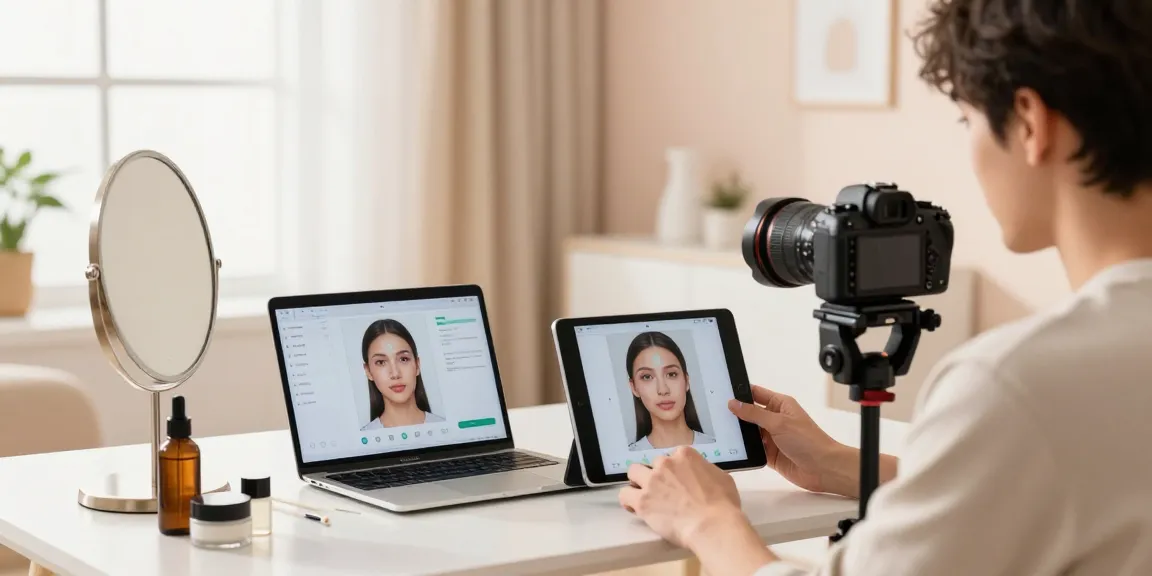
Understanding Facial Age Estimation Technology
In today’s digital world, the phrase how old do i look is becoming increasingly relevant, allowing individuals to explore perceptions of age through advanced technology. With the advent of artificial intelligence (AI), various tools now enable users to analyze their facial features and get an estimate of their perceived age. These innovations not only satisfy curiosity but also serve as a fascinating intersection of technology and personal identity.
What Is Facial Age Estimation?
Facial age estimation refers to the process of predicting a person's age based on analysis of their facial features. This estimation typically relies on facial recognition algorithms that assess specific characteristics such as skin texture, wrinkles, and facial structure. Utilizing deep learning techniques, these algorithms can process vast amounts of data, making them increasingly accurate at discerning biological age from facial appearances.
The Science Behind Age Detection Algorithms
Age detection algorithms harness machine learning and neural networks to recognize patterns associated with aging. They are trained on extensive datasets comprising images of individuals of varying ages, allowing the models to learn how to correlate certain facial markers with specific age groups. Features such as fine lines, sagging skin, and pigmentation changes are all analyzed to create a comprehensive age profile.
How Accurate Are These Technologies?
The accuracy of facial age estimation technologies can vary widely based on the algorithm used and the quality of the input image. Generally, many AI models can estimate age within a range of 2 to 5 years, depending on how representative the training data is of real-world conditions. Factors such as lighting, facial obstructions (like glasses or hats), and even emotions expressed in the image can affect the output. This inherent variability underscores the importance of understanding the limitations accompanying such technologies.
Popular Tools to Find Out How Old You Look
Top Online Services and Apps
There is a plethora of online services and mobile applications available for those curious to know their perceived age. Some of the most popular options include:
- FaceAge.ai: This platform allows users to upload a photo for an AI-powered age estimation that is fast and secure.
- Fotor: Known for its user-friendly interface, Fotor provides a free online age guesser that analyzes skin condition to generate results.
- BeautyPlus: This face age detector offers quick analysis of age based on uploaded photographs.
- Longevity Germany: Users can either upload a photo or engage in a live scan to receive instant age feedback.
Comparing Features and Accuracy
While numerous tools provide similar functionalities, differences often lie in the accuracy, user experience, and additional features offered. For instance, some services may include an option for users to receive skincare advice based on the age estimation results, while others focus solely on providing the age estimate. A careful comparison of reviews and features can guide users towards finding the tool that best serves their needs.
User Experiences and Reviews
User feedback plays a crucial role in understanding the effectiveness of these age estimation tools. Common themes in reviews include frustration over inaccuracies combined with delight in the fun aspect of using these apps. Users often share their experiences on social platforms, contributing to a growing community that discusses the merits and drawbacks of various age estimation technologies.
Maximizing Results with Facial Analysis Tools
Best Practices for Photo Submission
To achieve the most accurate facial age estimation results, following best practices for photo submission is essential. Here are several tips:
- Ensure good lighting without harsh shadows.
- Avoid makeup or filters that could obscure natural features.
- Use a clear, high-resolution image where the face is prominently displayed.
- Keep the face free of obstructions to allow the algorithm to analyze the facial structure effectively.
Understanding Results: What Do They Mean?
Interpreting the results from age estimation tools requires an understanding of what specific features led to the given age recommendation. Most tools provide insights into the attributes contributing to the perceived age, which can help users gain a better understanding of their skin health and aging signs.
Improving Your Accurate Age Representation
Your facial appearance can be influenced by several factors, including skincare, hydration, and lifestyle choices. By maintaining a consistent skincare routine and adopting habits that promote overall health, individuals can work towards achieving a younger appearance, potentially altering the results they receive from age estimation tools.
Common Misconceptions About Age Estimation
Debunking Myths Surrounding Age Detection Technology
There are several myths regarding age estimation technology that need to be addressed. For one, many people assume that these tools can determine actual age with complete accuracy, which isn't the case. The algorithms provide estimates based on patterns and trends rather than definitive age markers.
Understanding Limitations of Current Technologies
Despite their advancements, facial age estimation technologies have limitations. They may not account for genetic factors, lifestyle choices, or even the cultural context of aging, which can lead to skewed results. Thus, results should be taken with a grain of caution, especially when making personal assessments based on them.
When to Trust the Results and When to Question Them
While it can be tempting to trust the output of these tools fully, it is crucial to consider various factors that might influence the results. Context matters; for example, consider if the image used is current and accurately represents your everyday appearance. If significant discrepancies exist, questioning the results becomes necessary.
Future Trends in Age Estimation Technology
What to Expect in 2026 and Beyond
As technology continues to evolve, the future of age estimation looks promising. Expect more sophisticated algorithms that can provide personalized skin care recommendations or even predict health outcomes based on facial analysis, enabling greater insights into aging patterns.
Advancements in AI and Machine Learning
The integration of more robust AI and machine learning frameworks will likely enhance the accuracy and adaptability of age estimation tools. As data collection becomes more intricate, these systems will learn from new patterns, improving their predictive capabilities over time.
Ethical Considerations in Age Estimation Technologies
With the rise of facial analysis technology, ethical considerations regarding privacy and data security become increasingly significant. Developers and users alike need to engage with these tools responsibly to ensure that personal data is handled securely and ethically while enjoying the benefits that come with the technology.
What methods can I use to check how old I look?
Various methods, including online age estimation tools and mobile apps, allow individuals to evaluate their perceived age. Uploading a recent photo to these platforms can yield fun and enlightening results.
Are online age estimators accurate?
While many online estimators provide reasonably accurate results, their precision can be influenced by various factors, including the quality of the photo and the algorithms used by the specific service. Users should understand this variability.
How do I interpret the results from age estimation tools?
Results from age estimation tools typically come with insights regarding facial features contributing to the estimated age. Understanding these aspects can help users interpret the results more effectively.
Can skincare affect the age estimation results?
Yes, a consistent skincare routine and healthy lifestyle choices can positively affect the way you appear in photos, potentially leading to younger age estimations in analysis tools.
What are the risks of using facial age analysis applications?
While engaging with age analysis applications is generally fun, risks include privacy concerns regarding photo usage and the emotional impact of receiving an unfavorable age estimate. Being mindful of these aspects ensures a more pleasant experience.