Understanding Structural Steel Installation
Structural steel installation is a critical component in the construction industry, primarily due to its strength, durability, and versatility. This process involves assembling steel components to create frameworks for various structures, including residential, commercial, and industrial buildings. Structural steel installation is pivotal in modern architecture, enabling engineers and architects to design tall buildings and expansive structures that stand the test of time. In this article, we will explore the nuances of structural steel installation, from the importance of structural steel in modern architecture to the challenges faced during installation, examining best practices and future trends along the way.
The Importance of Structural Steel in Modern Architecture
Structural steel has revolutionized modern architecture and construction techniques. Historically, structures were primarily built using wood, brick, or stone, which limited design possibilities. With the introduction of steel, architects can design lighter, taller, and more complex structures without compromising safety or stability.
Steel's high strength-to-weight ratio allows for larger open spaces in a building, reducing the need for numerous support columns. This feature is particularly significant in modern skyscrapers, where maximizing the usable floor space is crucial. Additionally, structural steel is resistant to many environmental factors, such as termites or rot, that commonly affect wooden structures, resulting in longer-lasting buildings with reduced maintenance costs.
Furthermore, with steel being recyclable, structural steel installation contributes to more sustainable building practices, aligning with the increasing demand for environmentally responsible construction.
Common Types of Structural Steel Components
Various components make up structural steel systems, each serving a specific purpose in the overall design. Understanding these components is essential for successful installation:
- Beams: Horizontal structural elements that support vertical loads.
- Columns: Vertical structures that support beams and transfer loads to the foundation.
- Trusses: Frameworks designed to support loads in a triangular configuration, useful for roofing and bridging.
- Girders: Large beams that support smaller beams and distribute loads across a structure.
- Purlins: Horizontal beams that support the roof deck, often used in conjunction with steel sheathing.
Basic Principles of Structural Steel Installation
The installation of structural steel involves several key principles that ensure safety and effectiveness throughout the process:
- Pre-Installation Planning: Adequate planning prior to installation is vital. This includes engineering assessments and creating detailed installation drawings.
- Workforce Training: Accredited and skilled labor teams are critical to ensuring safe practices during installation.
- Use of Appropriate Equipment: The installation process requires specialized equipment, including cranes and hoists, tailored to the specific load requirements and layout of the site.
- Strict Adherence to Safety Protocols: Compliance with established safety measures is mandatory to protect the workforce and timeline against accidents.
Planning for Successful Structural Steel Installation
Pre-Installation Site Assessments and Preparation
Before beginning any structural steel installation, a thorough site assessment is necessary. This assessment involves several steps:
- Site Evaluation: Inspect the land to identify potential hazards, soil conditions, and infrastructure challenges.
- Utility Mapping: Ensure all existing utilities are marked and weigh their impact on the installation process.
- Access Planning: Determine the best routes for equipment and material delivery, while considering site constraints.
Securing Necessary Permits and Compliance
Different jurisdictions have unique regulations concerning steel installation. Understanding regional building codes and securing necessary permits is crucial. This process includes:
- Researching Local Regulations: Every area has specific codes that govern construction. It's essential to consult with local authorities.
- Submitting Detailed Plans: Following the guidelines set out by local regulations ensures streamlined approval processes.
Creating Effective Project Timelines
Creating a timeline is essential to keep the project on track and within budget. A well-structured timeline should include:
- Milestones: Key deadlines for different phases of the project, including fabrication, delivery, and installation.
- Contingency Plans: Allowing flexibility to adjust timelines in response to unexpected delays or challenges.
Best Practices in Structural Steel Installation
Innovative Techniques for Erecting Steel Frames
The methods employed during the installation of structural steel have evolved significantly in response to both technological advances and increased project demands. Some innovative techniques include:
- Use of 3D Modeling: Building Information Modeling (BIM) enables better visualization of the project, allowing for precise planning and reducing errors.
- Modular Construction: Prefabricating sections off-site can lead to faster installation times and less waste on-site.
- High-Precision Equipment: Utilizing machine learning and automated tools increases accuracy and efficiency during assembly.
Safety Protocols During Installation
Safety cannot be overemphasized in structural steel installation. Best practices to ensure a safe work environment include:
- Personal Protective Equipment (PPE): Instructing all workers to wear appropriate gear like hard hats, gloves, and steel-toed boots.
- Regular Safety Drills: Conducting drills to ensure that all workers understand emergency procedures.
- Clear Communication: Establishing well-defined signals and communication protocols, especially when operating heavy machinery.
Quality Checks and Structural Integrity
Maintaining structural integrity is imperative throughout the installation process. Implement the following practices to ensure quality:
- Regular Inspections: Checking materials upon delivery to confirm compliance with project specifications.
- Testing Connections: Ensure all welded or bolted connections meet standardized requirements through various testing methods.
- Documentation: Keeping detailed records of inspections and quality checks enhances accountability and tracking of the project.
Challenges in Structural Steel Installation
Handling Weather-Related Issues
Weather can have a significant impact on structural steel installation timelines and safety. Common challenges include:
- Rain and Snow: Wet conditions can lead to slippery surfaces and delays in hoisting operations.
- High Winds: Strong winds may impede the operation of cranes and could compromise the safety of workers.
To manage these weather-related challenges, establishing contingency plans that consider site conditions is vital.
Addressing Material Shortages
Material shortages can disrupt project timelines significantly. To mitigate this risk, consider:
- Partnering With Reliable Suppliers: Establishing long-term relationships with suppliers can lead to preferred access to materials.
- Stocking Common Materials: Keeping a supply of frequently used structural components on-site can buffer against shortages.
Collaboration and Communication Challenges
Effective collaboration among various stakeholders is crucial in steel installation projects. Challenges can arise from:
- Disparate Teams: Different contractors may approach tasks differently; regular meetings can help align goals and expectations.
- Communication Breakdowns: Improper channels of communication can lead to misunderstandings. Implementing a project management tool can streamline communication.
Future Trends in Structural Steel Installation
Technological Advancements Impacting Installation
As technology continues to advance, so does its role in structural steel installation:
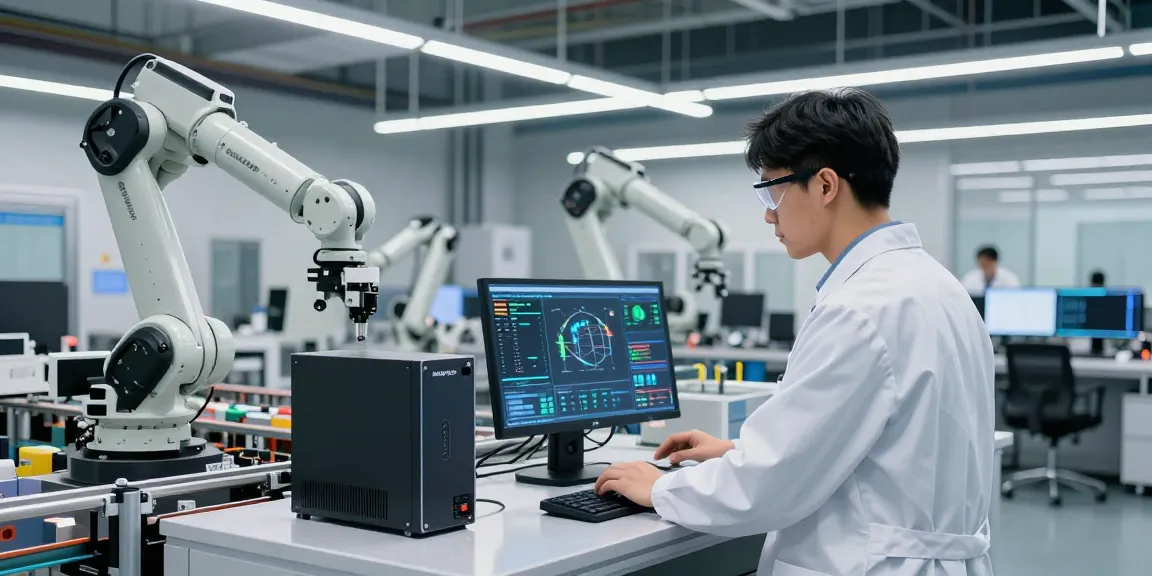
- Robotics in Construction: Automated systems can reduce labor costs and increase safety during repetitive tasks.
- Augmented Reality (AR): AR applications can assist workers on-site by providing real-time information and visualization of the steel components.
Sustainability Practices in Steel Construction
With the global focus on reducing carbon footprints, sustainable practices are becoming mainstream in structural steel installation. This includes:
- Recycled Materials: Sourcing recycled steel can significantly lower the environmental impact of a project.
- Green Building Certifications: Working towards certifications like LEED can enhance market competitiveness and attract eco-conscious clients.
The Role of Prefabrication in Efficiency
Prefabrication is revolutionizing the steel construction industry by:
- Reducing On-Site Construction Time: Elements fabricated off-site can be quickly assembled at the construction site.
- Improving Precision: Module fabrication in controlled environments leads to enhanced quality and consistency.
In conclusion, structural steel installation is not just a technical task; it requires thorough planning, innovative techniques, and a focus on safety and quality. As the industry embraces new technologies and sustainable practices, the future of structural steel will undoubtedly continue to shape the skyline of our cities while ensuring structural integrity and longevity.