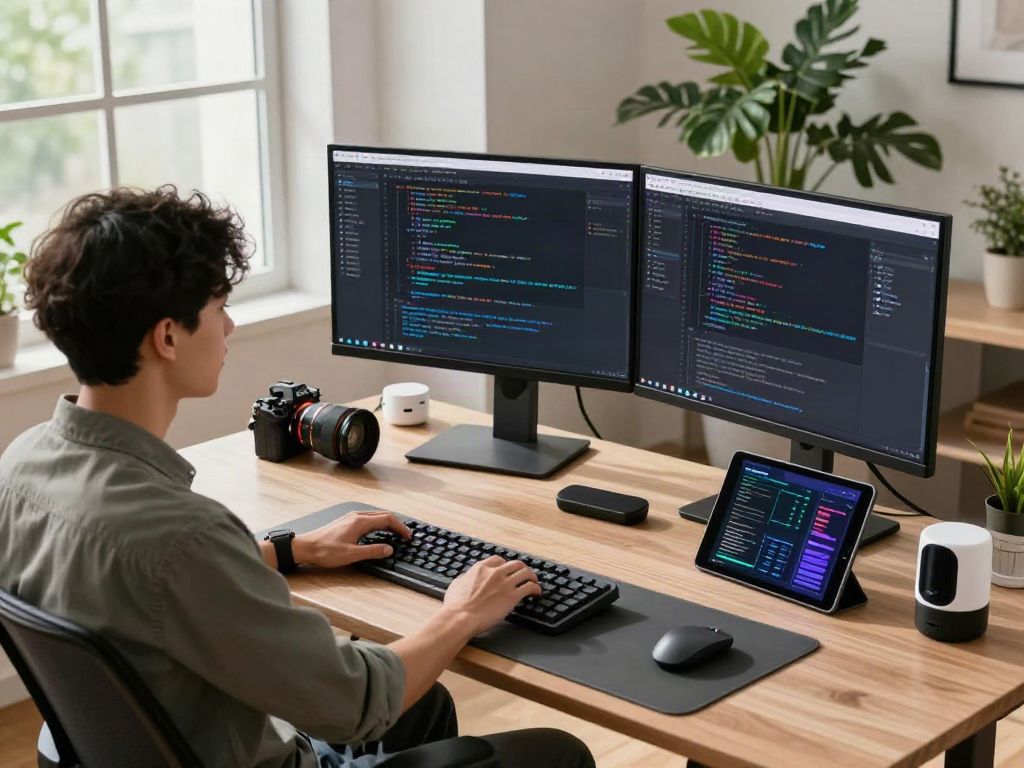
Understanding Video Capture Fundamentals
Video capture is the process of recording moving images, often combined with sound, to create visual content. This technology is pivotal in various fields such as filmmaking, live streaming, and digital marketing. Before delving into the intricacies of video capture, it's essential to understand its underlying principles, the mechanics involved, and the equipment necessary for efficient execution.
What is Video Capture?
Video capture involves converting motion and sound into digital format. This can be achieved through various devices like cameras and microphones, designed to pick up both visual and auditory elements. The process is vital for creating films, documentaries, tutorials, live broadcasts, and online video content. Understanding video capture leads to better content creation that resonates with audiences and serves various marketing and communication objectives.
How Video Capture Works
Video capture starts with a camera that captures images at specific frame rates, typically 24 to 60 frames per second. These frames are then processed and encoded into a format for storage and playback. Sound is captured simultaneously through microphones, which then undergoes similar encoding to sync with the visual elements. Software tools are often employed in this process, helping to calibrate audio-video synchronization, color grading, and more.
Key Equipment for Successful Video Capture
The quality of video capture largely depends on the equipment used. Key tools include:
- Cameras: Options vary from consumer-level DSLRs to professional camcorders.
- Microphones: Types include handheld, shotgun, and lavalier, catering to different recording environments.
- Lighting Equipment: Natural and artificial lights are vital for maintaining clarity and mood.
- Stabilizers and Tripods: Essential for maintaining steady shots during movement.
Choosing the Right Techniques for Video Capture
Selecting appropriate techniques is foundational to achieving engaging content. The right approach can elevate a video from average to outstanding, significantly impacting viewer experience and retention.
Essential Video Capture Techniques
Various techniques can enhance video capture quality:
- Composition: Utilize the rule of thirds to create balanced visuals.
- Lighting Techniques: Employ three-point lighting to enhance depth and focus.
- Vertical and Horizontal Shots: Adapt shot orientation based on intended platform.
Incorporating Movement in Video Capture
Movement plays a crucial role in retaining viewer interest. Techniques may include:
- Panning: Smooth side-to-side movement that helps to keep action centered.
- Dolly Shots: Using a wheeled cart to move the camera closer or further from the subject.
- Tracking Shots: Following subjects as they move to create dynamic footage.
Utilizing Angles and Framing in Video Capture
Camera angles and framing dictate how viewers perceive subjects:
- High Angles: Make subjects appear smaller or less important.
- Low Angles: Create a sense of power or dominance.
- Close-Ups: Capture intricate details, enhancing emotional connection.
Post-Production Tips for Enhanced Video Capture
Post-production is the final stage where video capture reaches its full potential. Editing, effects, and sound design are all pivotal in this phase.
The Importance of Editing in Video Capture
Editing assembles raw footage into a coherent narrative. It involves cutting unnecessary segments, enhancing pacing, and ensuring a fluid narrative flow. Popular software options like Adobe Premiere Pro and Final Cut Pro offer robust tools for this process, allowing creators to mold their narrative effectively.
Color Grading and Visual Effects Techniques
Color grading enhances emotional tone and viewer engagement. Techniques include:
- Corrective Grading: Fix color imbalances caused by lighting issues.
- Creative Grading: Set a distinct mood or style for the footages.
Visual effects must be used judiciously; overuse can detract from storytelling. Subtle effects that support the narrative are far more effective than overwhelming imagery.
Sound Design for Captivating Video Capture
Sound significantly impacts viewer immersion. Effective sound design includes:
- Background Music: Sets the tone and enriches the viewing experience.
- Sound Effects: Heighten emotional responses and realism.
- Voice Over: Used to narrate and enhance storytelling clarity.
Common Challenges in Video Capture and How to Overcome Them
Even seasoned creators face challenges in video capture, from environmental factors to technical issues and budgeting constraints.
Dealing with Environmental Issues in Video Capture
Weather, lighting, and background noise can disrupt shoots. Prepare by scouting locations in advance, carrying portable lighting setups, and using windshields for microphones to enhance audio clarity.
Technical Glitches and Solutions in Video Capture
Technical problems such as equipment malfunctions can be detrimental. Regular maintenance checks and having backup gear are crucial. Familiarity with all equipment can mitigate panic during a shoot.
Budgeting for Efficient Video Capture
Budget constraints often challenge many projects. Prioritize essential gear and consider renting high-end equipment. A well-structured plan can reduce unnecessary expenditures without sacrificing quality.
Measuring Success of Your Video Capture Projects
Success in video capture projects can be gauged through various metrics and feedback mechanisms.
Key Performance Indicators for Video Capture
To assess the efficacy of your videos, track metrics such as:
- View Counts: Indicative of reach and audience interest.
- Engagement Rates: Likes, shares, and comments reflect viewer connection.
- Click-through Rates: Important for videos utilized in marketing strategies.
Feedback and Client Satisfaction in Video Capture
Gathering feedback from clients and audiences helps refine future projects. Surveys, interviews, and performance metrics can guide improvements and adjustments in style or technique.
Continuous Improvement Strategies for Video Capture
Continuous learning is vital for content creators. Engaging in workshops, online courses, and community forums can enhance skills. Analyzing past work and embracing constructive criticism fosters growth and improved video capture quality.
Frequently Asked Questions
What is the best camera for video capture?
The best camera varies by purpose. DSLRs and mirrorless cameras are popular due to their versatility, but dedicated camcorders excel in video capture.
How important is lighting in video capture?
Lighting is crucial for video quality, affecting both clarity and mood. Good lighting enhances detail and professionalism in recordings.
Can I capture good video with a smartphone?
Yes! Modern smartphones have advanced cameras capable of high-quality video capture. Proper techniques and external accessories can enhance results.
What software is best for video editing?
Popular options include Adobe Premiere Pro, Final Cut Pro, and DaVinci Resolve. Each offers distinct features that cater to different editing needs.
How can I improve my video capture skills?
Practice is key! Attend workshops, study successful videos, and solicit feedback to enhance your skills systematically over time.