The Advantages of Using a Microwave Oven
Time-Saving Benefits
In today’s fast-paced world, the Microwave Oven serves as a vital kitchen appliance. One of its most compelling attributes is time efficiency. Traditional cooking methods can take anywhere from 30 minutes to several hours, but with a microwave, you can heat meals in just a fraction of that time. For example, reheating leftovers generally takes 2-5 minutes, while cooking certain foods like vegetables can take as little as one minute, making it the perfect choice for those with busy schedules.
Energy Efficiency
The energy consumption of a microwave is significantly lower compared to conventional ovens. Typically, a microwave uses 600 to 1,200 watts, whereas a regular oven can use about 2,000 to 5,000 watts. This reduced energy consumption not only lowers utility bills but also contributes to a more sustainable lifestyle. Furthermore, because microwaves cook food faster, they generate less heat in the kitchen, which could reduce air conditioning costs in warmer months.
Versatile Cooking Options
Microwave ovens are not only for reheating leftovers or defrosting frozen food; they provide a versatile range of cooking possibilities. From baking cakes and cooking rice to steaming vegetables and preparing popcorn, the extent of functionality can accommodate almost any culinary need. Many models come with additional features such as grilling and convection cooking, further expanding their versatility and elevating the cooking experience.
Choosing the Right Microwave Oven
Size and Capacity Considerations
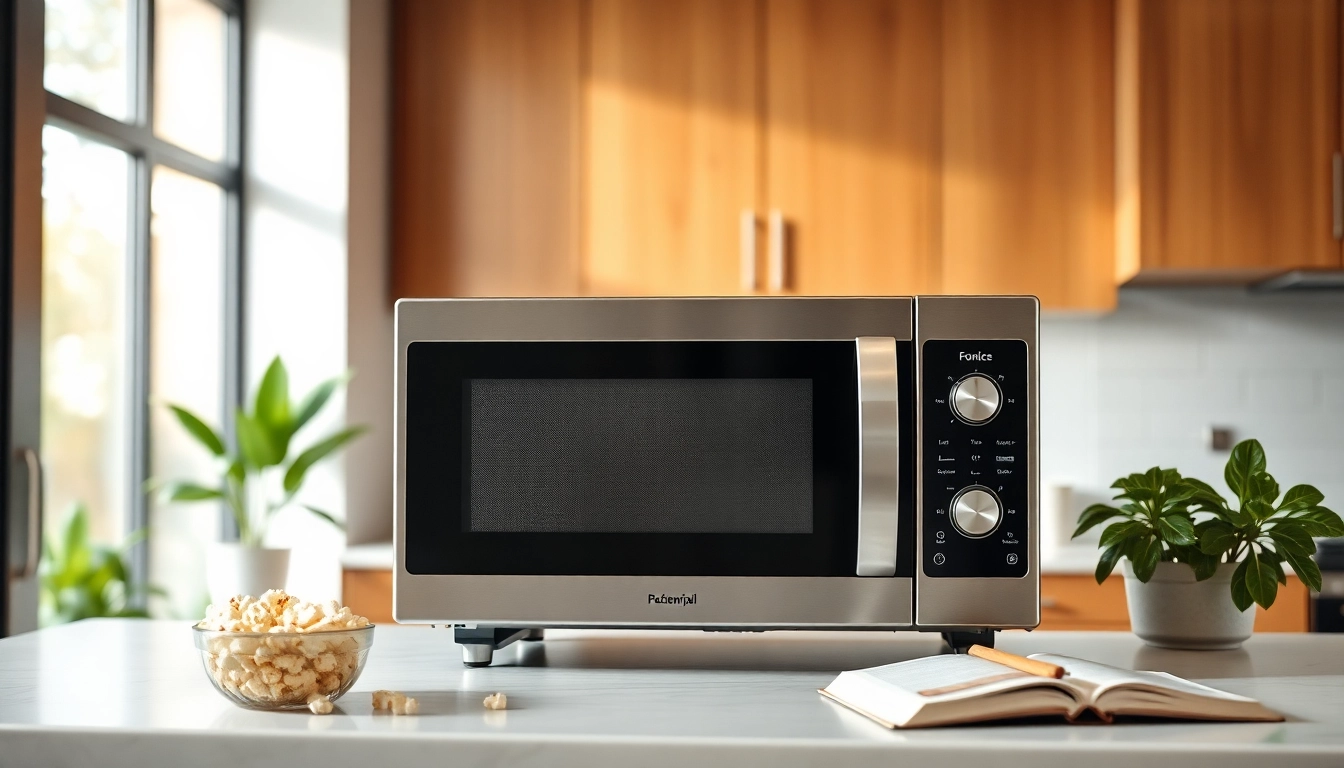
When selecting a microwave oven, size and capacity should be among your top considerations. Compact models may suit smaller kitchens or limited counter space, while countertop models offer a range of sizes suitable for larger families. It is essential to assess not only the physical size of the appliance but also its interior capacity—typically measured in cubic feet—to ensure it can accommodate your cooking needs.
Types of Microwave Ovens
There are several types of microwave ovens available, including countertop, built-in, over-the-range, and convection microwaves. Countertop models are the most common and versatile, designed for portability and easy installation. Built-in options blend seamlessly with cabinetry for a modern aesthetic and save counter space. Over-the-range units combine microwave functionality with a range hood. Convection microwaves offer traditional baking capabilities alongside the speed of microwave cooking. Each type has unique features that cater to different user preferences.
Features to Look For
When shopping for a microwave oven, consider features like wattage, presets, sensor cooking, and ease of cleaning. Higher wattage typically provides faster cooking times and more even heating. Preset options for popcorn, pizza, and beverages make cooking easier for users with less experience. Sensor cooking adjusts cooking times and power based on moisture levels, ensuring optimal results. Also, consider how easy it is to clean the microwave, as many models now come with self-cleaning capabilities or non-stick surfaces for convenience.
How to Use a Microwave Oven Effectively
Basic Operation Guidelines
Operating a microwave oven is straightforward, but efficiency can be maximized with a few simple guidelines. Always place food in microwave-safe containers to avoid leaching chemicals into your food. Covering food with a microwave-safe lid or vented cover prevents splattering and helps retain moisture. Stirring or rotating food halfway through the cooking cycle ensures even heating.
Cooking Times and Power Levels
Understanding cooking times and power levels is crucial to achieve perfect results. A rule of thumb is to start with the lowest recommended cooking time and increase as necessary. Microwaves often have multiple power levels to cater to different cooking needs—lower settings are ideal for defrosting or simmering, while higher settings are better for cooking. Regularly checking food for doneness can help prevent overcooking.
Maintaining Even Cooking
To ensure uniform cooking, it's beneficial to utilize the turntable feature common in many microwaves. If your microwave doesn't have a turntable, manually rotating the dish can help. Additionally, grouping smaller items together can facilitate even cooking—this is particularly useful with foods like vegetables or potatoes. Understanding how to utilize microwave-safe lids can help keep the moisture consistent, further enhancing cooking efficiency.
Microwave Oven Maintenance and Care
Cleaning Tips for Optimal Performance
Maintaining your microwave oven not only prolongs its lifespan but also ensures optimal performance. A simple cleaning solution can be made with water and vinegar. Place a bowl of mixture inside the oven and run it on high for several minutes to steam clean the interior surfaces. Once cooled, wipe down the insides with a soft cloth. Regular cleaning of the turntable, vents, and exterior can also help maintain machine effectiveness.
Common Troubleshooting Techniques
If your microwave isn’t operating properly, several common troubleshooting steps can be beneficial. First, check if the appliance is plugged in and ensure that the power outlet is functioning. Inspect the door latch to confirm it is closing securely. If the microwave is making unusual noises or not heating food properly, these could be indications of larger issues, which may require professional intervention.
When to Seek Professional Repair
Recognizing when to seek professional repair can save time and prevent further damage. If your microwave emits sparks, smells burnt, or fails to turn on despite being plugged in, consult a trained technician. Additionally, issues such as faulty door seals, broken turntables, or persistent error messages may warrant professional assessment to ensure safety and restore functionality.
Innovative Recipes for Your Microwave Oven
Quick and Healthy Meals
The microwave oven excels in preparing quick, nutritious meals. For example, microwave-steamed vegetables retain nutrients better than traditional boiling methods. Simply chop your desired vegetables, add a splash of water in a microwave-safe bowl, cover, and steam for a few minutes. You can also prepare quinoa or brown rice in a fraction of the time, making meal prep efficient and healthy.
Delicious Desserts
Microwave baking offers a plethora of dessert options that can be whipped up in minutes. For a quick mug cake, combine flour, sugar, cocoa powder, baking powder, milk, and oil in a microwave-safe mug—cook for about 1 minute for a delightful treat. You can also create microwave chocolate chip cookies or even brownies, allowing for instant satisfaction without the extended wait time typically associated with baking.
Creative Snacks
The microwave also enables an array of creative snacking options. You can prepare popcorn in mere moments or make crispy chickpeas by roasting them at high temperatures. Fruit crisps and apple chips can be made by dehydrating thin slices of fruit in the microwave for a healthy alternative to traditional snacks. The possibilities are limitless when it comes to experimenting with fun, inventive snacks for all occasions.
Frequently Asked Questions about Microwave Ovens
How long does it typically take to cook food in a microwave?
Cook times vary by type and size of food. Generally, reheating leftovers takes 1-5 minutes, while cooking certain dishes may take 10-15 minutes.
Can you microwave metal containers?
No, metal should not be used in microwaves as it can cause sparks and fires. Always choose microwave-safe materials such as glass or ceramic.
Are there any health risks associated with microwave ovens?
Microwave ovens are safe for cooking. However, it is essential to use microwave-safe containers to avoid leaching chemicals into food.
Can I defrost meat in a microwave?
Yes, microwaves have a defrost setting. It's crucial to cook the meat immediately after defrosting to prevent bacterial growth.
How can I prevent my food from drying out in the microwave?
Cover your food with a microwave-safe lid to retain moisture. Adding moisture, such as a splash of water, helps prevent drying too.