Understanding Steel Fabrication
The Basics of Steel Fabrication
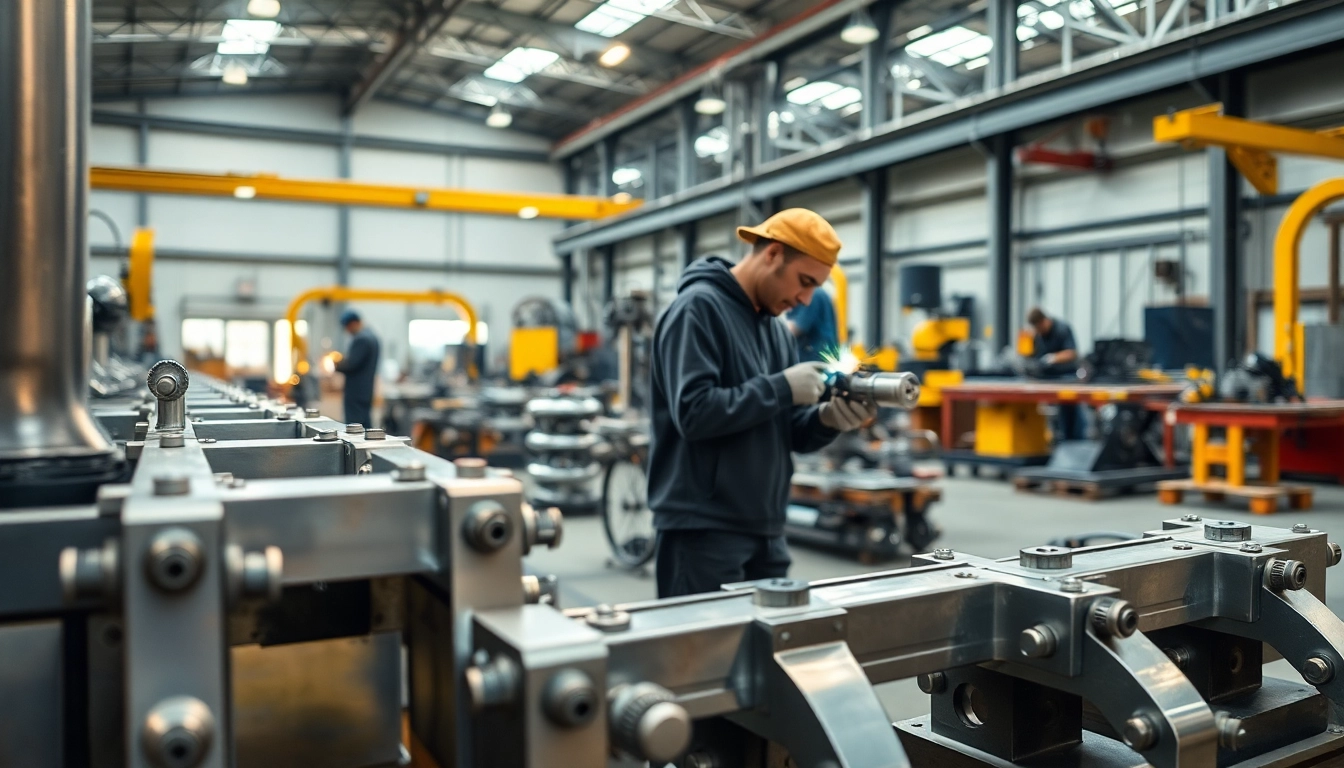
Steel fabrication is a crucial process in various industries, encompassing the design, cutting, shaping, and assembling of metal structures and components. At its core, it combines engineering skills with practical application to create products that meet specified standards and requirements. In essence, a steel fabrication shop transforms raw steel into finished products, which can then be used in a myriad of applications, from constructing buildings to manufacturing machine parts.
The primary objective of steel fabrication is to ensure that the final product meets the exact specifications needed for structural integrity and functionality. This process involves several steps, including design and blueprinting, material selection, and manufacturing methods. The end result is a versatile, durable, and often aesthetically pleasing product that forms the backbone of numerous industries.
Common Techniques in Steel Fabrication
There are several key techniques used in the steel fabrication process. Each method serves different purposes and is chosen based on the specific requirements of the project.
- Welding: This process involves joining two pieces of metal together by melting their edges and fusing them through heat. Welding is crucial for creating strong, permanent connections.
- Cutting: Various methods such as laser cutting, plasma cutting, and oxy-fuel cutting are employed to shape steel sheets into required dimensions.
- Bending: This method involves forming steel into desired angles and shapes, commonly using press brakes or roll bending machines.
- Assembling: After individual components are fabricated, they are then assembled into larger structures, such as frames or supports.
- Machining: Precision machining processes like milling and turning might be used to refine metal surfaces and achieve particular tolerances.
Materials Used in Steel Fabrication
The selection of materials is pivotal in the fabrication process. Common materials used include:
- Carbon Steel: Known for its strength and versatility, carbon steel is prevalent in construction and manufacturing.
- Stainless Steel: Resistant to corrosion and rust, this material is favored for applications requiring hygiene and durability, such as in food processing and medical equipment.
- Aluminum: Its lightweight yet robust characteristics make aluminum suitable for applications in aerospace and automotive industries.
- Alloys: Various metal alloys are created through combining different metals to enhance strength, durability, and resistance to environmental factors.
Finding a Reliable Steel Fabrication Shop
Key Considerations for Choosing a Fabrication Shop
Selecting the right steel fabrication shop can make a significant difference in the quality and success of your project. Several factors should be considered when making this decision:
- Experience and Expertise: Choose a shop with a proven track record in your industry and the specific type of fabrication you require.
- Certifications: Look for certifications such as ISO 9001, which indicates adherence to quality management standards.
- Range of Services: Ensure that the shop offers a comprehensive range of services, from design and engineering to fabrication and finishing.
- Equipment and Technology: Modern and well-maintained equipment can significantly enhance precision and efficiency in the fabrication process.
- Location: Proximity can reduce transportation costs and time delays, making it an important factor to consider.
Questions to Ask Your Steel Fabrication Partner
To ensure you select the best steel fabrication partner, asking the right questions is crucial. Here are some essential inquiries:
- What experience do you have with similar projects?
- Can you provide references or case studies from past clients?
- What quality control measures do you have in place?
- What is your average turnaround time for projects?
- How do you handle changes or issues during the fabrication process?
Reviews and Ratings of Local Fabrication Shops
Online reviews and ratings can offer valuable insight into a steel fabrication shop's reliability and quality of work. Look for reviews on platforms such as Google, Yelp, or industry-specific forums. Pay attention to:
- Overall ratings and average scores
- Common praise points or repeated complaints
- Responses from the shop, indicating their commitment to customer satisfaction
Applications of Steel Fabrication
Industrial Applications
Steel fabrication plays a vital role in numerous industrial applications. Industries such as construction, aerospace, and automotive rely on fabricated steel components to ensure functionality and reliability. Examples include:
- Structural Steel Framework: Used in buildings, bridges, and industrial facilities, providing strength and support.
- Machinery Parts: Custom-fabricated machinery components that enhance production efficiency and equipment reliability.
- Piping and Tubing: Essential for fluid transport in various sectors, from petrochemicals to food processing.
Residential Construction Uses
In residential construction, steel fabrication contributes to both structural and aesthetic elements. Applications include:
- Reinforcement: Steel rebar is commonly used to strengthen concrete in foundations and walls.
- Custom Staircases and Railings: Fabricated metal designs can add elegance and durability to a home's interior.
- Steel Framing: An alternative to traditional wood framing, steel framing provides durability and resistance to pests and fire.
Creative and Artistic Metal Fabrication
Beyond functional applications, steel fabrication also allows for creative expression. Artists and designers use metal fabrication to create stunning sculptures, installations, and functional art pieces. This niche showcases the versatility of steel, allowing for custom designs that are both visually striking and structurally sound. Noteworthy examples include:
- Sculptures: Large-scale public artworks that make statements in urban environments.
- Decorative Features: Custom gates, railings, and furniture that blend form with function.
Best Practices in Steel Fabrication
Ensuring Quality Standards
Quality assurance is paramount in steel fabrication. Fabricators should implement rigorous quality control measures, including:
- Material Inspection: Ensuring all materials meet specified quality standards before fabrication begins.
- Process Monitoring: Continuously checking fabrication processes to catch deviations from quality expectations.
- Final Inspections: Conducting thorough checks on finished products for structural integrity and compliance with specifications.
Safety Practices in the Workshop
Safety should always be a top priority in a steel fabrication shop. Some essential safety practices include:
- Proper Training: Ensuring all employees are trained in safety protocols relevant to their tasks.
- Use of Protective Gear: Mandating the use of helmets, gloves, goggles, and other personal protective equipment (PPE).
- Machine Safety: Implementing strict protocols for the operation of machinery and equipment to prevent accidents.
- Emergency Procedures: Having clear guidelines for emergency situations, including first aid and evacuation protocols.
Innovations in Steel Fabrication Technology
The steel fabrication industry is continually evolving, driven by advancements in technology. Some notable innovations include:
- 3D Printing: Utilizing additive manufacturing for creating complex shapes and prototypes rapidly.
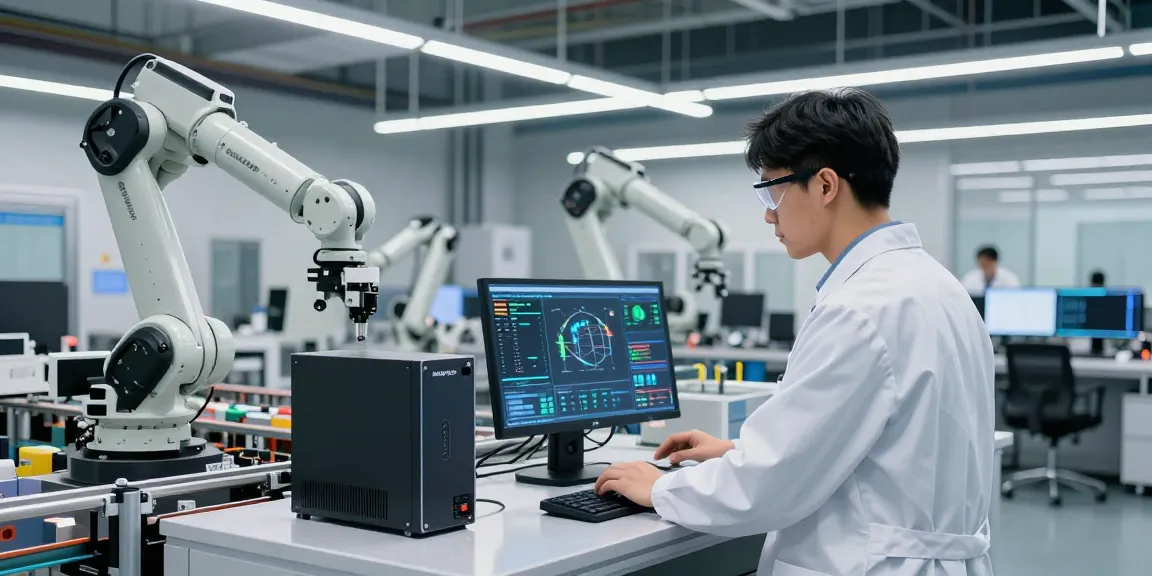
- Robotic Automation: Employing robots for increased precision and efficiency in processes like welding and cutting.
- Computer-Aided Design (CAD): Using CAD software for enhanced design capabilities and reduced errors.
- Eco-Friendly Practices: Innovations in recycling and reducing waste materials during the fabrication process.
Measuring Success in Steel Fabrication
Key Performance Indicators
To evaluate the success of a steel fabrication operation, several key performance indicators (KPIs) can be used:
- Production Efficiency: Measuring output against the number of hours worked to identify improvements.
- Quality Rates: Tracking the percentage of products meeting standards without needing rework or repair.
- On-Time Delivery: Assessing the percentage of orders delivered within the promised timeline.
Case Studies of Successful Fabrication Projects
Reviewing past successful projects can provide insights into effective practices and strategies. Case studies highlighting unique challenges and how the fabrication team overcome them can serve as valuable learning tools. Consider the following aspects:
- The scale and complexity of the project.
- Innovative solutions employed during fabrication.
- Outcomes and client testimonials that demonstrate satisfaction and effectiveness.
Continuous Improvement in the Fabrication Process
Continuous improvement should be a fundamental principle of any steel fabrication shop. Regularly reviewing workflows and processes can help identify inefficiencies and areas for enhancement. Implementing a culture of feedback among employees can also drive improvements in quality and safety practices.