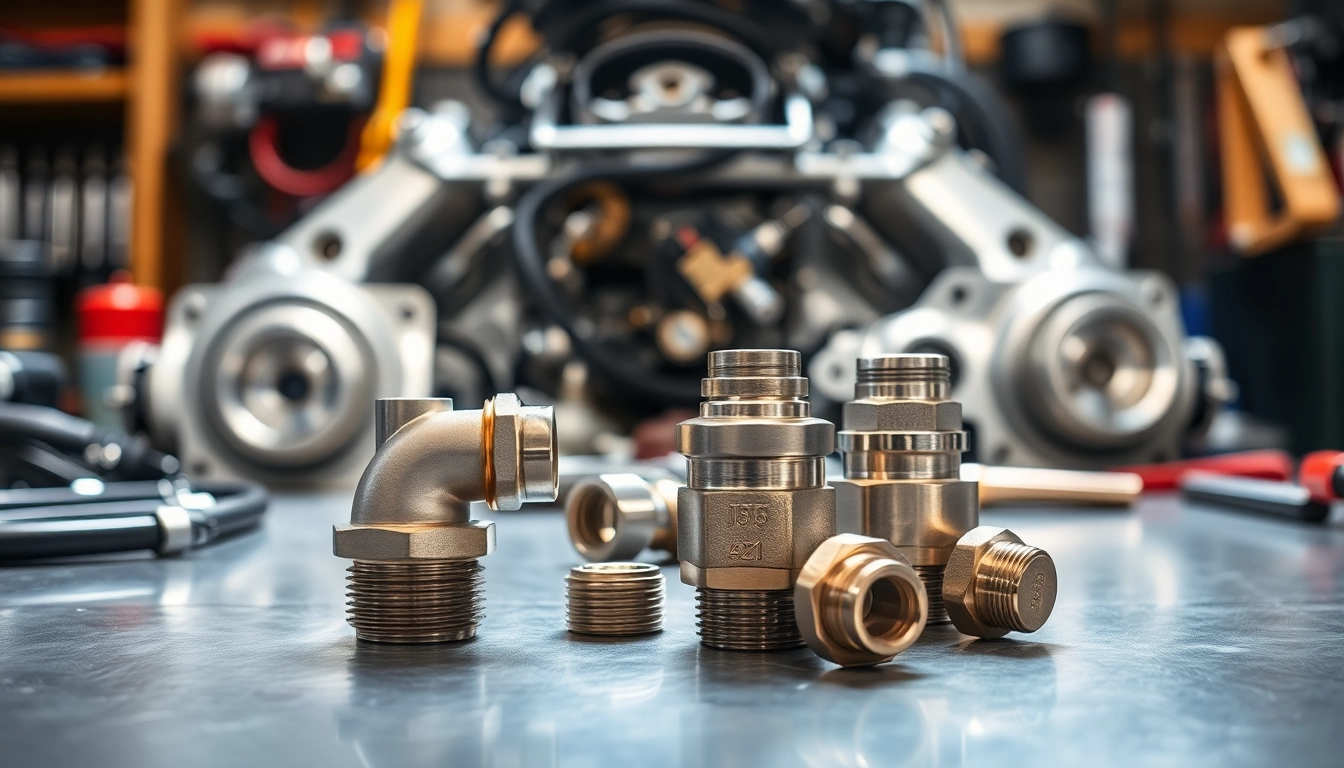
Introduction to EFI Fuel System Fittings
When it comes to optimizing performance and reliability in modern engines, the role of EFI fuel system fittings cannot be overstated. These fittings serve as crucial components in ensuring the seamless flow of fuel throughout the engine, directly affecting combustion efficiency and engine longevity. With advancements in fuel injection technology, understanding EFI fuel system fittings has become more important than ever for automotive enthusiasts and professionals alike. This comprehensive guide aims to provide detailed insights into EFI fuel system fittings, their significance, common issues, and best practices for selection, installation, and maintenance.
What are EFI Fuel System Fittings?
EFI fuel system fittings are specialized connectors that enable the attachment of fuel lines to various components within an EFI system, including injectors, rails, and pumps. These fittings ensure a secure and leak-proof connection, which is vital for maintaining the overall integrity of the fuel delivery system. They are typically made from materials like aluminum, steel, or plastic, each chosen for specific performance criteria. The fittings come in various shapes and sizes, including straight, angled, and swivel types, designed to accommodate different installation scenarios. Their primary function is to transport fuel efficiently while withstanding varying pressures and temperatures that an automotive engine might experience during operation.
Importance of Quality in EFI Fuel System Fittings
The quality of EFI fuel system fittings plays a significant role in overall engine performance and reliability. Poorly manufactured fittings can lead to leaks, inconsistent fuel delivery, and even catastrophic engine failures. High-quality fittings are crafted with precision, ensuring a perfect fit and a reliable seal. Additionally, quality fittings are less prone to issues like corrosion and wear, contributing to the system’s longevity. Investing in high-grade materials pays dividends in terms of performance and maintenance costs, ideally safeguarding your investment over time.
Types of EFI Fuel System Fittings Available
When selecting EFI fuel system fittings, understanding the various types available in the market is essential. Here are some commonly used types:
- Straight Fittings: These are the most common type, designed for a direct connection between fuel lines and components without any bends.
- Angled Fittings: These fittings provide a bend in the line, allowing for flexibility in routing and installation in tighter spaces.
- Swivel Fittings: These fittings allow for rotation without disconnecting the fitting, enabling easier alignment during installation.
- Quick Disconnect Fittings: Commonly used for easy removal and connection, these fittings help streamline maintenance without the need to cut fuel lines.
- Adapter Fittings: These fittings allow different diameters or thread types to connect seamlessly, providing versatility in fuel system design.
Common Issues with EFI Fuel System Fittings
Despite their importance, EFI fuel system fittings can face several common issues. Understanding these problems can help prevent costly repairs and maintain engine efficiency.
Leaks and Their Causes
Leaks in EFI systems often occur due to improper installation, degradation of materials over time, or compatibility issues between different components. A leak can lead to fuel wastage, reduced performance, and even safety hazards due to flammable fuel exposure. Familiarizing yourself with the common signs of fuel leaks, such as fuel odors or visible stains, can help address potential issues before they escalate.
Corrosion and Material Quality
The material quality of EFI fuel system fittings is crucial in preventing corrosion. Components that are exposed to moisture, harsh chemicals, or extreme temperatures can start to corrode over time. Choosing high-quality materials that resist corrosion, such as stainless steel or anodized aluminum, significantly enhances the durability of fittings. Regular inspections can help catch early signs of corrosion, allowing for timely replacements.
Connections and Compatibility Challenges
Compatibility issues can arise when mismatched fittings are used in an EFI system. It's essential to ensure that the size, thread type, and material are suitable for each specific application. Incompatibilities can lead to leaks or compromised performance. Consulting manufacturer specifications is vital to ensure that fittings are correctly matched for optimal engine function.
How to Choose EFI Fuel System Fittings
Selecting the right EFI fuel system fittings is a critical decision that can impact both performance and reliability. Here are some key factors to consider:
Material Considerations for Performance
The material of the fittings directly influences performance and longevity. Common materials include:
- Aluminum: Lightweight and resistant to corrosion, aluminum is an excellent choice for many applications.
- Steel: Known for its strength and durability, steel fittings are suitable for high-pressure applications but may require protective coatings to prevent rust.
- Plastic: Ideal for low-pressure systems, plastic fittings are lightweight but may not withstand harsh conditions long-term.
Choosing a material based on the specific demands of your EFI system will ensure reliable performance and longevity.
Selecting the Right Size and Type
Proper sizing and type selection of EFI fuel system fittings can mitigate many potential issues. Always refer to the vehicle or engine specifications for the required sizes and styles. Mismatched fittings can lead to inefficiencies, such as fuel starvation or pressure loss, adversely affecting performance. Measure the existing fittings or consult a professional if uncertain about the sizes needed.
Brand Comparisons and Reliability
While there are many brands and manufacturers on the market, focusing on reliability and reputation is essential when selecting EFI fuel system fittings. Research different products and read customer reviews to get a sense of their performance and durability. Additionally, opting for well-established brands with proven track records in the automotive industry often translates to better quality assurance.
Installation Tips for EFI Fuel System Fittings
The installation process for EFI fuel system fittings requires careful attention to detail. Proper installation is vital to avoid common issues like leaks and ensure optimal performance.
Essential Tools for Installation
Before beginning the installation, gather the necessary tools to streamline the process. Essential tools include:
- Wrenches or ratchet sets for securing fittings
- Thread sealant or Teflon tape for leak prevention
- Fuel line cutters for precision cutting
- Pliers for gripping and maneuvering flexible hoses
- A clean cloth to wipe down surfaces and ensure debris-free assembly
Having the right tools on hand can significantly reduce installation time and improve the quality of the finished work.
Step-by-Step Guide to Proper Installation
Following a step-by-step approach can ensure a successful installation:
- Prepare Your Workspace: Ensure a clean, well-lit area with all tools and materials within reach.
- Cut Fuel Lines: Use a fuel line cutter to make straight cuts for a better seal.
- Wrap Threads: Apply thread sealant or Teflon tape to male threads to ensure a leak-free connection.
- Connect Fittings: Hand-tighten fittings together, then use a wrench to secure them without over-tightening.
- Inspect Connections: Check all connections visually for any signs of misalignment or debris, and ensure everything is secure.
- Test System: After installation, turn on the ignition without starting the engine to check for leaks.
Common Mistakes to Avoid
Being aware of common installation mistakes can save time and prevent future issues:
- Over-tightening fittings, which can damage the threads and lead to leaks.
- Neglecting to use thread sealant on threaded connections, increasing the risk of leaks.
- Failing to check for compatibility between fittings and fuel lines.
- Not inspecting components prior to installation for cleanliness and integrity.
- Rushing the process or skipping testing procedures post-installation.
Maintenance and Performance of EFI Fuel System Fittings
Regular maintenance of EFI fuel system fittings is crucial for ensuring long-term performance and reliability. Following best practices can lead to significant benefits.
Routine Checks for Optimal Performance
Routine checks can significantly enhance the longevity of EFI fuel system fittings. Inspect fittings and connections for signs of wear, leaks, or corrosion at least once every few months. During these inspections:
- Look for fuel stains around fittings.
- Check for loose connections.
- Make sure there are no signs of corrosion.
- Examine the condition of fuel lines.
Timely identification of potential issues can prevent more severe problems from developing.
Long-Term Benefits of Proper Maintenance
Proper maintenance of EFI fuel system fittings yields numerous long-term benefits, including:
- Improved fuel efficiency, which translates to cost savings at the pump.
- Enhanced engine performance due to optimal fuel delivery.
- Reduced risk of component failure, leading to fewer repairs and downtime.
- Increased safety by minimizing the chance of fuel leaks and fire hazards.
Investing time in maintenance ensures the overall health of the EFI system and prolongs its lifespan.
When to Replace EFI Fuel System Fittings
Knowing when to replace EFI fuel system fittings is essential for preventing performance issues. Signs that indicate a need for replacement include:
- Visible signs of corrosion or damage.
- Recurrent leaks, even after resealing.
- Frequent issues with fuel pressure or delivery.
- Any fitting that looks warped or misshapen.
Addressing these signs proactively can save time, money, and ensure the integrity of your EFI system.
Frequently Asked Questions about EFI Fuel System Fittings
1. What materials are EFI fuel system fittings usually made from?
EFI fuel system fittings are commonly made from aluminum, steel, or plastic, depending on the application's requirements and performance needs.
2. How do I know if my EFI fuel system fittings are leaking?
Signs of leaking include fuel odors, visible stains around connections, or any pressure drops within the fuel system.
3. Can I use any fitting with my EFI system?
Not all fittings are compatible; ensure that you use fittings that match size, thread type, and material specifications outlined by your manufacturer.
4. How often should I inspect my EFI fuel system fittings?
It's advisable to inspect your EFI fuel system fittings every few months or during regular maintenance routines for optimal performance.
5. What can I do to prevent corrosion in EFI fuel system fittings?
Choose high-quality materials and ensure that all fittings are properly sealed and protected from moisture and harsh chemicals to prevent corrosion.