Introduction to the Fire Tetrahedron
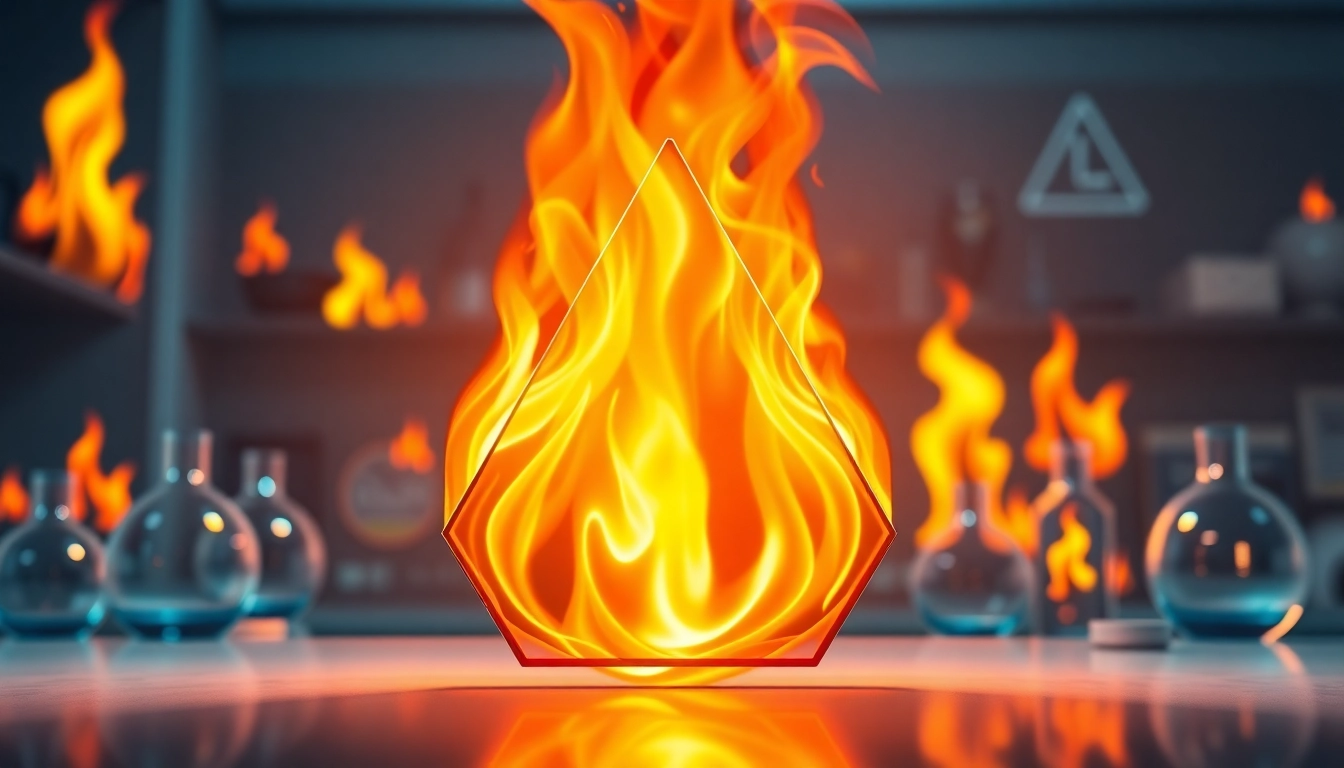
The fire tetrahedron is a fundamental concept in fire science and safety, composed of four essential elements that work together to sustain combustion. Unlike the traditional fire triangle, which identifies three components—fuel, heat, and oxygen—the fire tetrahedron adds a fourth element: a chemical chain reaction. This additional dimension is critical for understanding how fires are initiated, sustained, and ultimately extinguished. By grasping the intricacies of the fire tetrahedron, individuals and organizations can significantly enhance their fire safety measures and prevention strategies. For more insights into the fire tetrahedron and its applications, visit fire tetrahedron.
What is the Fire Tetrahedron?
The fire tetrahedron illustrates the interplay of four elements necessary for combustion: fuel, heat, oxygen, and a chemical chain reaction. Each component plays a vital role in the fire process:
- Fuel: The material that burns, which can include solid materials (like wood), liquids (like gasoline), or gases (like methane).
- Heat: The energy source that raises the material's temperature to its ignition point.
- Oxygen: A common element found in the air that supports the combustion reaction.
- Chemical Chain Reaction: Processes that occur when the atoms or molecules emitted by burning fuel react chemically with the surrounding environment to promote further combustion.
Understanding these components provides a comprehensive framework for fire prevention and safety strategies.
The History of Fire Safety Concepts
The concept of fire has captivated human society since our earliest ancestors discovered it. Historically, fire was a source of warmth, protection, and food preparation. However, with these benefits came the understanding of risks associated with uncontrolled flames. The evolution of fire safety has progressed over centuries with significant developments, including:
- Ancient Understanding: Early civilizations learned the benefits and dangers of fire, leading to primitive methods of controlling it, such as constructing fire pits.
- Scientific Discovery: The 19th century saw the rise of scientific approaches to understanding fire, leading to the formulation of the fire triangle.
- Modern Applications: With advancements in technology and chemistry, the introduction of the fire tetrahedron brought a more detailed understanding of fire phenomena, enabling better fire management and safety strategies.
This historical perspective highlights the ongoing need for effective techniques in fire prevention, especially as our environments continue to become more complex.
Importance in Fire Prevention
The concept of the fire tetrahedron is crucial for fire prevention because it identifies the necessary conditions to ignite and sustain fire. By eliminating any one of these four elements, fire can be extinguished effectively. Understanding this tetrahedral relationship has foundational implications for fire safety training:
- Risk Assessment: Recognizing the interplay of the tetrahedron elements helps in assessing potential fire hazards in various environments.
- Fire Mitigation Strategies: Organizations can tailor fire response plans to target specific components of the tetrahedron, enhancing safety protocols.
- Educating the Public: Awareness of how fires ignite promotes proactive behavior in preventing unintended blazes, whether at home or in workplaces.
As society becomes increasingly reliant on technology, effective fire prevention measures grounded in the fire tetrahedron will remain integral to safety standards.
The Four Elements of the Fire Tetrahedron
Understanding Fuel and Its Role
Fuel acts as the primary energy source in the fire tetrahedron. Fires require a material that can undergo combustion, which can be in solid, liquid, or gaseous forms. Different types of fuels behave uniquely when exposed to flames:
- Solid Fuels: These include materials like wood, paper, and plastics, which ignite when their surface temperature reaches the ignition point. They require a combustible surface area and are often easier to control.
- Liquid Fuels: Examples include gasoline, kerosene, and alcohol. Liquid fuels emit flammable vapors that ignite when mixed with air, making them more volatile than solid fuels.
- Gaseous Fuels: Natural gases, such as propane and methane, are highly flammable and can spread quickly, especially in confined spaces.
Recognizing the type of fuel in a given environment is crucial for developing customized safety training and response strategies.
The Significance of Heat in Combustion
Heat is essential for the initiation and continuation of combustion, as it facilitates the chemical reactions necessary for fire. Firefighters often refer to the heat needed to achieve an ignition temperature, which varies across different materials:
- Ignition Temperature: The minimum temperature at which a substance must be heated for combustion to occur. Different materials have different ignition temperatures; for instance, paper ignites at about 451°F.
- Ongoing Heat Production: Once a fire begins, it generates heat, which helps in maintaining the combustion process by enabling thermal radiation and convection.
- Heat Sources: Heat can derive from various sources, including electrical sparks, open flames, and friction. Understanding potential heat sources is critical in fire hazard assessments.
Effective fire safety practices, therefore, involve controlling heat sources and managing the ambient temperature around potential fuels.
Oxygen's Essential Contribution to Fire
Oxygen plays a vital role in sustaining combustion. Air is approximately 21% oxygen, and most fires rely on this atmospheric oxygen to continue burning. Understanding the significance of oxygen involves the following considerations:
- Oxygen Concentration: Fires can burn more rapidly in environments with higher oxygen concentrations. Certain fire situations, such as industrial or laboratory settings, may have elevated oxygen levels due to specific processes or equipment.
- Exclusion of Oxygen: Some firefighting methods involve smothering the fire to exclude oxygen, effectively breaking the tetrahedron's components and extinguishing the fire. Methods include using foam or carbon dioxide extinguishers.
- Controlled Environments: Certain industries utilize oxygen-rich environments for specific benefits; understanding combustion dynamics in these spaces is crucial for safety management.
A comprehensive grasp of how oxygen interacts with fuels and heat enhances fire prevention strategy development.
How the Fire Tetrahedron Affects Fire Safety Regulations
Impact on Building Codes and Standards
Fire safety regulations are often established based on the principles derived from the fire tetrahedron. Building codes across various regions reflect these fire safety principles to safeguard lives and property. Key aspects include:
- Material Specifications: Regulations often specify fire-resistant materials to mitigate fuel availability. For instance, the use of fire-retardant walls and roofing in commercial buildings reduces the risk of flames spreading.
- Design Strategies: Building designs may incorporate fire breaks, designated escape routes, and effectively placed fire extinguishers to ensure easy identification and elimination of necessary components of the fire tetrahedron.
- Regulatory Compliance: Regular inspections and compliance with safety standards, including understanding the fire tetrahedron, are essential for maintaining a safe environment.
Through careful attention to these regulations, architects and builders can develop spaces that minimize fire risk.
Incorporation in Fire Training Practices
Effective training for emergency responders and building occupants hinges on a thorough understanding of the fire tetrahedron. Fire safety training programs utilize the tetrahedron framework in several ways:
- Type Identification: Training emphasizes the identification of hazards related to the four elements, with practical examples and scenarios to engage trainees deeply.
- Simulation Exercises: Live simulations can demonstrate how quickly fires can develop once all four elements are present, thereby reinforcing the importance of quick response strategies.
- Emphasis on Prevention: Courses often include modules on how to remove or control one of the tetrahedron’s components, focusing on preventive measures to minimize potential risks.
Continual training efforts enhance the knowledge base and readiness of professionals and civilians regarding fire hazards.
Using the Tetrahedron in Hazard Assessments
Fire hazard assessments rely heavily on the fire tetrahedron model to identify risks and create safety plans. Elements of these assessments include:
- Identification of Fuel Sources: Conducting thorough inspections to locate potential fuel sources within a given space and determine their flammability and risk levels.
- Heat Source Analysis: Evaluating the presence of heat-generating activities and equipment as well as understanding areas where these might be interacting with fuels.
- Oxygen Sources: Assessing potential oxygen-enriched atmospheres, particularly in industrial settings, is crucial for anticipating how fires would behave under varying conditions.
Employing the fire tetrahedron model encourages comprehensive analyses of fire risks, leading to tailored safety interventions.
Applications of the Fire Tetrahedron in Everyday Life
Fire Safety Measures at Home
Fire prevention and safety are critical in residential settings, where families are particularly vulnerable to fire hazards. Households can implement the fire tetrahedron framework in the following ways:
- Comprehensive Fire Safety Plans: Homeowners should create safety plans that identify fuel sources, potential ignition sources, and methods to eliminate oxygen supply in case of a fire.
- Regular Safety Inspections: Periodic inspections of appliances, heat sources, and storage of flammable materials facilitate the early identification of hazards.
- Awareness and Education: Families should engage in learning sessions about fire risks, making them more proactive and informed about potential dangers.
Embedding awareness of the fire tetrahedron into daily life can substantially reduce the risk of house fires.
Fire Prevention in Workplaces
Work environments often present unique fire risks due to the combination of materials and activities taking place. Implementing the fire tetrahedron at work requires addressing:
- Workplace Safety Policies: Organizations should have fire safety policies that assess all components of the tetrahedron in their operation.
- Training and Drills: Regular emergency drills and fire safety training equip employees with the knowledge to identify and combat fire hazards quickly.
- Hazardous Material Control: Businesses should control and store flammable materials appropriately and develop clear procedures for handling them safely.
In this way, understanding the tetrahedron fosters a culture of safety and prevention that is vital in a workplace setting.
Educational Uses in Firefighting Training
The fire tetrahedron serves as a foundational concept in the training of firefighters and emergency responders. Its applications in education include:
- Curriculum Integration: Inclusion of the tetrahedron in educational programs helps new recruits understand fire dynamics and behavior.
- Real-World Applications: Simulations that model fire behavior provide hands-on experiences where trainees can observe how the elements of the tetrahedron interact.
- Strategic Response Techniques: Training programs based on the tetrahedron can emphasize specific firefighting techniques that target eliminating one or more fire elements during interventions.
Educational institutions that teach fire safety can significantly affect students' preparedness for real-world firefighting scenarios.
Adapting the Fire Tetrahedron Concept for Future Innovations
Emerging Technologies in Fire Safety
The evolution of technology continues to shape fire safety practices. Innovations that can enhance understanding and control of the fire tetrahedron include:
- Sensor Technology: Advanced sensors can detect variations in heat, smoke, and gas concentrations, providing early warnings of potential ignitions.
- Aerial Drones: Drones can survey and assess large areas for fire hazards, quickly identifying fuel sources and monitoring evolving fire situations.
- Smart Building Systems: Automated systems can adjust oxygen supply or activate fire suppression technologies based on real-time data analysis, effectively removing elements from the tetrahedron.
As new technologies emerge, integrating them into conventional fire safety strategies enhances prevention and response capabilities.
Impact of Environmental Considerations
With growing awareness of environmental sustainability, future fire safety practices will increasingly need to address ecological impacts. This can include:
- Sustainable Materials: Utilizing fire-resistant materials from renewable sources in construction reduces the overall environmental footprint of buildings while enhancing fire safety.
- Fire Ecology Studies: Understanding natural fire cycles and their ecological roles helps in planning fire management strategies that reflect both safety and environmental conservation.
- Pollution Control: Limiting emissions related to fire suppression methods is essential, ensuring that fire fighting does not contribute to pollution.
Environmental considerations form an integral part of future fire safety innovations.
Enhancing Public Awareness through Education
Educating the public about fire hazards is crucial to increasing awareness and developing a proactive approach to fire safety. Effective strategies include:
- Community Engagement: Involving local communities in fire safety workshops and seminars promotes understanding of the tetrahedron model and its application to real-life scenarios.
- Social Media Campaigns: Utilizing social media platforms to disseminate information on fire prevention tips creates awareness and encourages safety practices among broad audiences.
- Collaboration with Schools: Integrating fire safety education into school curricula ensures that young individuals understand the concepts of fire prevention from an early age.
Enhancing public awareness around the fire tetrahedron will ultimately contribute to building safer communities.
In summary, the fire tetrahedron serves as a pivotal model in understanding fire dynamics and enhancing fire safety practices across various applications. By appreciating how fuel, heat, oxygen, and chemical reactions interact, individuals, organizations, and authorities can develop more effective strategies for fire prevention, safety regulations, and emergency response training. As the landscape of fire safety continues to evolve, ongoing education and innovation will play vital roles in fostering a culture of safety for all.