
What Is THCA? A Complete Guide to Its Properties and Legal Status
Understanding the Basics of THCA
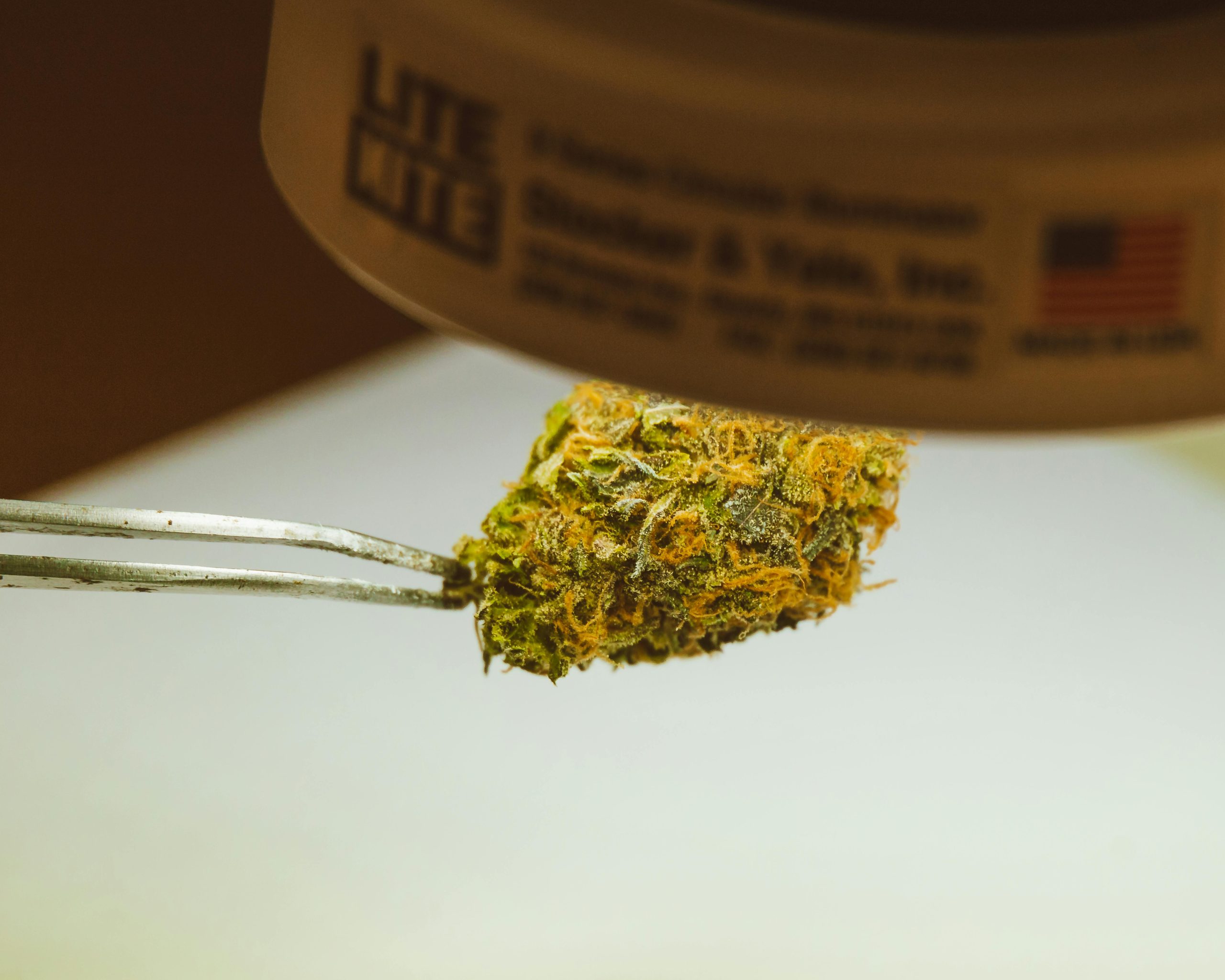
THCA is a naturally occurring cannabinoid found in raw cannabis, especially in freshly harvested or unheated plant material. Unlike THC, THCA does not produce intoxicating effects in its natural state. Many consumers are drawn to THCA because it represents a precursor to THC, holding potential wellness value without the strong psychoactive experience. As interest in cannabis science grows, THCA has become a focus for researchers and consumers looking for gentler cannabinoid options and clearer legal pathways.
How THCA Differs From THC
The chemical structure of THCA sets it apart from THC. When heat is applied through smoking, vaping, or cooking, THCA converts into THC through a process called decarboxylation. This transformation is crucial because it determines whether a product will remain non-intoxicating or become psychoactive. THCA itself cannot bind effectively to the brain’s CB1 receptors, which explains why THCA does not create the classic cannabis “high.” For many users, the distinction between THCA and THC helps guide product choices based on desired effects and comfort levels.
Potential Benefits Associated With THCA
Although research is ongoing, early studies and consumer reports highlight a range of potential advantages linked to THCA. Some users explore THCA for its possible anti-inflammatory effects, antioxidant properties, and gentle support for overall wellness. Because THCA offers these possibilities without intoxication, it attracts individuals who want cannabis-based options that fit into a clear-headed lifestyle. While evidence is still developing, interest in THCA continues to expand across wellness communities seeking natural alternatives.
How Consumers Use THCA Today
Modern cannabis markets offer THCA in various forms, including raw flower, concentrates, tinctures, and edible preparations that avoid heating. Many consumers add THCA to smoothies, juices, or salads made with raw cannabis leaves. This method preserves the cannabinoid and avoids its conversion to THC. Others prefer products labeled specifically as THCA because they want to monitor cannabinoid content with precision. As product diversity increases, it has become a recognizable option for people looking for flexible cannabinoid experiences.
Legal Status in the Current Landscape
The legal situation surrounding this cannabinoid is complex and continues to evolve. In many regions, laws focus on delta-9 THC levels rather than acidic precursors. Because the acidic form can convert to the intoxicating compound when heated, regulators often examine total potential THC content. This approach affects how products are produced, tested, and sold. Consumers must pay attention to local laws, as some jurisdictions classify acidic cannabinoids similarly to THC, while others permit certain hemp-derived compounds. Understanding these distinctions is essential for anyone purchasing or traveling with raw cannabis products.
What Consumers Should Know Before Using These Products
Before purchasing any item containing acidic cannabinoids, buyers should review lab reports, product labels, and brand transparency. Accurate testing ensures that cannabinoid levels match expectations and that the product complies with regional regulations. Consumers should also understand how heat affects raw cannabis compounds, since inadvertently heating a product may change its effects. New users often benefit from starting with small amounts and increasing gradually while monitoring individual responses.
Conclusion
This cannabinoid has emerged as a significant part of modern cannabis culture, offering non-intoxicating potential and diverse applications. With growing research, evolving markets, and shifting laws, it continues to gain attention among consumers seeking clarity, safety, and wellness-oriented options. Understanding how it functions and where it stands legally empowers individuals to make informed decisions as they navigate today’s expanding cannabinoid landscape.