Which Is Better: NAGA2000 or Traditional Industrial Systems?
Understanding the NAGA2000: What Sets It Apart?
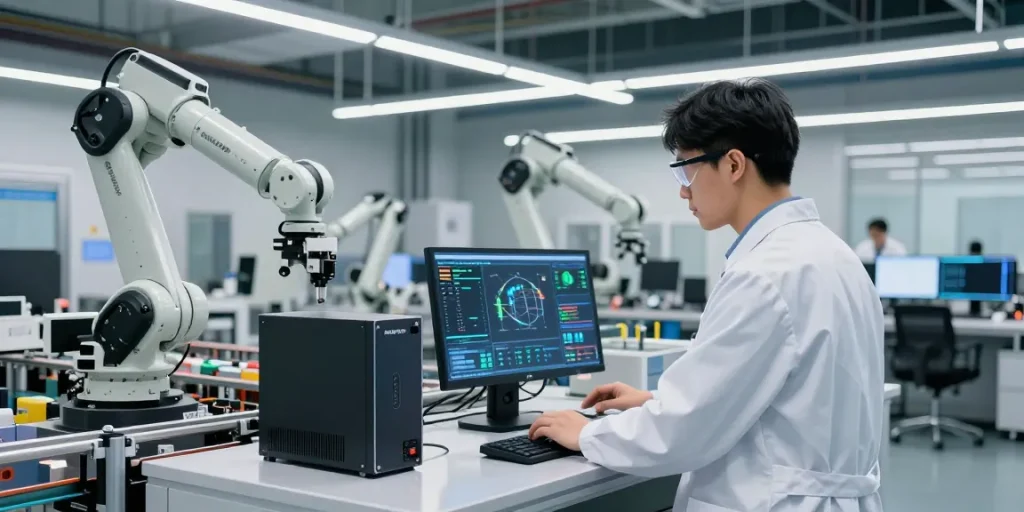
The NAGA2000 represents a significant shift in manufacturing technology, integrating advanced features designed to optimize production efficiency and enhance operational capabilities. For companies exploring innovative solutions, NAGA2000 provides comprehensive insights into modern manufacturing processes and competitive advantages over traditional systems.
Key Features and Innovations of NAGA2000
The NAGA2000 is not just another equipment upgrade; it is a product of extensive research and development aimed at tackling key challenges in the manufacturing sector. Here are some of its standout features:
- Smart Automation: Utilizing AI-driven algorithms, the NAGA2000 enhances automation capabilities, allowing for real-time adjustments based on operational data.
- Energy Efficiency: Built with advanced energy-saving technologies, the NAGA2000 reduces operational costs while minimizing environmental impact.
- Modular Design: The system’s modular architecture allows for easy upgrades and expansions, ensuring longevity and adaptability as technology evolves.
- Enhanced User Interface: A user-friendly interface simplifies the training process for employees and improves overall workflow efficiency.
Performance Metrics Compared to Conventional Systems
When compared to traditional manufacturing systems, the NAGA2000 outperforms in several key areas:
- Throughput: The NAGA2000 boasts a 30% increase in throughput, allowing for larger production runs without a loss in quality.
- Downtime Reduction: With its predictive maintenance features, the NAGA2000 reduces unplanned downtimes by over 50%, enhancing overall productivity.
- Quality Consistency: The implementation of machine learning algorithms ensures quality control at every stage, leading to a 25% decrease in defect rates.
Integration Ease with Existing Manufacturing Processes
One of the primary concerns for manufacturers considering new technology is the integration of new systems with existing processes. The NAGA2000 has been designed with compatibility in mind:
- Interoperability: The system’s ability to communicate with existing machinery and software makes for a seamless transition.
- Quick Setup: Implementation is streamlined, designed to minimize disruption and maintain production flow.
- Training and Support: Comprehensive support services and training modules ensure that staff can quickly adapt to the new system.
Analyzing the Competitive Landscape in Manufacturing Technology
The field of manufacturing technology is continuously evolving, with numerous solutions competing to meet the diverse needs of industry leaders. Understanding the competitive landscape is crucial for any business contemplating the switch to advanced technologies like the NAGA2000.
Overview of Traditional Industrial Systems
Conventional manufacturing systems often depend on legacy technology, which can lead to inefficiencies, higher operational costs, and slower response times. These systems typically lack the adaptability required in today’s fast-paced market.
- High Operational Costs: Older machinery often results in higher maintenance costs and energy consumption, making it less economically viable in the long term.
- Limited Data Utilization: Traditional systems often have poor data integration, hindering decision-making processes.
Comparative Analysis with Emerging Technologies
Emerging technologies like the NAGA2000 often demonstrate superior capabilities when compared to their traditional counterparts:
- Flexibility: Modern systems can adapt quickly to changes in production needs, unlike traditional machinery which can be rigid and slow to modify.
- Data Integration: Advanced technologies utilize IoT and big data analytics, providing comprehensive insights that enhance operational efficiency.
Trends Influencing Adoption of NAGA2000
Several trends are driving the adoption of the NAGA2000 and similar technologies:
- Industry 4.0: The push towards smart manufacturing continues to escalate, with companies eager to implement systems that align with digital transformation strategies.
- Sustainability: Increased regulatory pressure and consumer demand for sustainable practices are leading manufacturers to seek energy-efficient solutions.
- Workforce Dynamics: The shift towards a more tech-savvy workforce necessitates systems that are intuitive and user-friendly.
Cost-Benefit Analysis: NAGA2000 vs. Alternatives
Assessing the financial impact of the NAGA2000 compared to traditional systems is essential for informed strategic decisions. This section delves into initial investments and long-term savings.
Initial Investment vs. Long-term Savings
The upfront investment in the NAGA2000 may appear higher than conventional systems; however, the long-term savings can be substantial.
- ROI Calculation: Companies can expect a return on investment within two years due to increased efficiency and reduced operational costs.
- Maintenance Savings: Predictive maintenance capabilities reduce the frequency and cost of repairs, contributing to overall savings.
Operational Efficiency and Productivity Gains
The NAGA2000 significantly enhances operational efficiency, which can lead to higher revenue generation:
- Time Savings: By automating routine tasks, the NAGA2000 frees up employee time for more strategic initiatives.
- Resource Optimization: Enhanced resource management leads to decreased material waste, further boosting profits.
Potential Risks and Mitigation Strategies
No investment comes without risks. Understanding potential pitfalls can help mitigate them effectively:
- Technology Adoption: Resistance to change can slow implementation. Continuous training and support are essential to alleviate concerns.
- Initial Cost Barriers: Clearly outlining the long-term benefits can help justify the initial expenditure to stakeholders.
Practical Applications and Case Studies of NAGA2000
The practical implementation of the NAGA2000 illustrates its versatility and effectiveness across various industries. Here are some real-world applications:
Success Stories from Industry Leaders
Several industry leaders have successfully integrated the NAGA2000, yielding impressive results:
- Automotive Sector: A leading auto manufacturer reported a 40% reduction in cycle time after implementing the NAGA2000.
- Aerospace Industry: Another client noted improved precision in manufacturing components, leading to a significant decrease in recall rates.
Real-world Implementation in Diverse Sectors
The NAGA2000 has applications in numerous sectors, including:
- Food and Beverage: Enhancements in production speed and efficiency have revolutionized processing times.
- Pharmaceuticals: The system’s reliability has improved compliance with stringent regulatory standards.
Lessons Learned and Best Practices
Implementing the NAGA2000 involves more than just installation; companies must adopt best practices for a successful transition:
- Stakeholder Engagement: Involving all levels of staff in the transition process fosters a culture of innovation.
- Continuous Improvement: Regularly reviewing performance metrics ensures that companies continue to adapt and improve post-implementation.
The Future of Manufacturing: Trends and Predictions for 2026
As we look towards 2026, several emerging trends will shape the future of manufacturing:
Technological Advancements on the Horizon
The evolution of manufacturing technology will continue, promising more innovations:
- Increased Automation: Enhanced robotics and AI are expected to play an even larger role in production processes.
- 3D Printing: This technology will likely become more mainstream, further revolutionizing manufacturing capabilities.
Preparing for Disruption: Strategies for Adaptation
Companies must adopt strategies that allow them to remain agile in a rapidly changing environment:
- Investment in Skill Development: Continuous training and education will be critical for workforce readiness.
- Agile Supply Chains: Developing flexible supply chains can help businesses adapt to unexpected challenges.
How NAGA2000 Fits into Future Manufacturing Paradigms
The NAGA2000 stands poised to play a crucial role in the future of manufacturing, aligning perfectly with Industry 4.0 initiatives. Its ability to integrate smart technology, optimize resources, and enhance operational efficiency makes it an invaluable asset for organizations aiming to thrive in a competitive landscape.
What are the advantages of using NAGA2000?
The advantages of adopting the NAGA2000 are numerous, including increased efficiency, reduced costs, and enhanced quality control, which all contribute to a stronger bottom line.
How does NAGA2000 compare to traditional systems?
Compared to traditional systems, the NAGA2000 offers superior performance metrics, innovative technology solutions, and flexibility that supports rapid market changes.
What industries can benefit most from NAGA2000?
Industries such as automotive, aerospace, pharmaceuticals, and food and beverage can particularly benefit from the advanced features of the NAGA2000.
How do I implement NAGA2000 in my operations?
Implementing NAGA2000 involves a comprehensive assessment of your current operations, followed by strategic planning that includes training and integration to ensure a smooth transition.
What are the future trends in industrial technology?
Future trends include the expansion of artificial intelligence, increased integration of IoT devices, and the rise of sustainable manufacturing practices that prioritize energy efficiency.