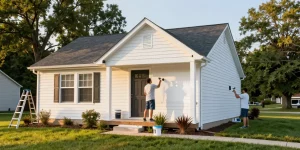
Crafting the Perfect Colonial Home Build: Insights and Inspiration

Understanding the Colonial Home Build Concept
Colonial homes have become a timeless symbol of architectural beauty and historical significance. The colonial home build merges functionality with classic design, appealing to both history buffs and modern homeowners alike. To fully appreciate this architectural style, we must dive into its unique characteristics, historical significance, and the various design variations that exist.
Historical Significance of Colonial Architecture
Colonial architecture traces its roots back to the early settlement periods of America when European immigrants began constructing homes that reflected their cultural heritage. Ranging from the early 1600s to the late 1800s, these structures were primarily influenced by the building practices of settlers from England, France, Spain, and the Netherlands.
These homes represented not only shelter but also the social and economic ambitions of their owners. They were built to withstand harsh climates and provide comfort, often incorporating practical features that made daily life more viable. Each style, from the more austere New England Colonial to the ornamental Southern Colonial, tells a story of the adaptation and evolution of its inhabitants.
Key Characteristics of Colonial Home Build
Colonial homes possess distinct characteristics that set them apart from other architectural styles. These traits include:
- Symmetry: Most Colonial homes feature a symmetrical façade, often with an evenly spaced array of windows and a centered front door.
- Colonial Windows: Multi-paned double-hung windows are a hallmark of this style, frequently adorned with shutters.
- Gable Roofs: A steeply pitched gable roof is typical, designed to shed snow and rain efficiently.
- Defined Porch: Many Colonial homes feature a front porch, adding charm and a welcoming feel.
Design Variations Within Colonial Styles
Colonial architecture itself is not monolithic; it consists of various styles that evolved in different regions. Key design variations include:
- Georgian Colonial: Known for its grandeur, featuring symmetrical proportions, an elaborate pediment, and classical details.
- Federal Colonial: Characterized by a more restrained style, with decorative elements like curved gables and fanlights over the door.
- Cape Cod: A smaller, simpler style that reflects the New England aesthetic, often featuring dormer windows and a central front door.
- Southern Colonial: Recognized for its expansive porches and columns, promoting an spacious, airy feel suitable for hot climates.
Planning Your Colonial Home Build
The journey of building a Colonial home begins with meticulous planning. Each step involves careful consideration to ensure the end result perfectly embodies the timeless elegance of Colonial architecture.
Essential Steps for Successful Planning
When planning your build, it is vital to understand the key stages:
- Define Your Goals: Determine the purpose of your Colonial home, whether it’s a full-time residence, vacation home, or investment property.
- Research Styles: Immerse yourself in the various Colonial styles to find one that resonates with your vision.
- Work with Professionals: Collaborating with architects, designers, and builders familiar with Colonial designs can facilitate the planning process.
- Set a Timetable: Establish a realistic timeline, accounting for potential delays that may arise in construction.
Choosing the Right Location for Your Build
Choosing an appropriate location is critical to enhancing the charm and appeal of a Colonial home. Consider factors such as:
- Neighborhood Character: Opt for an area that harmonizes with historical aesthetics, preferably one that features older homes.
- Landscaping Opportunities: Assess the natural surroundings and topography, allowing opportunities for beautiful gardens and greenspaces.
- Access to Amenities: Ensure your location provides proximity to essential services and recreational facilities.
Budget Considerations for a Colonial Home Build
Budgeting for a Colonial home involves more than just the cost of construction materials. Other financial considerations include:
- Land Purchase: Factor in the cost of your chosen land, which may vary significantly based on location.
- Design Fees: Account for fees related to architects and designers, especially if customized features are desired.
- Construction Costs: Get estimates for labor and materials, keeping in mind that Colonial builds may require specialized craftsmanship.
- Permits and Taxes: Research local regulations and additional costs related to permits.
Material Selection for Colonial Home Build
The materials chosen for your Colonial home will directly influence its aesthetics, durability, and environmental impact. Selecting the right materials is paramount.
Traditional Materials and Their Benefits
Colonial homes classically feature materials that ensure both durability and aesthetic appeal:
- Wood: Used extensively, wood adds warmth and traditional charm, especially with hardwood floors or wooden beams.
- Brick: Often used for exteriors, brick provides sturdiness and a classic look, particularly appealing in Southern Colonials.
- Stone: Adding stone accents can provide texture and a timeless quality, often utilized in New England styles.
Modern Alternatives to Classic Materials
While traditional materials are iconic, modern alternatives can also provide unique benefits:
- Composite Wood: Mimics the aesthetic of natural wood but requires less maintenance over time.
- Fiber Cement Siding: Offers durability and resistance to rot or pests, replicating classic wood siding.
- Engineered Stone: Lightweight and easy to work with, making it a practical choice for contemporary construction.
Eco-Friendly Options for a Sustainable Home
In today’s environmentally-conscious market, sustainable building practices are gaining traction. Consider these eco-friendly options:
- Reclaimed Wood: Not only sustainable, but it also adds character and history to your build.
- Solar Panels: Enhancing energy efficiency while harnessing natural resources for sustainable living.
- Green Roofing: Provides insulation and reduces energy costs, while also promoting biodiversity.
Interior Design Ideas for Colonial Homes
Once your Colonial home is constructed, the next step is to bring your interior to life. The design within these homes should reflect the historical background while incorporating modern comforts.
Color Schemes That Work With Colonial Styles
The right color palette is essential in creating a warm, inviting atmosphere. Popular schemes for Colonial homes include:
- Warm Neutrals: Cream, beige, and taupe create a cozy and timeless appeal.
- Rich Jewel Tones: Deep blues, greens, and burgundies can add sophistication to living areas.
- Classic Whites: Often used for moldings and trim, providing contrast and highlighting architectural details.
Furniture and Decor Tips for Authenticity
Achieving a traditional look also hinges on the selection of furniture and decor:
- Choose Period Furniture: Opt for pieces with antique or reproduction Colonial designs to enhance authenticity.
- Incorporate Textiles: Use period-appropriate fabrics, such as damask and toile, for curtains and upholstery.
- Add Historic Accents: Include elements like brass candlesticks, oil lamps, and fine porcelain to create a cohesive atmosphere.
Incorporating Modern Elements into Traditional Spaces
To marry the old with the new, consider these approaches:
- Open Floor Plans: Break away from strict room delineation to allow for a more free-flowing layout while maintaining Colonial charm.
- Contemporary Art: Incorporate modern art pieces that contrast beautifully with traditional furnishings.
- Smart Home Features: Integrate technology seamlessly through invisible installations, without compromising design aesthetics.
FAQs About Colonial Home Build
What defines a colonial home build?
A colonial home build is typically characterized by its symmetrical design, gable roofs, and classic architectural details that reflect historical American settlement styles.
How long does it take to complete a colonial home build?
The timeline for a colonial home build varies significantly but usually ranges from several months to over a year, depending on the complexity and size of the project.
What are the average costs associated with a colonial home build?
Costs can vary widely based on location, materials, and size, but on average, building a colonial home may range from $150 to $300 per square foot.
Can I customize a colonial home build?
Yes, many elements of a colonial home build can be customized, including layout, materials, and finishes, to suit individual taste while maintaining architectural integrity.
What are common mistakes in a colonial home build?
Common pitfalls include overlooking historical accuracy, skimping on quality materials, and improper planning, which can lead to adjustments down the line and increase costs.