Understanding Structural Steel Installation
Definition and Importance
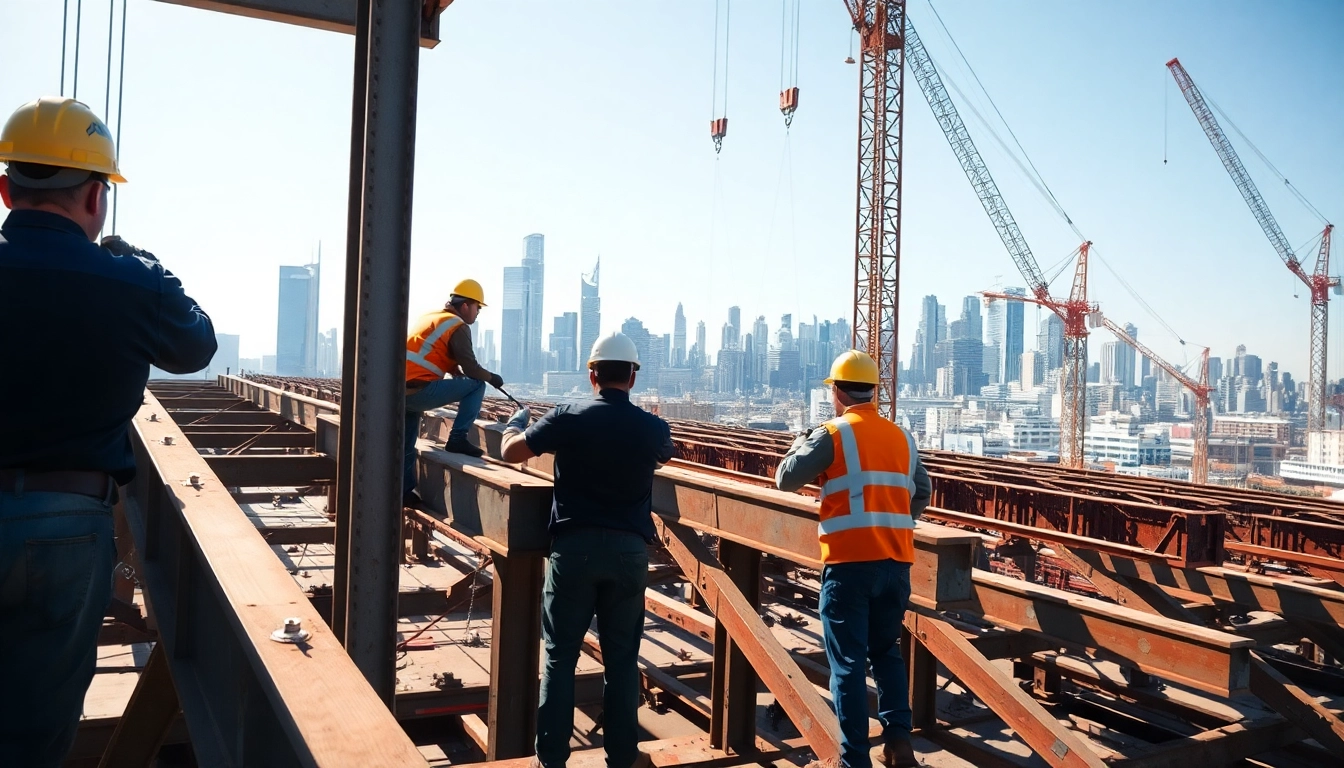
Structural steel installation involves the assembly and erection of steel structures such as beams, columns, and trusses, which form the skeleton of buildings and other infrastructure. Its significance cannot be overstated. As one of the most utilized materials in the construction industry, steel offers unparalleled strength, durability, and versatility. Adequate installation ensures safety and stability, allowing for innovative architectural designs that can withstand heavy loads and challenging environmental conditions. For those exploring the world of construction, understanding the nuances of structural steel installation is fundamentally crucial.
Common Applications in Construction
Structural steel serves a myriad of applications in construction, ranging from residential buildings to complex industrial structures. Here are some common uses:
- Commercial Buildings: High-rise offices and shopping centers frequently utilize structural steel due to its strength-to-weight advantage, allowing for taller structures with less material.
- Bridges: Steel is a preferred choice for bridge construction thanks to its tensile strength and flexibility, which enable the span of wide distances.
- Industrial Facilities: Factories and warehouses often employ structural steel frames to support heavy machinery and equipment.
- Infrastructure Projects: Steel plays an essential role in the construction of highways, railways, and airports, where durability and resilience are paramount.
Benefits of Structural Steel
Choosing structural steel provides numerous advantages, making it the material of choice for many architects and builders:
- Strength and Durability: Structural steel has a high strength-to-weight ratio, making it an excellent choice for construction that experiences heavy loads.
- Design Flexibility: It can be fabricated into various shapes and sizes, allowing architects to achieve complex designs seamlessly.
- Fire Resistance: When treated with fire-resistant coatings, steel structures can endure high temperatures, offering a robust safety measure.
- Speed of Construction: Steel structures can be prefabricated, allowing quicker on-site assembly and contributing to reduced construction timelines.
- Eco-Friendly Options: Steel is recyclable, promoting sustainability in construction practices.
Planning for Structural Steel Installation
Choosing the Right Materials
The selection of quality materials is foundational to the success of any structural steel installation project. Not all steel is created equal, and various grades (e.g., carbon steel, stainless steel) serve specific purposes based on environmental factors, load-bearing requirements, and exposure to elements. The right choice depends on project specifications and the anticipated environmental stressors. Consultation with structural engineers can guide the selection process, ensuring that materials meet safety and performance criteria.
Site Preparation Considerations
Site preparation is critical for a successful installation. Factors to consider include:
- Soil Conditions: Perform a geotechnical analysis to determine soil bearing capacity and necessary foundation designs.
- Access Routes: Ensure adequate access for heavy machinery and steel delivery to the site.
- Weather Conditions: Schedule installation during favorable weather to minimize risks associated with wind, rain, or extreme temperatures.
- Regulatory Compliance: Verify that all installation plans align with local building codes and zoning laws.
Project Timeline and Budgeting
Creating a detailed project timeline is essential for keeping the installation process on track. Factors that influence timelines include the size of the project, availability of materials, and labor. A realistic budget accounts for materials, labor, machinery, permits, and unexpected contingencies. Regular reviews of the budget and timelines help manage costs effectively and ensure that the project stays on course, allowing for changes if necessary.
Best Practices for Structural Steel Installation
Safety Measures and Guidelines
Safety is paramount in any construction environment, especially during structural steel installation. Key safety measures include:
- Personal Protective Equipment (PPE): Ensure that all workers are equipped with appropriate PPE, including hard hats, gloves, and harnesses.
- Inspection Protocols: Conduct regular inspections to identify potential hazards before they lead to accidents.
- Training and Certification: Workers should be properly trained in equipment handling and emergency procedures.
- Scaffolding and Support Systems: Use stable and properly assembled scaffolding to protect workers during the installation of high sections.
- Emergency Plans: Have a clear plan in place for emergencies, ensuring that all workers are aware of evacuation routes and procedures.
Efficient Techniques for Assembly
Efficiency during the assembly phase can significantly influence the overall project timeline. Techniques to enhance efficiency include:
- Modular Construction: Utilizing prefabricated components can simplify the on-site assembly process.
- Use of Advanced Tools: Employing cranes and hoists to handle heavy steel pieces can speed up the installation process while maintaining safety.
- Team Coordination: Ensure that all team members understand their roles and responsibilities during the installation phase to minimize downtime.
Quality Control Procedures
Ensuring quality control throughout the installation process is critical. Procedures include conducting regular inspections of materials, verifying proper assembly techniques, and confirming adherence to safety standards. Implementing a robust documentation process provides a clear record of inspections and quality checks, which can be invaluable in case of disputes or necessary modifications down the line.
Challenges in Structural Steel Installation
Identifying Common Issues
Structural steel installation does not come without challenges. Common issues encountered may include:
- Weather Delays: Adverse weather conditions can halt progress and extend project timelines.
- Design Changes: Modifications to design plans can lead to costly delays and complications during installation.
- Material Availability: Delays in material delivery can affect the critical path of the project.
- Safety Incidents: Poor safety practices can lead to accidents that jeopardize project timelines and quality.
Solutions and Mitigation Strategies
Proactive strategies can mitigate challenges during installation:
- Weather Planning: Monitor weather forecasts and plan critical activities during favorable conditions to minimize disruptions.
- Design Clarity: Collaborate with architects and engineers to maintain clear communication regarding design expectations, minimizing last-minute changes.
- Supply Chain Management: Develop relationships with multiple suppliers to secure materials and reduce dependence on a single source.
- Safety Audits: Establish regular safety audits to identify hazards before they result in incidents.
Case Studies of Successful Projects
Success stories in structural steel installation provide valuable insights into best practices. For instance, a recent high-rise project utilized modular construction techniques, resulting in a 30% reduction in time from foundation to completion. Additionally, regular team briefings ensured clear communication and coordination, effectively minimizing safety incidents and project delays. Documenting such cases not only highlights efficient methodologies but also reinforces the importance of strategic planning and execution for future projects.
Future Trends in Structural Steel Installation
Innovation in Materials and Techniques
The construction industry is witnessing innovative advancements in structural materials and installation techniques. High-strength steel alloys that offer better performance under challenging conditions are emerging, ensuring durability and flexibility. Additionally, advancements in prefabrication and modular building methods are streamlining the construction process, allowing builders to overcome traditional challenges in time and cost management.
Sustainability and Environmental Impact
The growing emphasis on sustainability in construction cannot be ignored, with structural steel being at the forefront of these efforts. Recyclable and produced with lower emissions, steel presents an environmentally friendly option compared to traditional methods. The development of green steel, produced using renewable energy, is paving the way for more sustainable building practices, justifying its widespread use.
Technological Advancements in Construction
Technological innovations, including Building Information Modeling (BIM), drones, and augmented reality, are revolutionizing the structural steel installation landscape. BIM allows for detailed planning and visualization, reducing errors during installation. Drones can be utilized for site surveys and progress monitoring, ensuring that projects stay on track and highlighting any potential issues early on.
FAQs
What is structural steel installation?
Structural steel installation involves assembling and erecting steel beams and columns for a building's framework, ensuring safety and stability.
How long does structural steel installation take?
The duration of structural steel installation varies based on project size but typically ranges from a few weeks to several months.
What are the main advantages of structural steel?
Structural steel offers high strength-to-weight ratios, durability, design flexibility, and resistance to pests and fire.
What safety measures should be followed?
Safety measures include using proper PPE, ensuring stable scaffolding, regular inspections, and adherence to OSHA guidelines for construction sites.
How can I ensure quality during installation?
Ensure quality by following industry standards, conducting regular inspections, and utilizing certified materials throughout the installation process.