Key Strategies for Effective Structural Steel Installation in Construction Projects
Understanding Structural Steel Installation
Definition and Importance
Structural steel installation refers to the process of assembling a framework of steel components that form the skeleton of a building or structure. This type of construction is crucial for the integrity and durability of modern buildings, making it essential in various sectors, including commercial, industrial, and residential. In addition to its strength and resilience, structural steel is also favored for its resistance to environmental stresses and its lightweight, which allows for easier transport and quicker assembly. Effective installation practices ensure that the structure meets industry standards for safety and performance.
Common Applications in Construction
From skyscrapers to bridges and warehouses, structural steel installation is pivotal in the construction industry. Common applications include:
- Commercial Buildings: High-rises, shopping centers, and office buildings utilize structural steel for tensile strength and aesthetic flexibility.
- Industrial Facilities: Factories and warehouses often use structural steel frameworks to support heavy machinery and equipment.
- Bridges: Steel components provide strength and longevity to bridge structures, ensuring they can withstand heavy loads and adverse weather conditions.
- Residential Homes: Increasingly, residential builders are incorporating steel into home design for improved durability and design flexibility.
Overview of the Installation Process
The installation of structural steel involves multiple stages that require careful planning and execution. The process generally includes:
- Site preparation and management.
- Transport of steel components to the site.
- Erection of columns and beams to establish the framework.
- Installation of purlins, joists, and bracing needed for stability.
- Final inspections and adjustments to ensure structural integrity.
Pre-Installation Preparation for Structural Steel Installation
Site Assessment and Planning
Effective structural steel installation begins with a comprehensive site assessment. This step involves evaluating soil conditions, existing structures, and environmental impacts that could affect installation timelines and safety. Proper planning ensures that all factors are considered, allowing for a smoothly coordinated installation process and minimizing potential issues.
Necessary Tools and Equipment
A successful structural steel installation requires a variety of specialized tools and equipment, including:
- Cranes: Essential for lifting heavy steel components into position.
- Wrenches and Torque Tools: Used for bolting components securely.
- Safety Gear: Helmets, harnesses, and gloves to protect workers during installation.
- Measuring Devices: Tools for ensuring precise measurements and alignments.
Safety Protocols and Standards
Adhering to safety protocols is crucial in the structural steel installation process. This includes following local and national construction regulations, maintaining a clean work environment, utilizing proper safety equipment, and ensuring that all workers are trained to identify and mitigate risks associated with steel erection activities.
Step-by-Step Guide to Structural Steel Installation
Erecting Columns and Beams
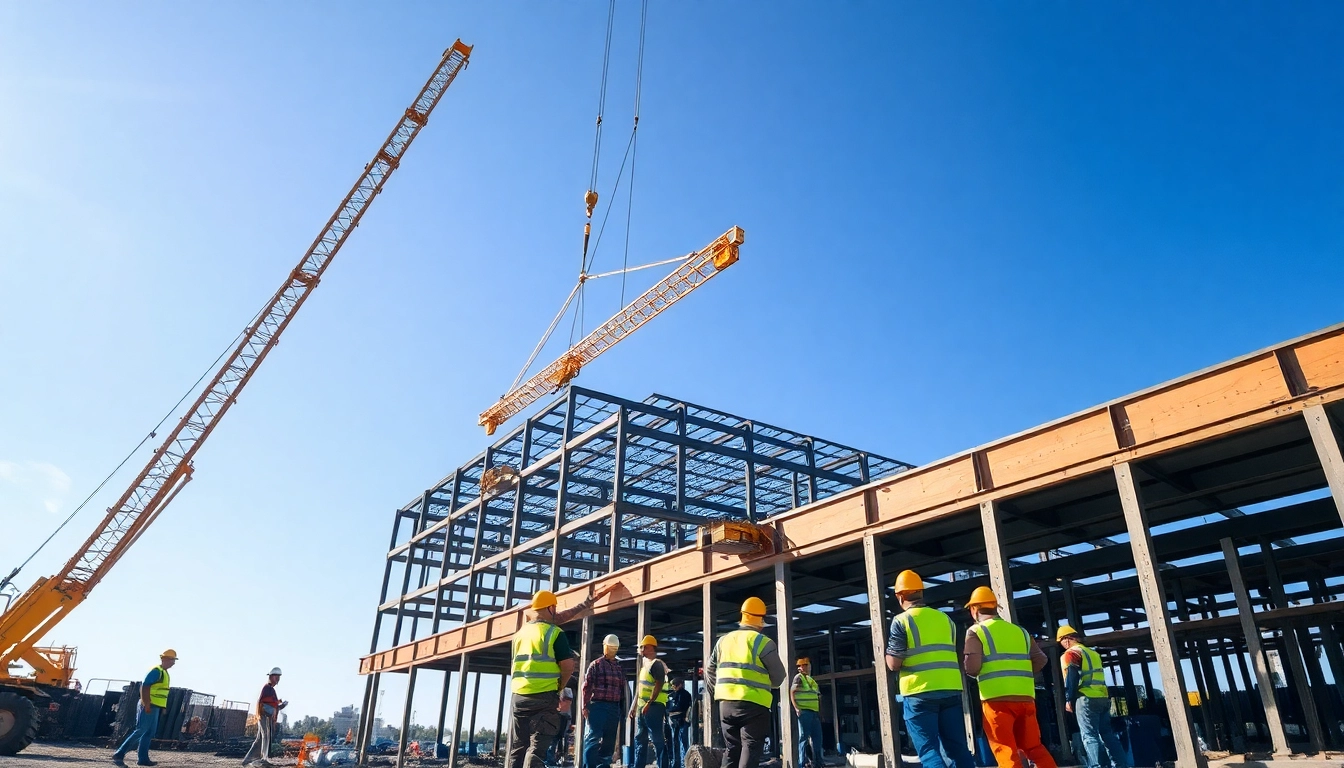
The initial step in the actual installation process involves erecting the columns and beams. Workers assemble steel columns in a vertical position, using cranes and supports to ensure they are secure. Once the columns are placed, beams are installed horizontally to connect these columns, forming the basic framework of the structure.
Installing Purlins and Bracing
After the basic framework is standing, purlins—horizontal supports for the roof—are installed alongside bracing components, which provide lateral support and stability. This critical stage not only enhances the structural integrity but allows for adjustments before finalization.
Final Calibration and Checking
The installation process culminates in a thorough inspection and calibration phase. Engineers and supervisors check for precision in alignment and levelness, ensuring that all structures are plumb and that connections are secure. This step is vital to mitigating future risks of structural failure.
Challenges in Structural Steel Installation
Weather and Environmental Factors
Environmental conditions can significantly impact structural steel installation. Weather events such as rain, high winds, or extreme temperatures can delay the process and pose safety risks. Contingencies, including protective measures and scheduling flexibility, are necessary to manage these challenges effectively.
Managing Material Quality
Maintaining material quality is essential for successful structural steel installation. Regular quality checks for steel components can prevent future structural failures. Following specifications and standards laid out by relevant bodies is crucial to ensure that materials meet the required strength and durability criteria.
Coordinating with Other Trades
During construction, multiple trades often work concurrently. Effective communication and coordination are key to preventing delays and ensuring that the installation does not interfere with other ongoing activities, such as electrical or plumbing installations. Scheduling regular meetings among teams can enhance collaboration and project efficiency.
Best Practices for Successful Structural Steel Installation
Training and Certification for Workers
Investing in the training and certification of workers is vital to ensure compliance with safety regulations and efficiency in operations. Continuous training on updated techniques and safety practices enhances overall project quality and worker safety.
Using Technology in Installation
The implementation of advanced technologies, such as 3D modeling and Building Information Modeling (BIM), can streamline the structural steel installation process significantly. These tools improve planning, reduce waste, and enhance accuracy and collaboration among stakeholders.
Regular Maintenance and Inspection Post-Installation
Once structural steel is installed, ongoing maintenance and periodic inspections are essential to prolong the lifespan of the structure. Regular assessments can identify potential issues before they become critical, ensuring safety and maintaining integrity over time.
Frequently Asked Questions
What are the steps in structural steel installation?
The steps include site assessment, planning, material preparation, erection of columns and beams, installing purlins and bracing, and final inspection.
What tools are required for structural steel installation?
Key tools include cranes, torque wrenches, lifting devices, measuring instruments, and safety gear for workers.
Are there safety standards for steel installation?
Yes, numerous safety standards apply, including OSHA regulations, ensuring workforce safety and structural integrity during installation.
How can weather affect steel installation?
Weather can influence the installation schedule and worker safety. Procedures should be in place to manage unsafe conditions like storms or high winds.
Why is training important for steel installation workers?
Proper training ensures that workers are skilled in safety practices and installation procedures, which reduces accidents and enhances project quality.