
Understanding the AR 15 Trigger: Components, Functionality, and Upgrades
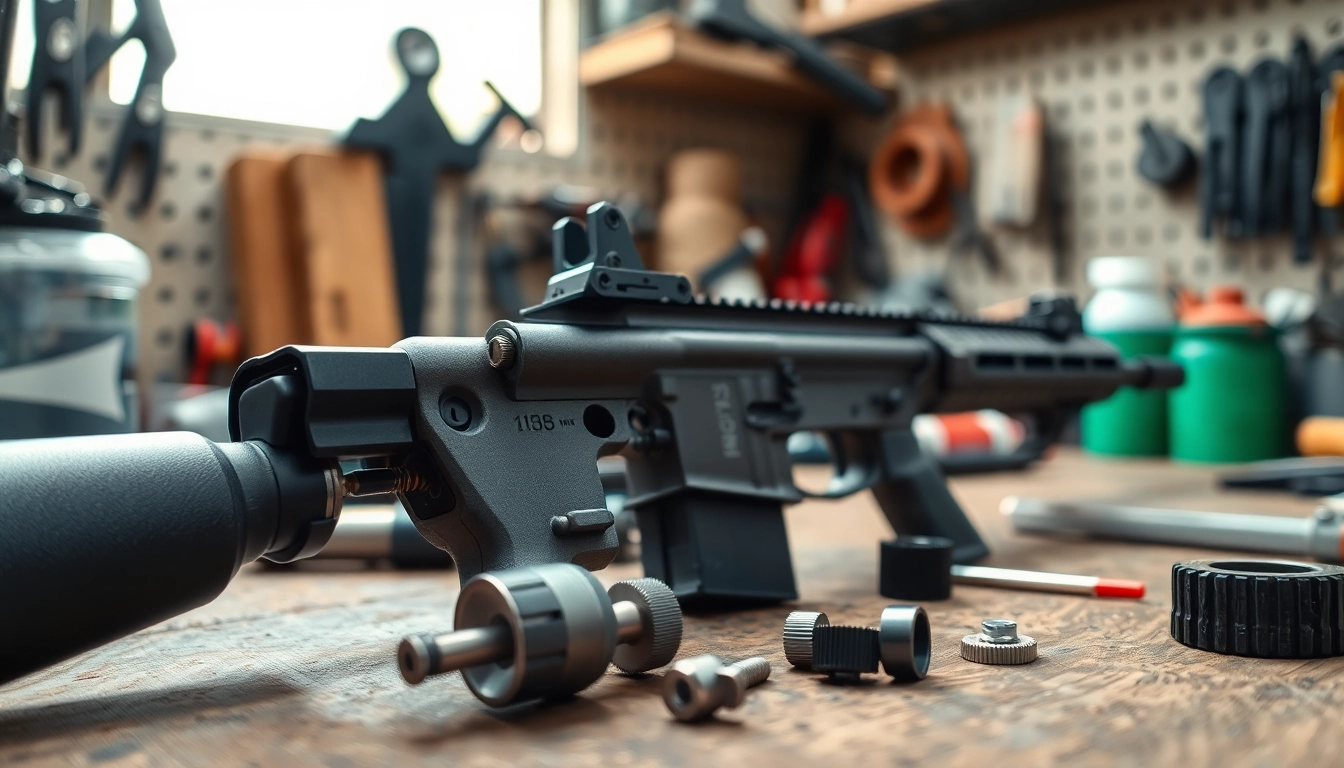
Introduction to the AR 15 Trigger
The AR 15 trigger is a crucial component in the world of firearms, specifically tailored for the AR 15 platform. This part dictates how effectively and accurately a shooter can fire their weapon. Understanding the intricate functions and features of the AR 15 trigger is essential for any firearm enthusiast, as it plays a pivotal role in ensuring optimal performance and user comfort.
What is an AR 15 Trigger?
An AR 15 trigger is the mechanism that allows a shooter to discharge a round by pulling a trigger. It consists of several components that work together to ensure a smooth and safe operation. The operation of the trigger is straightforward; pressing it activates a firing mechanism, resulting in the firing of a round. However, triggers can vary in design, weight, and responsiveness, which significantly affects the shooting experience.
Importance of Quality Triggers
The quality of an AR 15 trigger can have a significant impact on a shooter’s accuracy and overall performance. A well-designed trigger can reduce pull weight, enhance precision, and improve firing speed. Conversely, a subpar trigger may lead to inconsistencies in shooting and increased fatigue. Hence, investing in a quality AR 15 trigger can transform your shooting sessions from mediocre to exceptional.
How Triggers Affect Performance
The performance of an AR 15 trigger can be measured by several factors, including pull weight, creep, and reset. A lighter pull weight generally allows for faster shooting without sacrificing control. Minimizing creep—any motion of the trigger before the discharge—can enhance precision. An effective reset contributes to quicker follow-up shots, making a trigger not only a key comfort element but a performance-enhancing component as well.
Components of the AR 15 Trigger
Understanding the components of the AR 15 trigger can provide insight into how it functions and why specific characteristics matter. The trigger assembly consists of several essential parts, each contributing to the overall operation.
Main Parts and Their Functions
The main components of an AR 15 trigger include the trigger, hammer, disconnector, and springs. Each part plays a unique role; for example, the trigger is the part that is pulled to initiate the firing process. The hammer strikes the firing pin when released by the disconnector, which helps maintain the functionality of semi-automatic firing. Understanding these interactions can guide users in choosing the right trigger for their needs.
Differences in Trigger Styles
Trigger styles for the AR 15 can vary widely, including single-stage and two-stage triggers. A single-stage trigger has a direct pull with no slack, which can lead to more immediate firing. In contrast, a two-stage trigger allows for a lighter initial pull before reaching a heavier ‘break’ point, providing increased control and easing the transition from relaxed to deliberate firing. Each style has its merits, depending on the shooter’s preference and intended use.
Material Considerations
The materials used in trigger construction greatly affect their durability and performance. Common materials include steel, aluminum, and Polymer. Steel is often employed for its robustness, whereas lighter materials like aluminum may enhance overall firearm weight and handling. Choosing the right material can help tailor an AR 15 trigger to suit specific environments and shooting conditions.
How to Install an AR 15 Trigger
Installing an AR 15 trigger can be a rewarding process for those who are comfortable with firearms maintenance. Proper installation is crucial for the effective functioning of the trigger and overall firearm safety.
Step-by-Step Installation Guide
1. Ensure the firearm is unloaded and secure. Disassemble the AR 15 by removing the upper and lower receivers. 2. Remove the old trigger assembly by unscrewing the retaining pins. 3. Carefully take out the hammer and trigger. 4. Install the new trigger in reverse order, ensuring springs and alignments are correct. 5. Test the pull of the trigger before reassembling the lower and upper receivers.
Common Mistakes to Avoid
A few common mistakes during installation include failing to verify the correct alignment of components, neglecting to secure parts properly when tightening screws, and forgetting to test pull weight. Each of these oversights can lead to decreased functionality or unsafe conditions.
Tools Required for Installation
The basic tools required for installing an AR 15 trigger include a punch set, a hammer, a small flathead screwdriver, and safety glasses. A bench vise may also be helpful if more stability is needed.
Upgrading Your AR 15 Trigger
Upgrading the AR 15 trigger can provide numerous benefits, from enhancing accuracy to improving shooting speed.
What to Look for in an Upgrade
When considering an upgrade, look for features such as lighter pull weights, short reset distances, and minimal creep. Opting for a model with a reputation for smooth functionality can affect shooting performance significantly.
Popular Upgrade Options
Popular options for upgrading an AR 15 trigger include competition triggers, match-grade triggers, and adjustable triggers. Each type offers unique advantages depending on the intended use of the firearm, whether for competition, tactical applications, or general shooting.
Cost versus Performance Analysis
It is essential to consider the relationship between cost and performance when upgrading. While more expensive triggers often yield better performance, it’s important to select an option that fits within your budget while still addressing the specific needs of your shooting style.
Maintaining Your AR 15 Trigger
Maintenance of the AR 15 trigger is vital for ensuring its longevity and effectiveness.
Regular Maintenance Tips
Regular cleaning and lubrication of the trigger assembly are crucial. Use gun oil to lubricate the moving parts lightly, and wipe away any excess to prevent debris accumulation. Routinely check for wear and tear on components to enhance performance.
Signs Your Trigger Needs Attention
Be on the lookout for signs such as increased pull weight, inconsistent firing, and visible damage on the trigger assembly. Addressing any of these issues quickly can prevent further problems.
Best Practices for Longevity
To extend the life of your AR 15 trigger, store it in a dry place to avoid rust, regularly clean and lubricate it, and refrain from dry firing without snap caps to avoid unnecessary wear.
Frequently Asked Questions
What is the average pull weight for an AR 15 trigger?
The average pull weight for a standard AR 15 trigger typically ranges from 5.5 to 8 pounds, depending on factory specifications and type.
Can I replace the AR 15 trigger myself?
Yes, replacing an AR 15 trigger can be done by individuals with basic tools and mechanical know-how, following a step-by-step guide.
What types of triggers are available for the AR 15?
Common types include single-stage triggers, two-stage triggers, and adjustable triggers, each tailored for specific shooting needs.
How do I know if my AR 15 trigger is malfunctioning?
Symptoms of a malfunctioning trigger include erratic firing, increased pull weight, or failure to reset after firing consistently.
Is it necessary to upgrade the AR 15 trigger for accuracy?
While not necessary, upgrading the trigger can significantly enhance accuracy and shooting comfort, making it a worthwhile consideration for many shooters.